Delhi Protests and Detentions
Transcript
Delhi streets, crowds, and detentions: what really happens?
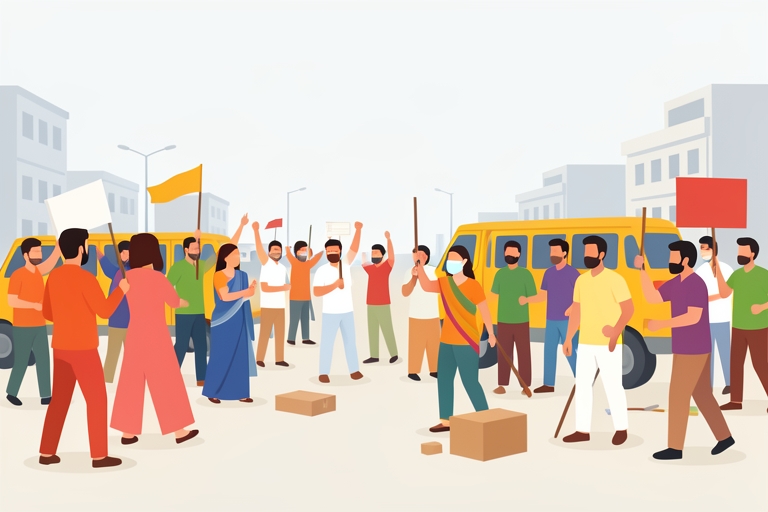
I have no live news feed, so I can't report today's events. Let's learn how Delhi protests work, using Shaheen Bagh.
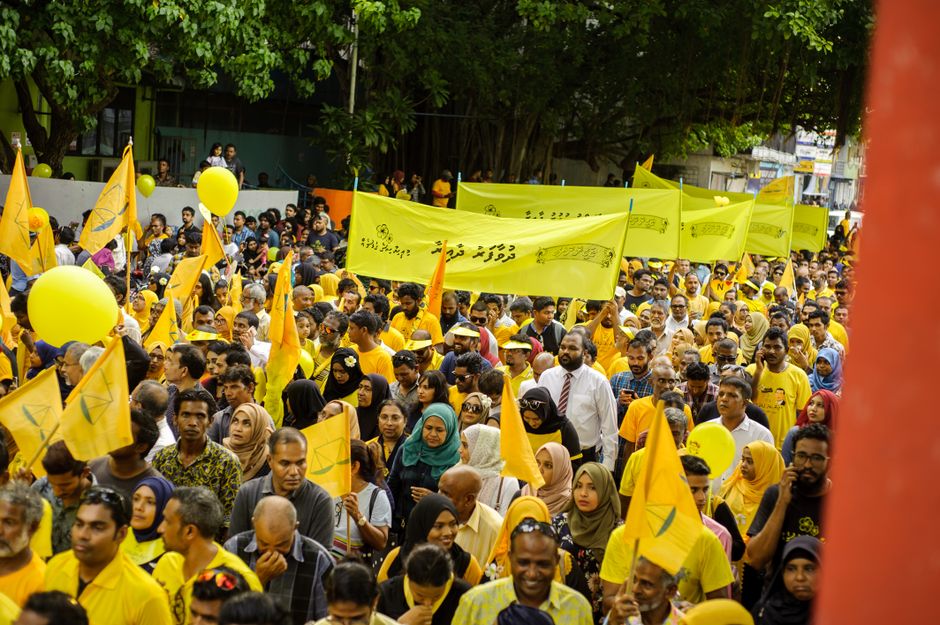
A protest is people gathering publicly to say they disagree with a law or a decision.
In December 2019, India passed the Citizenship Amendment Act, and many people worried about citizenship rights.
- CAA passed: 11 Dec 2019
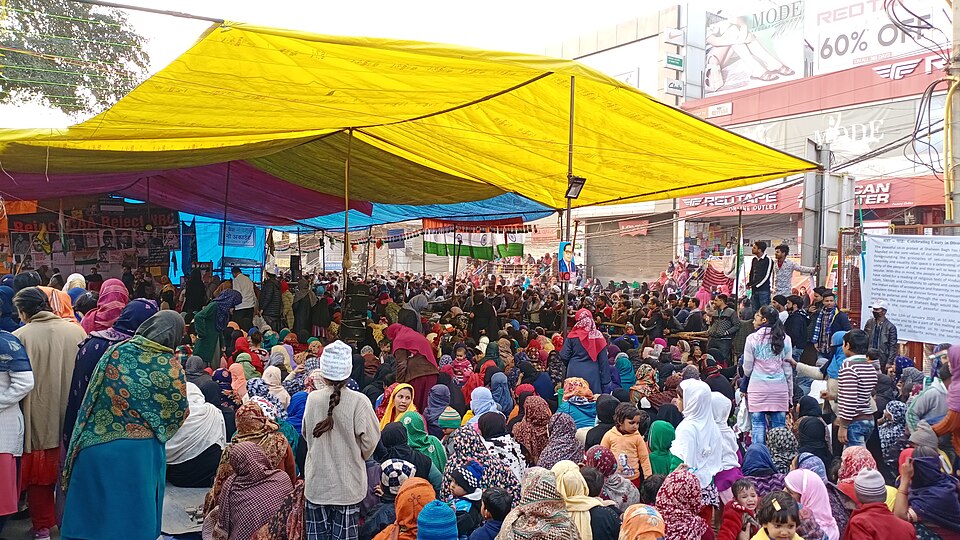
Delhi is a capital city, so protests here often block roads and need police to manage crowds. Here is how the Shaheen Bagh story moved, step by step.
It was led mainly by women, who sat peacefully day and night, using non-violent resistance.


They also raised other worries, like police force, jobs, poverty, and women's safety. Blocked roads affected more than one hundred thousand vehicles a day, adding hours to some journeys.
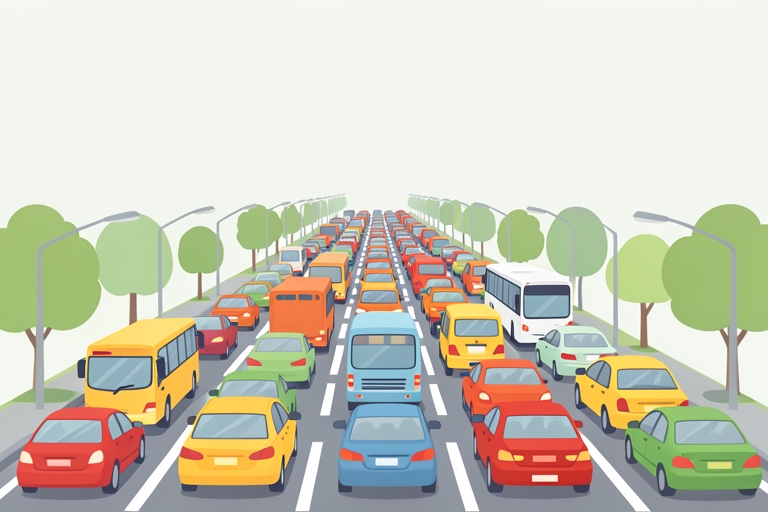
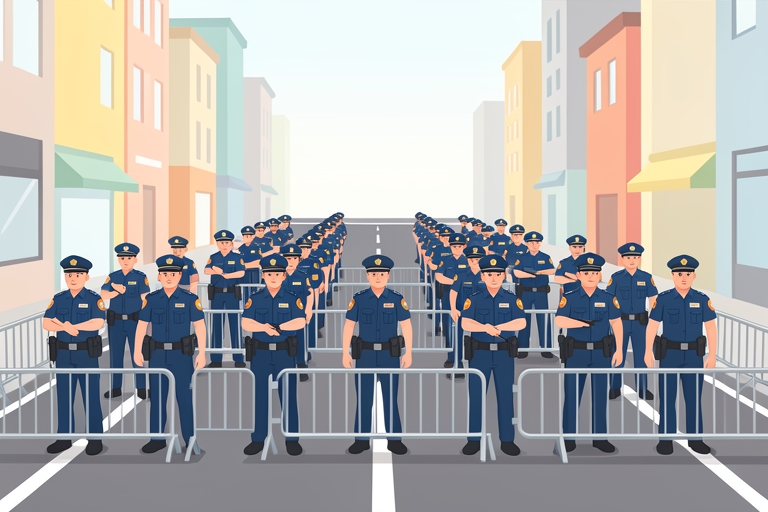
That is why police use barricades, and sometimes detain people, meaning they hold them for a short time.
Detained is not the same as convicted. Detention is temporary, and courts decide guilt, not police.
- Detained is not guilty
Your rights matter too: peaceful protest is allowed, but police can set limits to keep order and safety. For today's news, please check trusted outlets, because facts change fast and rumours spread quickly.
Quick check: what is a detention? To sum up: protests are public voices, police manage roads and safety, and detention is temporary, never proof of guilt.
Quick quiz
Q1. What does detention mean?
Police can hold people briefly; only courts decide guilt.
More in History & Society
 🏛️ History & Society
How the stock market works
 🏛️ History & Society
Meet Henrik Ruben Genz
 🏛️ History & Society
India's growing population
 🏛️ History & Society
India's most crowded states
 🏛️ History & Society
Why Rajasthan has a desert
 🏛️ History & Society