Why Rajasthan has a desert
Transcript
Why does India have a huge sandy desert?
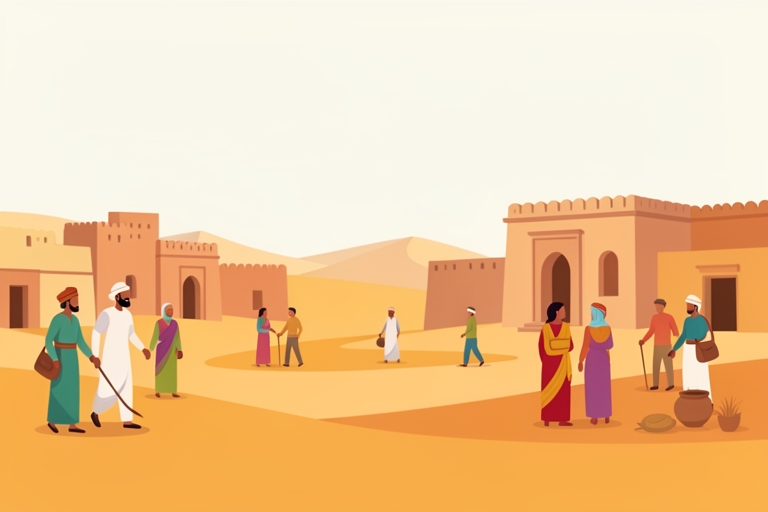
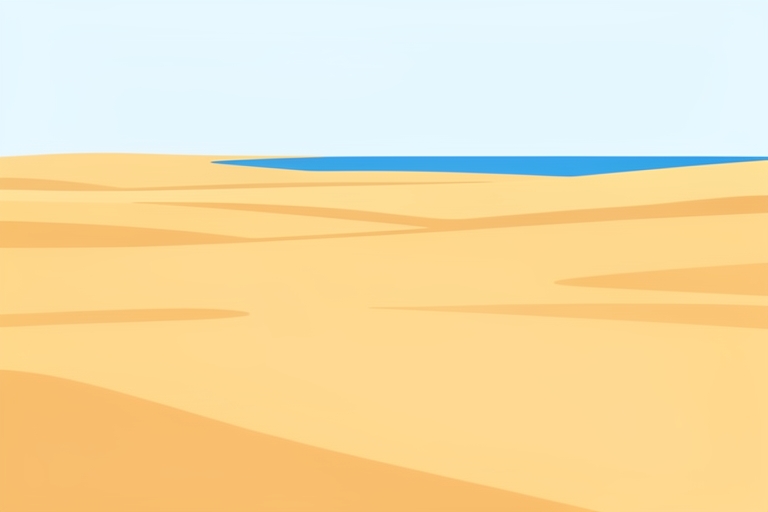
Meet the Thar Desert, also called the Great Indian Desert, spreading across Rajasthan and into Pakistan.
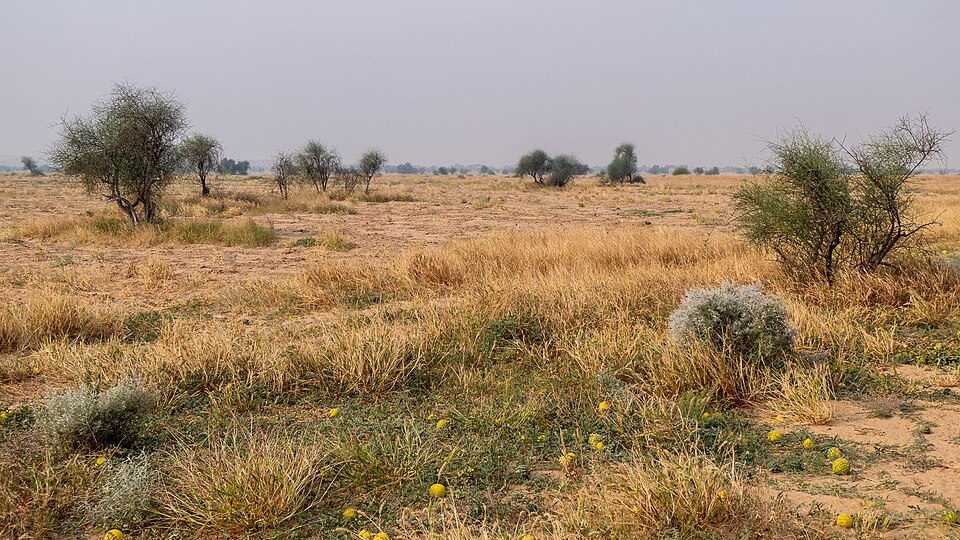
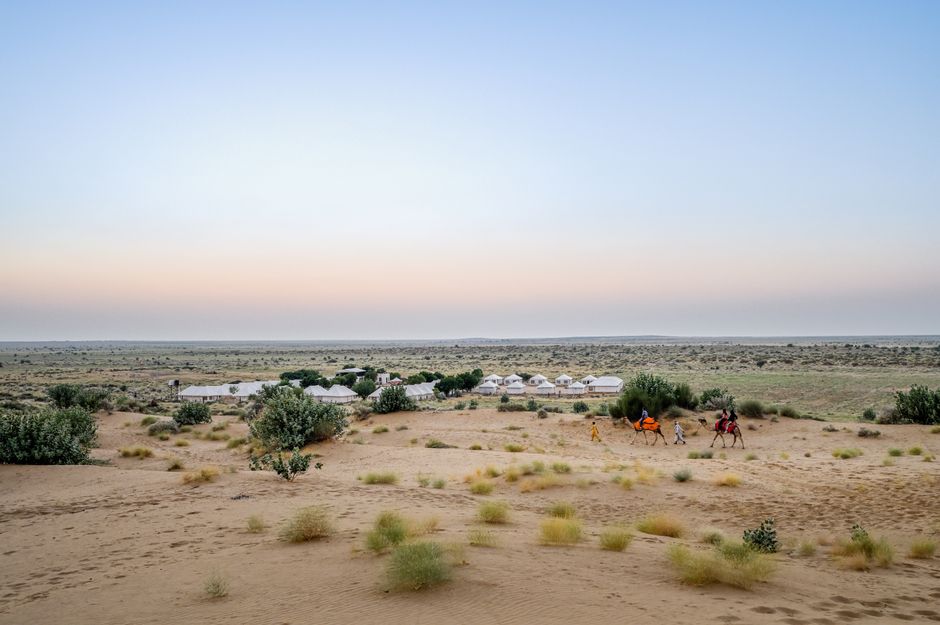
A desert is simply a place that gets very little rain, and this one is big, about two lakh sixty thousand square kilometres.
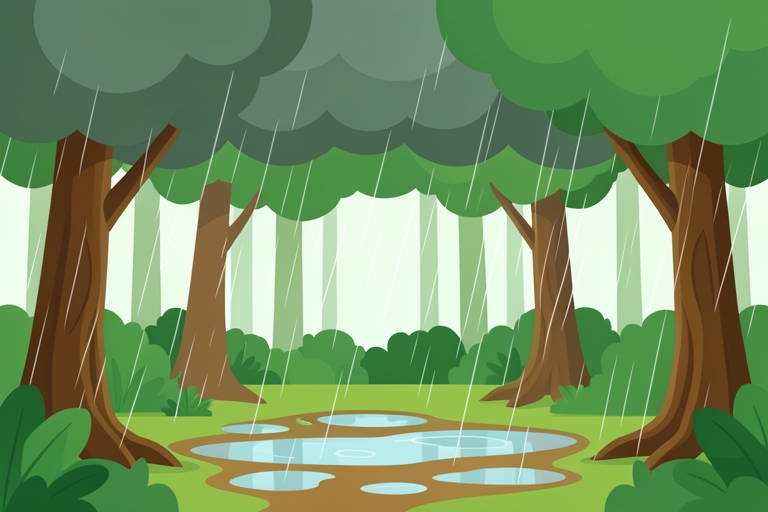
Most of India gets rain from the monsoon, winds that carry water from the sea.
But the monsoon winds from the Arabian Sea blow along the Aravalli Range instead of crashing into it.
- Aravallis run parallel to winds
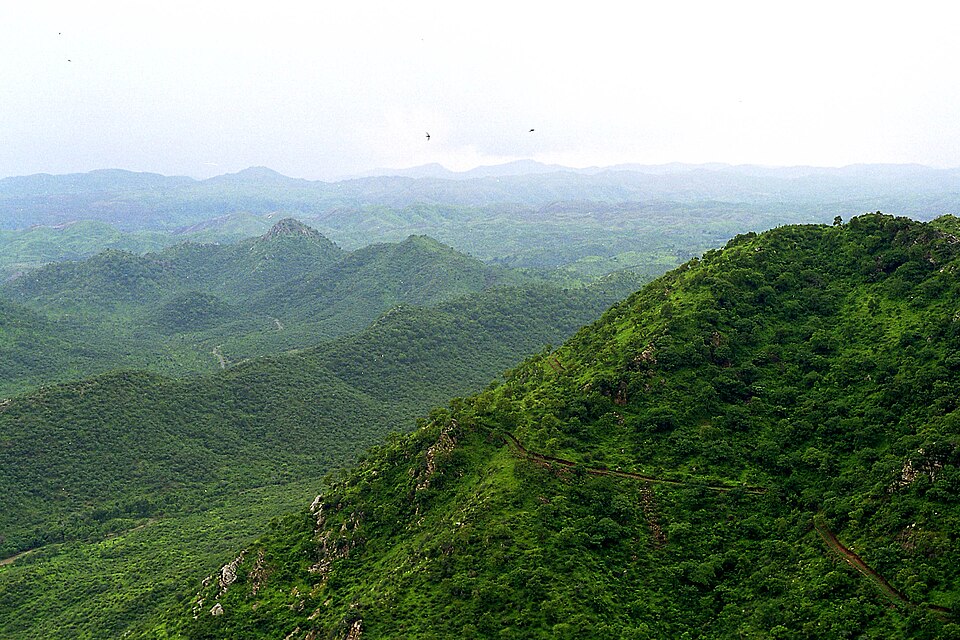
So the moist winds slip past without rising high enough to make clouds, and little rain falls. Another reason: the desert sits far from the sea, so the winds lose their moisture before reaching it.
Long ago, the region was greener, fed by the Ghaggar-Hakra river system.
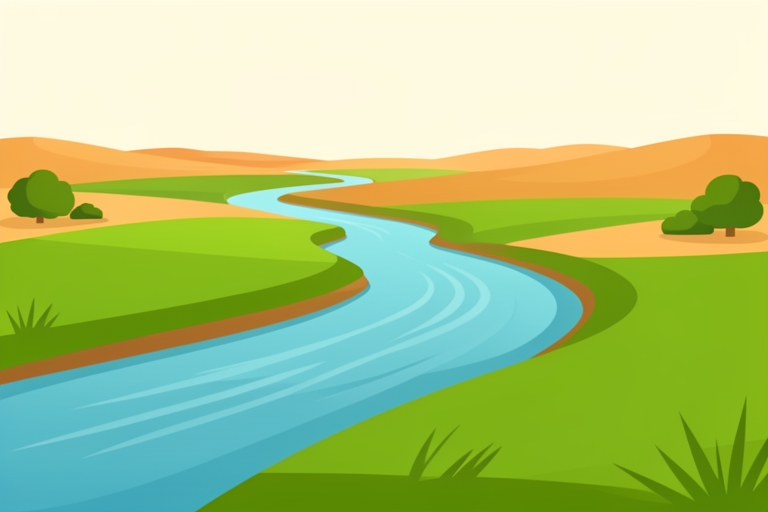
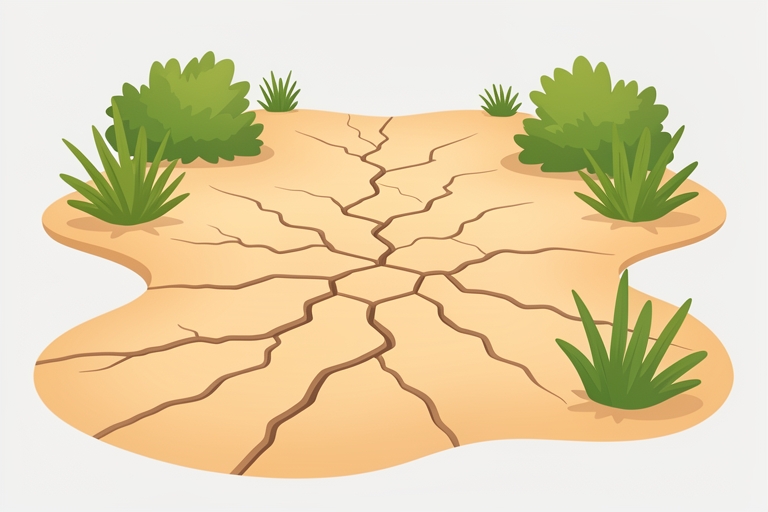
When the Aravallis rose and changed the land, that river system dried up, and the region grew drier.
Ice ages mattered too: cooler air meant weaker monsoons, so dust settled and the land turned to desert.
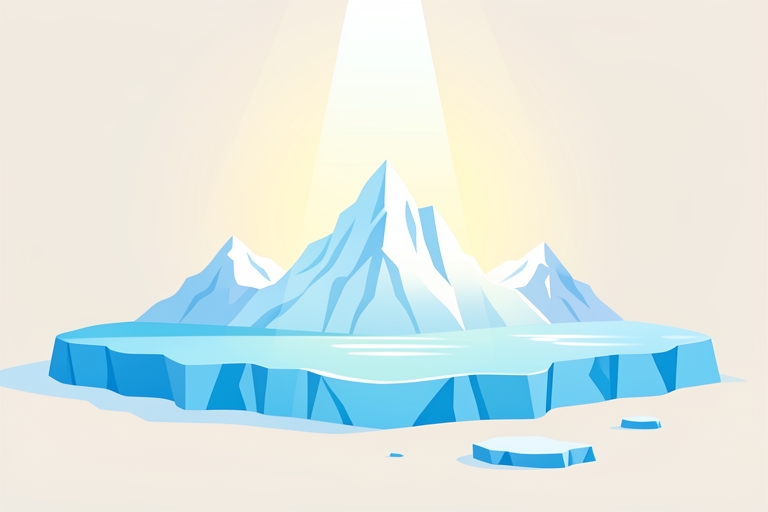
Without strong heating, there was no pull to bring monsoon winds in, so less rain reached the land.
So four things team up: parallel mountains, distance from the sea, a dried river, and weak past monsoons.
Quick check: why do the Aravalli hills fail to bring rain to Thar? Rajasthan has a desert because rain winds pass it by, the sea is far, and its old river dried up.
- Few rain winds + far + no river = desert
Quick quiz
Q1. Why do the Aravallis fail to bring rain to Thar?
The winds run along the range, so they never rise and cool enough to form rain clouds.
More in History & Society
 🏛️ History & Society
How the stock market works
 🏛️ History & Society
Meet Henrik Ruben Genz
 🏛️ History & Society
Delhi Protests and Detentions
 🏛️ History & Society
India's growing population
 🏛️ History & Society
India's most crowded states
 🏛️ History & Society