How Ramen Was Made
Transcript
One bowl of noodles took Japan from wartime markets to every kitchen on Earth.
Ramen is wheat noodles in a rich broth. Its roots trace back to Chinese noodle soups brought to Japan around the late 1800s.
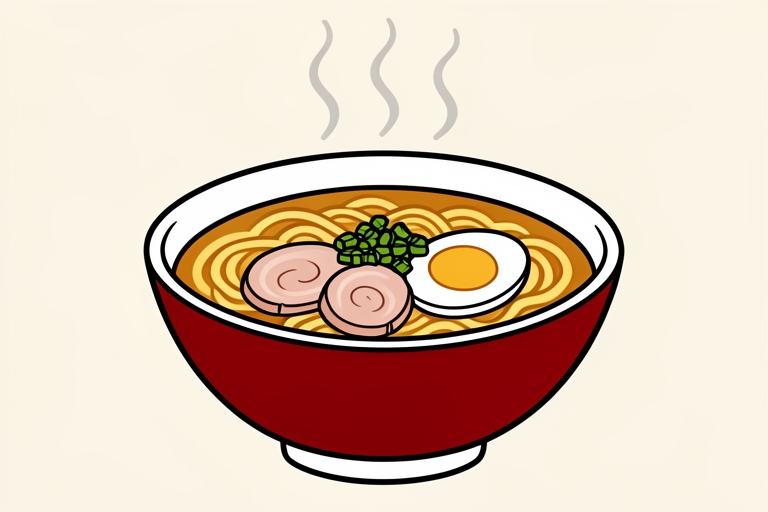
Four components make ramen: noodles, broth, tare, and toppings. Each is engineered separately, then combined in the bowl. Start with the noodles. Wheat flour contains two proteins, glutenin and gliadin, which link into gluten when water is added and the dough is kneaded.
What makes ramen noodles special is kansui, an alkaline solution of sodium carbonate and potassium carbonate. What do you think it does to the dough? Alkaline conditions strengthen the gluten network and turn flavonoid pigments in the flour yellow. That gives ramen its chewy bounce and golden colour.
Misconception: yellow ramen noodles are not made with eggs. The colour and bite come from kansui chemistry, which is why egg-free ramen still looks yellow.
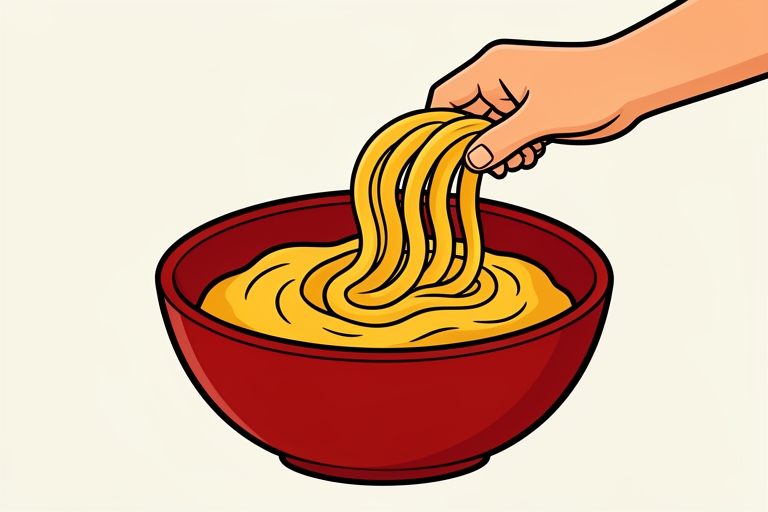
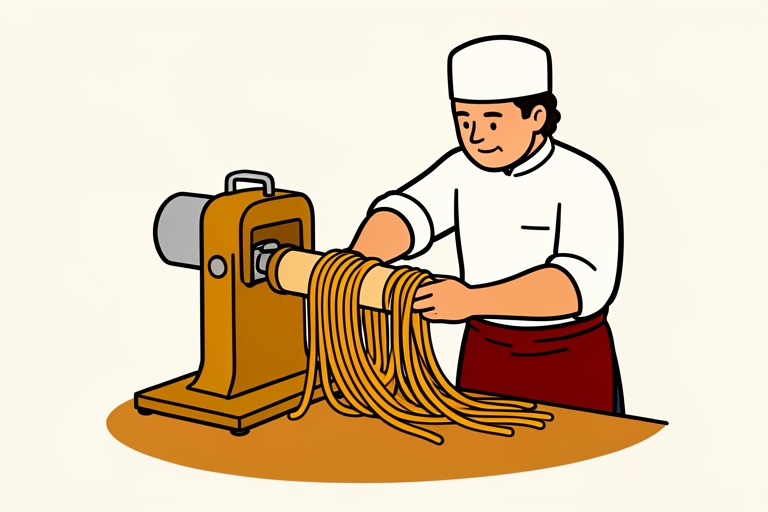
Next, the broth. Simmering bones for hours dissolves collagen into gelatin, which gives body, and releases fat, which carries flavour.
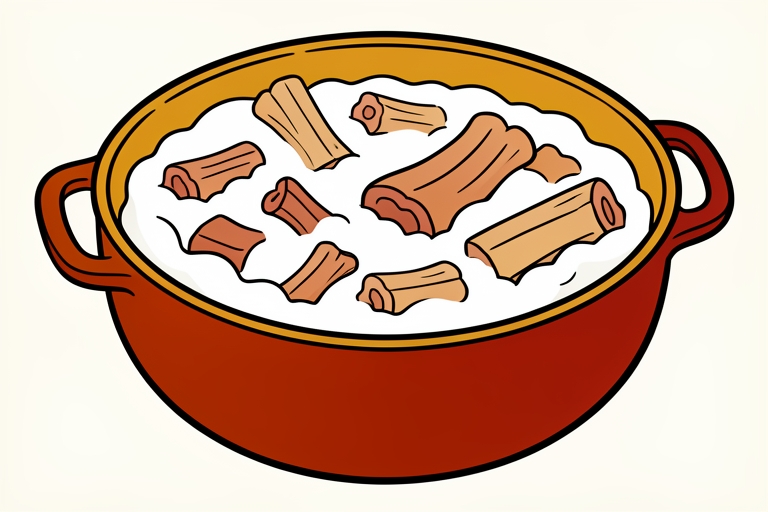
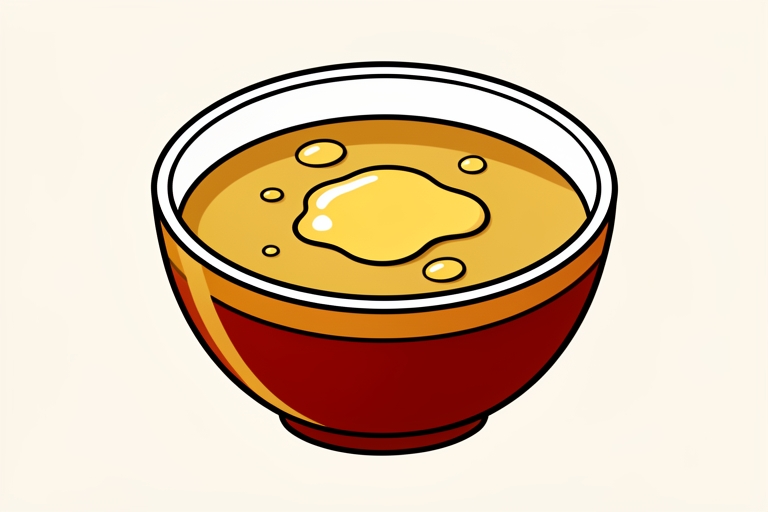
Cloudy tonkotsu broth comes from boiling hard, which emulsifies fat into water. A gentle simmer keeps broth clear. Which one do you expect to taste richer? Hard boiling breaks fat into tiny droplets suspended in gelatin-rich water. That emulsion is why tonkotsu looks milky and feels creamy. Now tare, the concentrated seasoning placed in the bowl first. Broth is mild, so tare supplies salt and umami. Soy sauce, salt and miso are the classic bases.
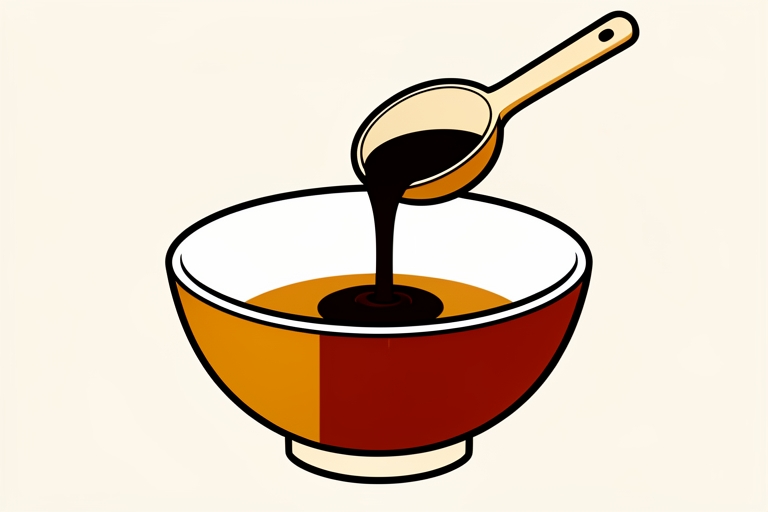
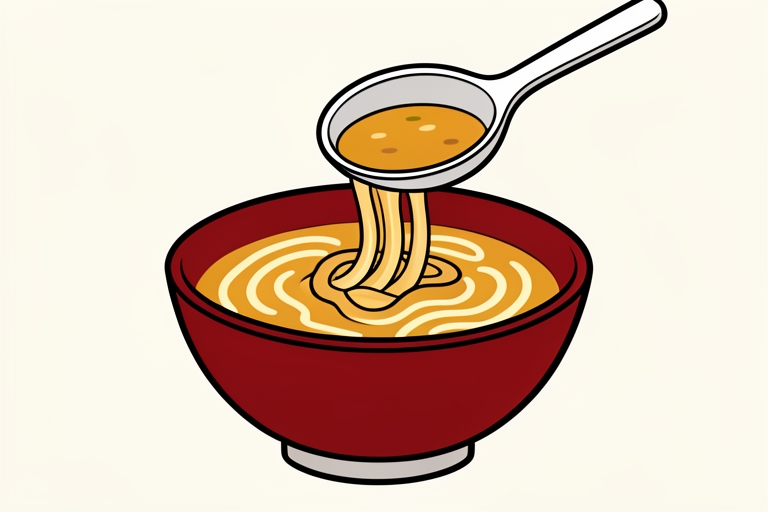
Umami comes from glutamate in kombu and dried fish, plus inosinate in fish and meat. Together they taste far stronger than either alone.
Assembly is fast because noodles overcook quickly. Boil briefly, drain, add to the tare and broth, then top with chashu pork, egg and nori. A big leap came in 1958, when Momofuku Ando invented instant noodles by flash-frying them. This dries the noodles and leaves tiny pores.
Those pores let hot water rush back in later, so the noodles rehydrate in minutes. That link between frying, porosity and rehydration is the real trick.
Quick check on why this works. Ramen is chemistry in a bowl: kansui builds chewy noodles, long simmering extracts body, tare seasons, and umami ties it together.
Quick quiz
Q1. A cook leaves out kansui. What mainly changes in the noodles?
The misconception is that eggs make ramen yellow and chewy; alkaline kansui does it.
More in Languages & Other
 🌍 Languages & Other
Shorts: Design Deep Dive
 🌍 Languages & Other
What's the other?
 🌍 Languages & Other
A Short Stay in Hell
 🌍 Languages & Other
Story: Ram Went to the Zoo
 🌍 Languages & Other
Triple J: Australia ka youth radio
 🌍 Languages & Other