Shorts: Design Deep Dive
Transcript
Why do legs in warm weather end up in shorts?

Shorts are a garment worn over the pelvic area, circling the waist and splitting to cover the upper part of each leg.
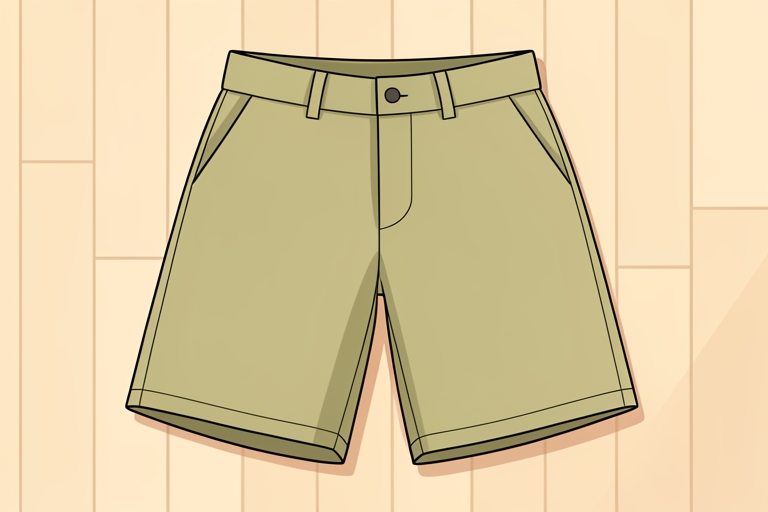
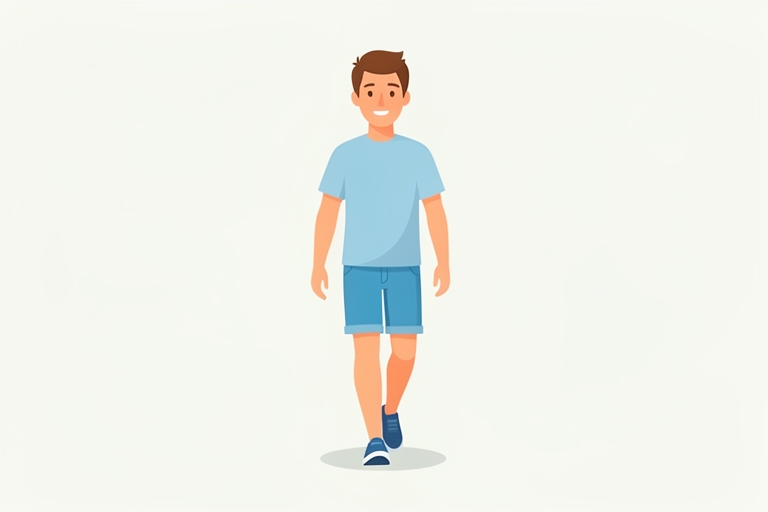
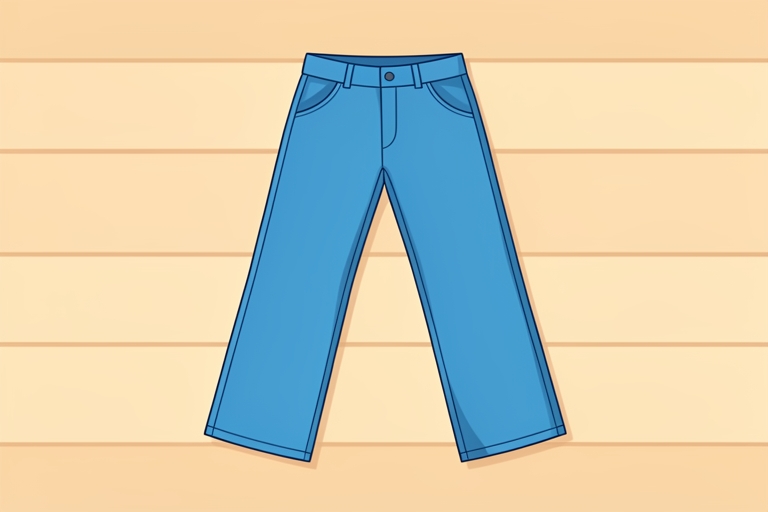
Precisely, shorts are a shortened version of trousers: they cover the legs partly, never the full length, and never the foot.
Here is the real why. The body loses heat by evaporation, convection and radiation, and bare skin helps all three.
Sweat evaporating from exposed legs carries heat away. Moving air, called convection, replaces warm air near the skin with cooler air. Fabric slows this. Clothing traps a still layer of air, which is a poor conductor, so long legs insulate.
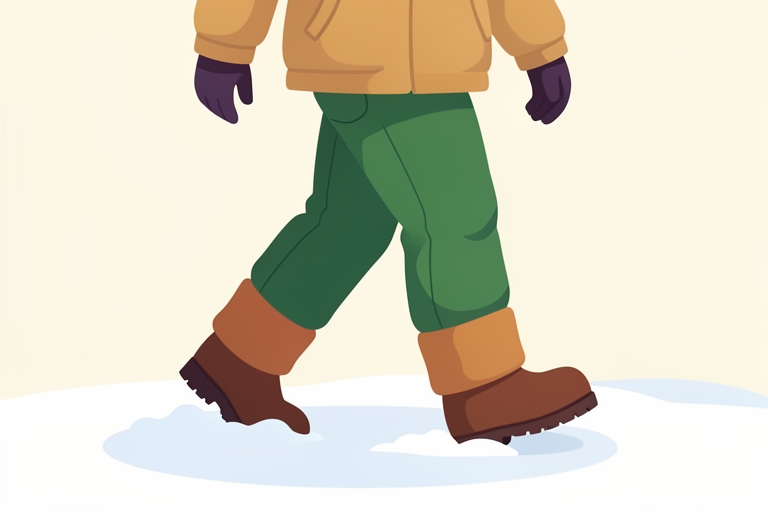
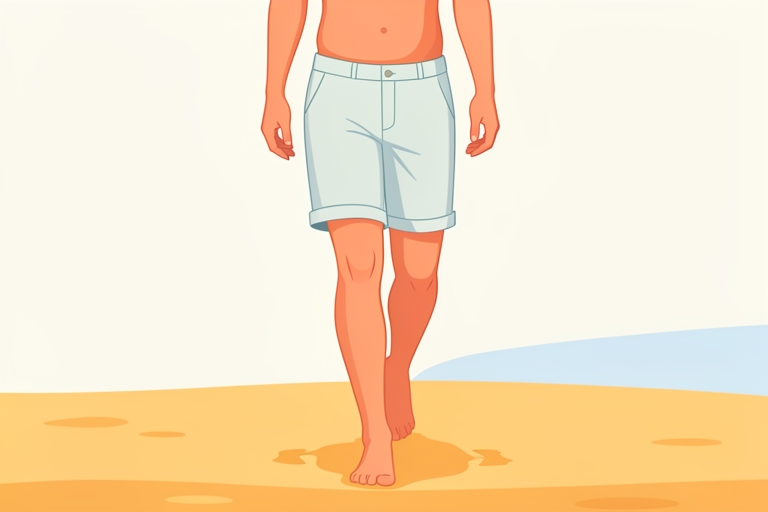
So the design rule is a trade-off: less fabric means more airflow and comfort, but less protection from sun, scrapes and cold. Misconception: shorts are just casual. In fact knee-length short trousers can be formal clothes in some situations.
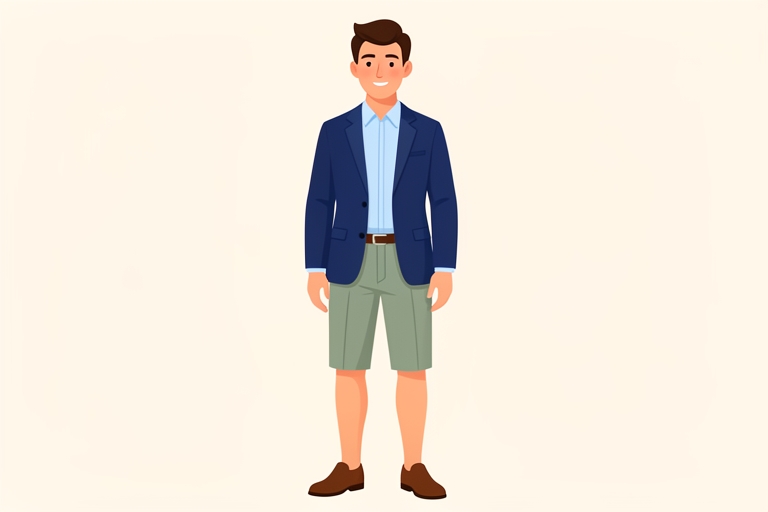
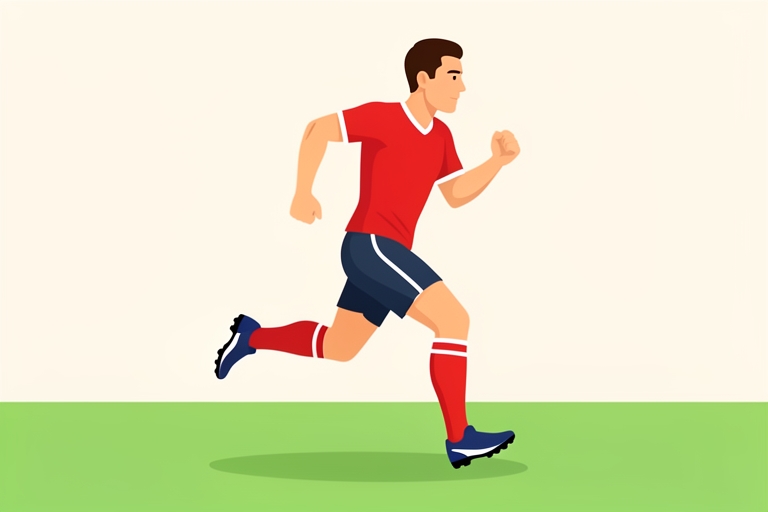
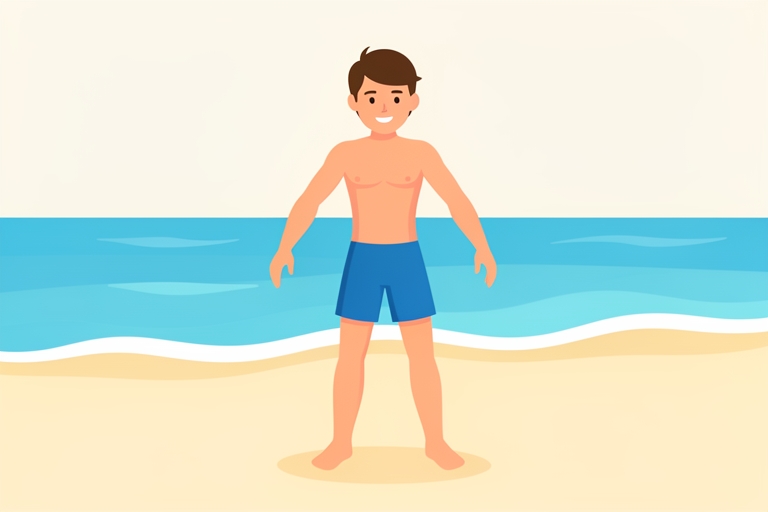
Function shapes form. Athletic shorts are light and loose for free movement, and beachwear dries quickly after swimming. Edge case: culottes. They are a divided skirt, loose-cut like shorts, so the name depends on the split, not the gender. The limit of our definition is clear: the split must separate the legs, and the hem must stop above the full leg length.
- Culottes, a divided skirt
This links to a bigger idea: clothing is engineered thermal regulation, balancing heat loss against protection for each climate and activity.
Test your thinking with a tricky case about sun, sweat and fabric. In short, shorts are shortened trousers that trade leg protection for airflow, comfort and cooling, shaped by climate and purpose.
- Shorts = airflow over protection
Quick quiz
Q1. A hiker wears shorts in a hot desert yet gets sunburned legs. What does this show?
Misconception: cooling and protection go together; shorts trade protection for airflow.