How sunlight works
Transcript
The Sun's light left it minutes ago, but its energy took thousands of years.
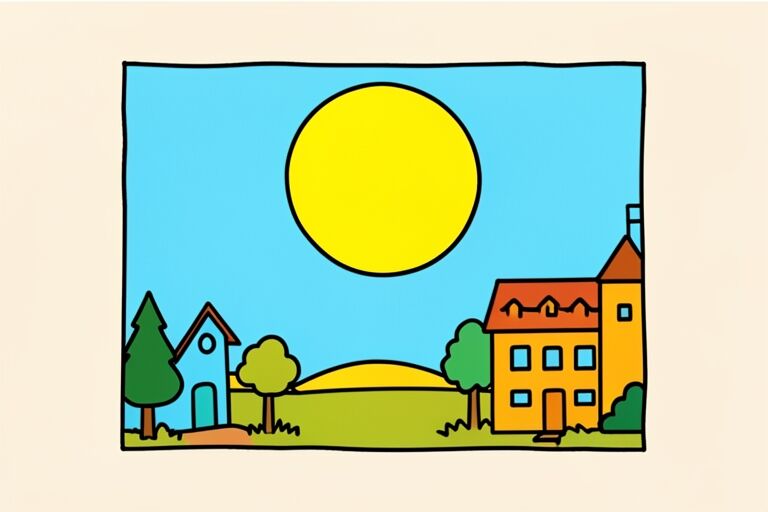
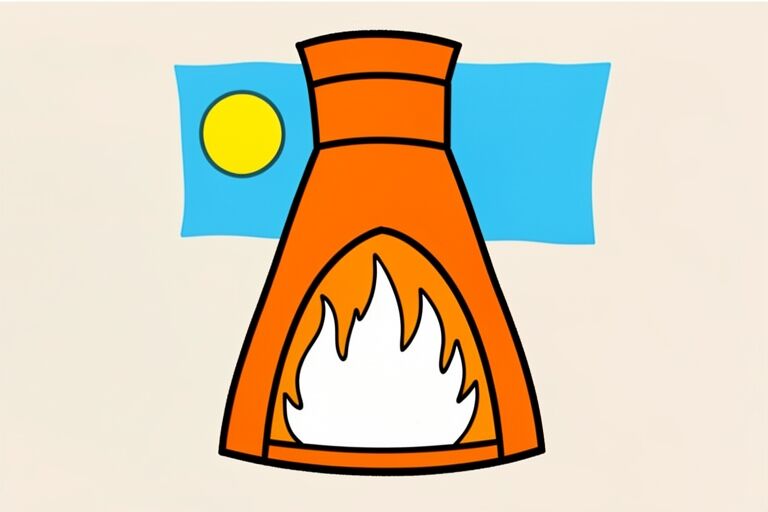
Deep inside the Sun, hydrogen squeezes together and makes huge heat and light, like a giant glowing furnace.

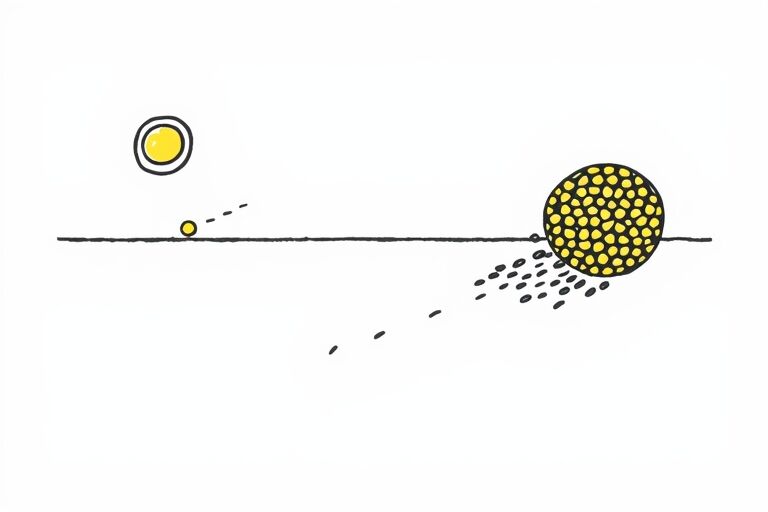
Light then crosses empty space and reaches Earth in about eight minutes.
- Sun to Earth: 8.3 minutes
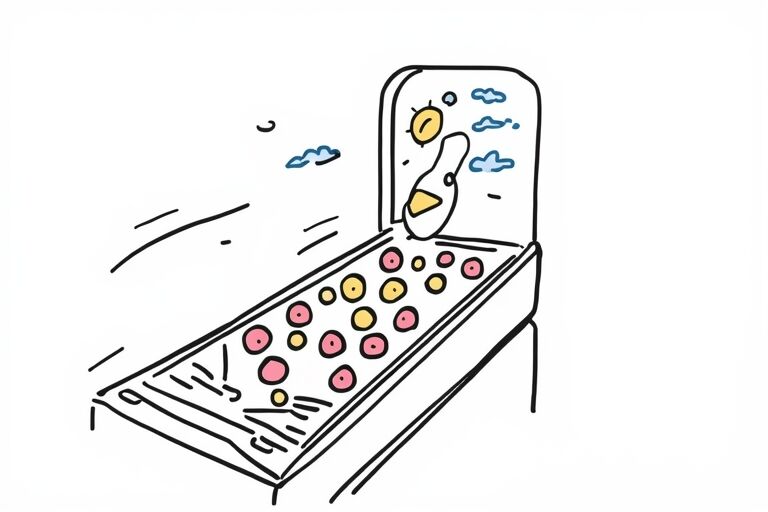
Inside the Sun, light bumps around like a pinball, so one packet of energy needs thousands of years to escape.
Sunlight is a mix of three kinds: ultraviolet, visible light, and infrared.
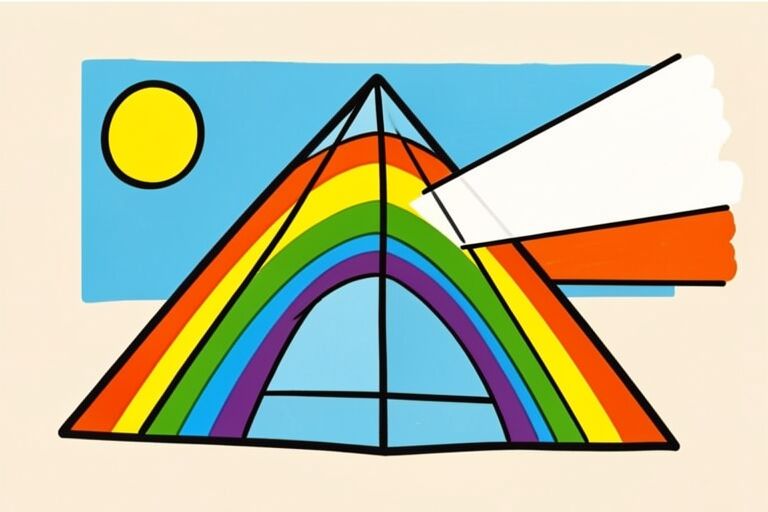
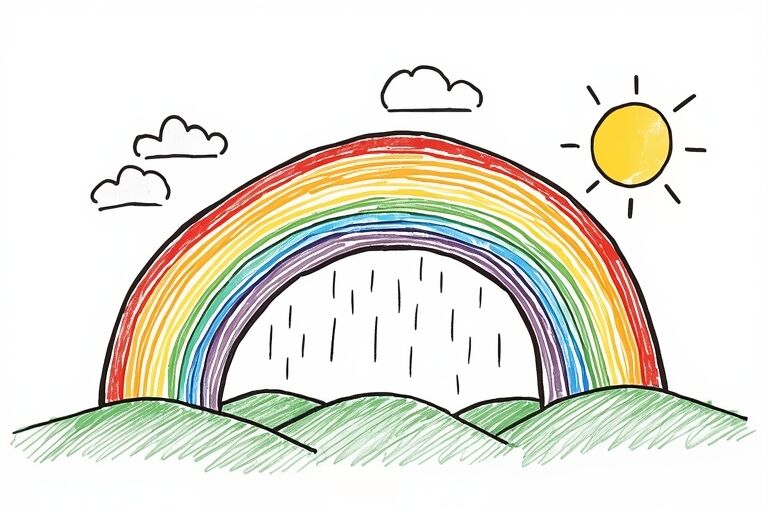
Visible light is what we see, and white sunlight secretly hides every colour of the rainbow.
Infrared is the warmth you feel on your skin, and ultraviolet is the part that can burn you.
- UV can cause sunburn
When sunlight enters our air, tiny gas particles scatter the light all around the sky.

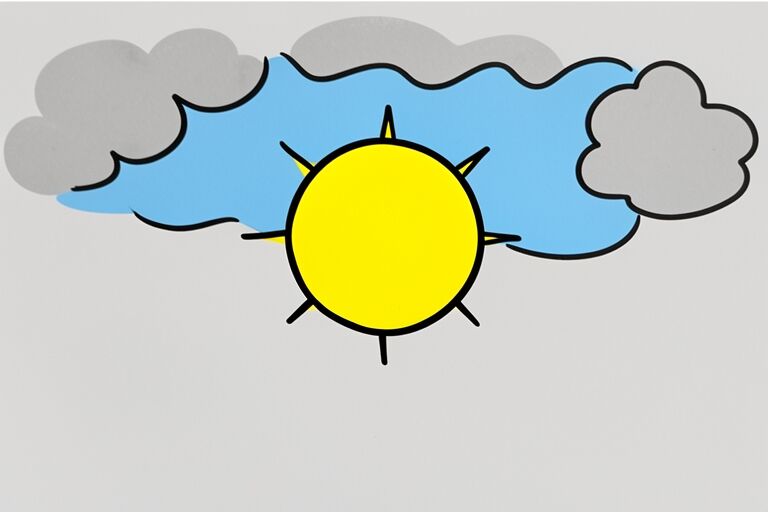
Clouds block or spread the light, so a cloudy day feels softer and dimmer.

Plants catch this light and turn it into food, so sunlight powers almost all life.
Sunlight also warms the land and sea, which drives wind, weather and the water cycle.
Across a whole day, Earth gets about one hundred sixty-four to three hundred forty watts of sunlight on each square metre. Quick check: how long does sunlight take to travel from the Sun to Earth? So sunlight is energy from the Sun, mixing warm, bright and burning light, that feeds plants and drives our weather.
Quick quiz
Q1. How long does sunlight take to reach Earth?
Light crosses space from the Sun to Earth in about 8.3 minutes.