How the Taj Mahal was built

Transcript
One grieving emperor, twenty thousand workers, and a tomb that took two decades.
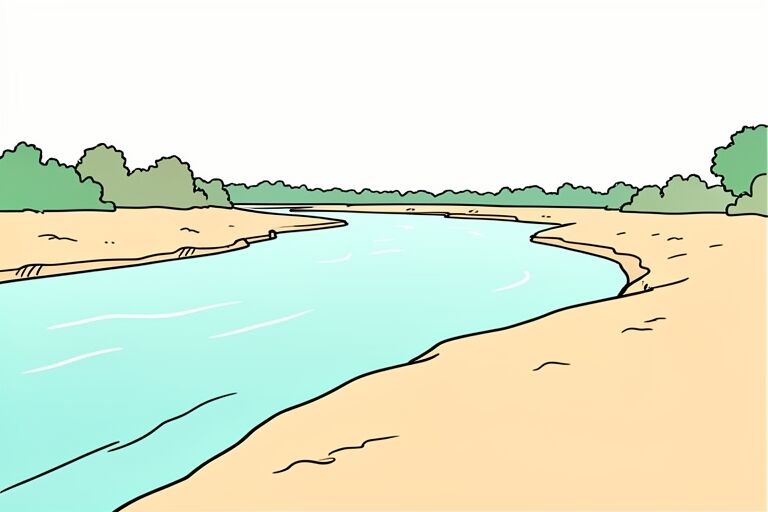
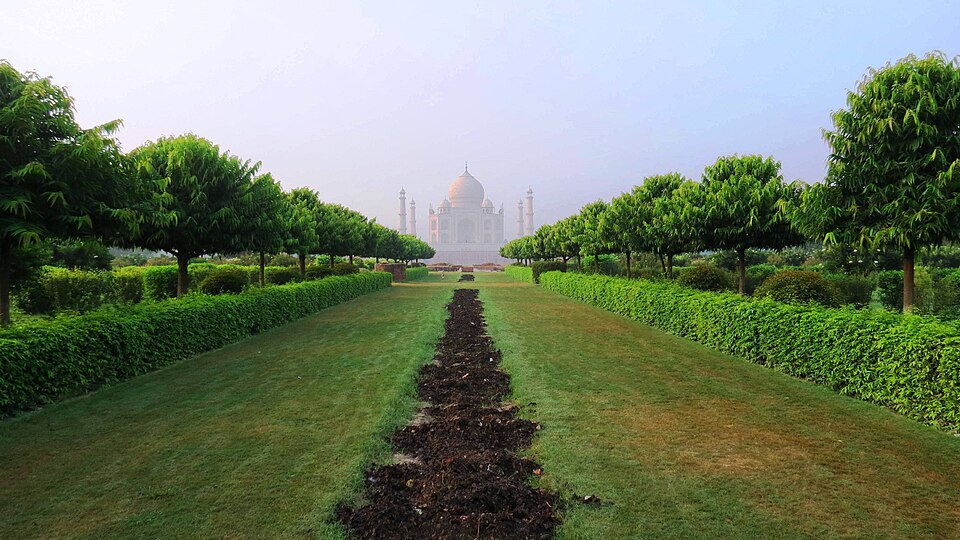
In 1631 Mumtaz Mahal, the wife of Mughal emperor Shah Jahan, died. He ordered a mausoleum for her at Agra, beside the Yamuna river.
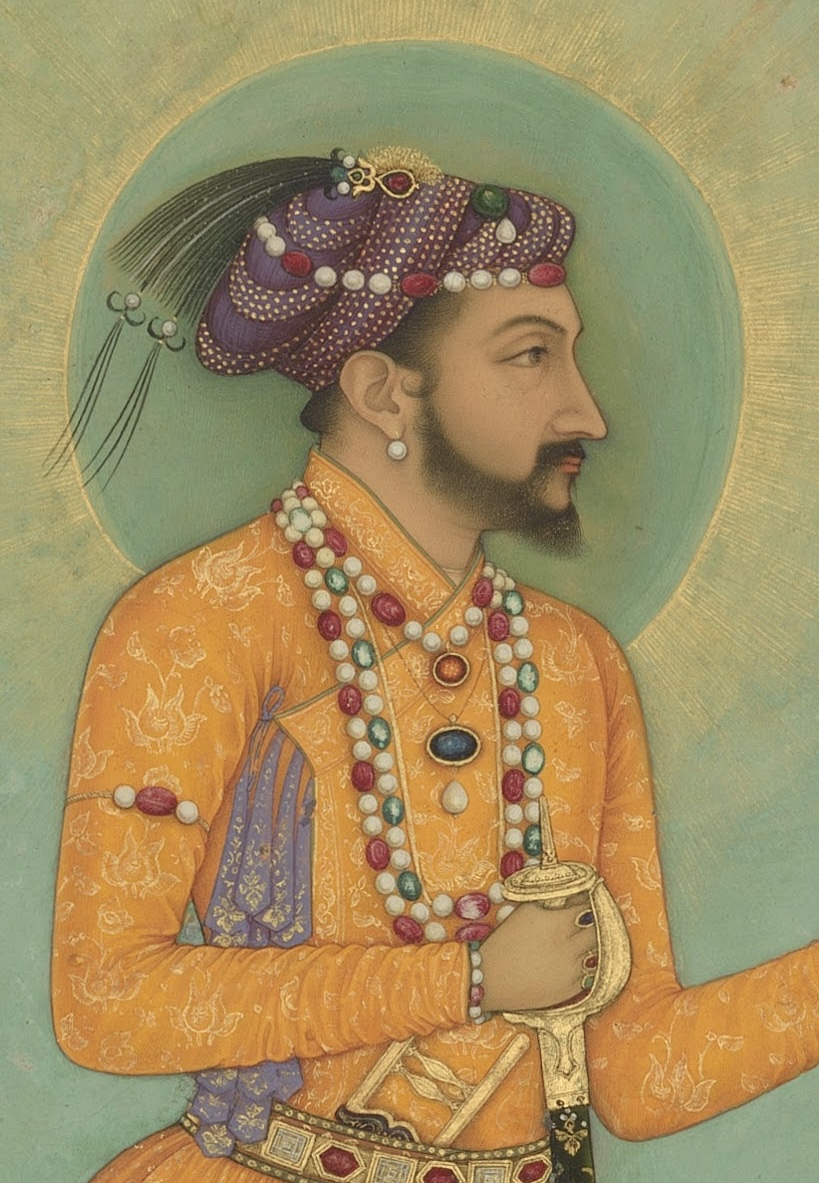
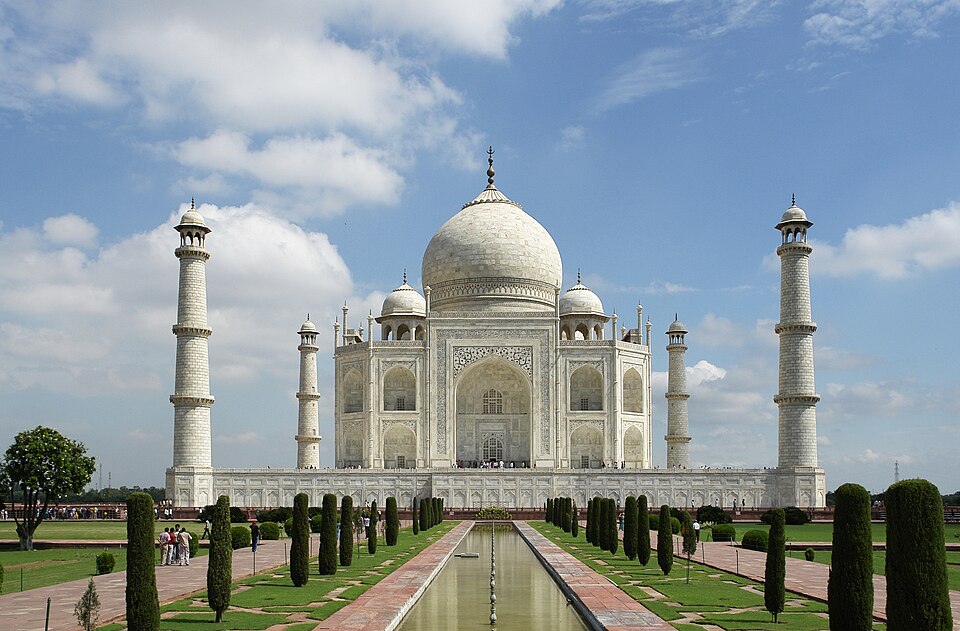
Here is the chain of the whole project, from grief to finished monument, in the order the work happened.
Step one was the ground. The site sits beside a river, so the soil is soft and wet. Building directly on it would crack the marble.
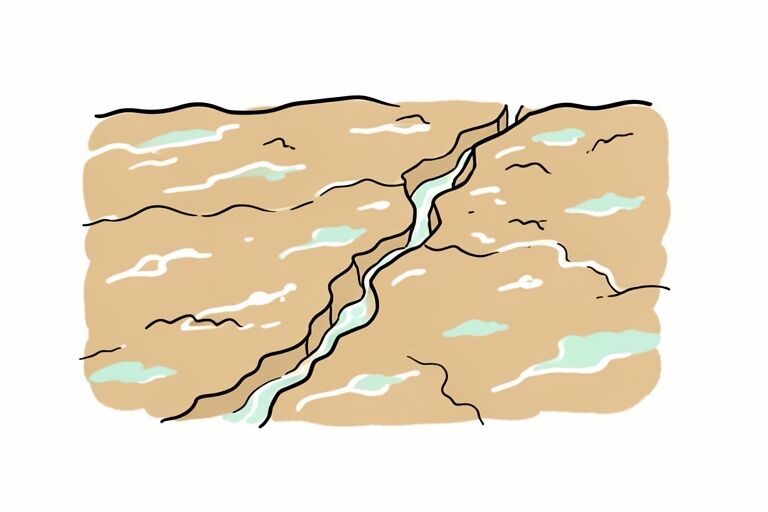
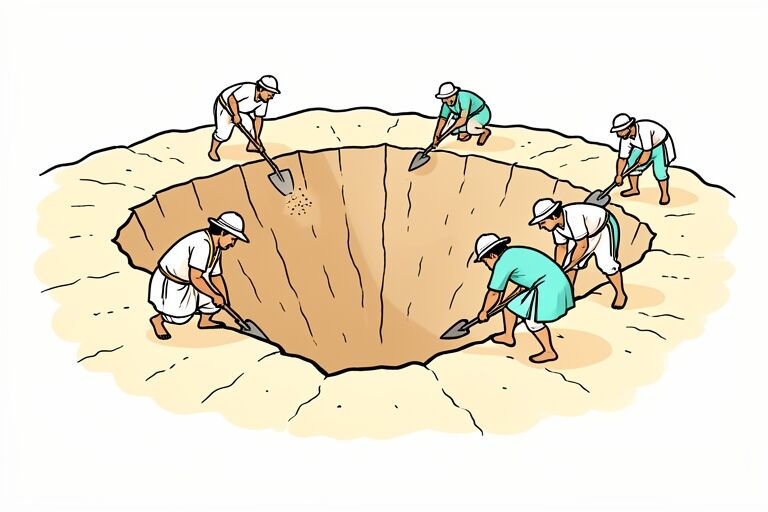
Builders dug deep foundation wells and filled them with rubble and masonry. These wells acted like buried columns, spreading the load across the soil. Deep wells solve a real physics problem. Weight spread over more area presses less on soft soil, so the building settles evenly instead of tilting.
- Bigger area, smaller pressure
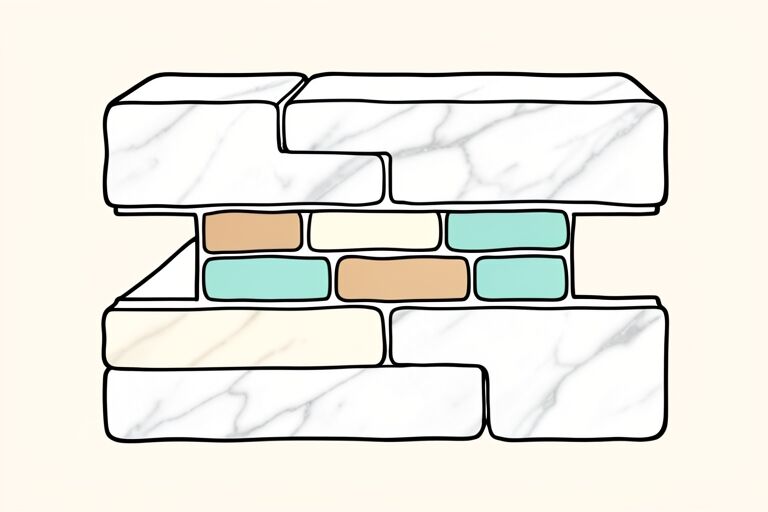
\text{pressure} = \frac{\text{force}}{\text{area}}Next, the raised platform called the plinth. Brick and rubble rose first, then white marble covered it, creating a level stage for the main tomb. Brick was cheap, so it formed the hidden core of the walls. Costly marble was used as a thin skin, only where the eye would see it.
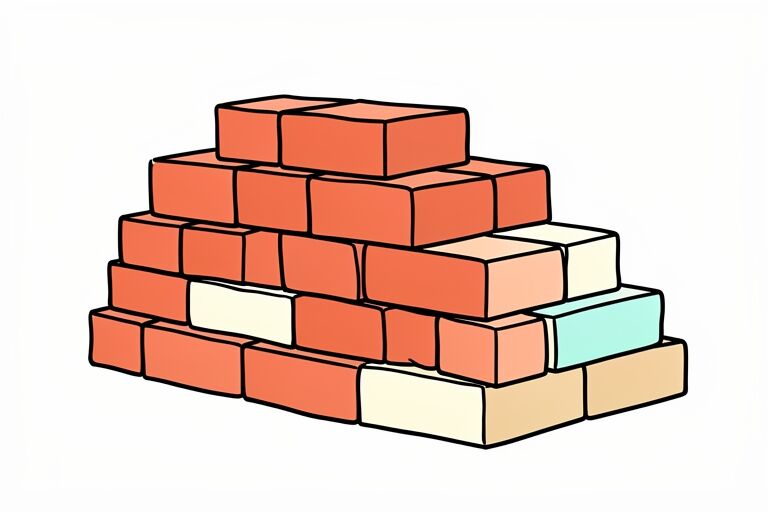
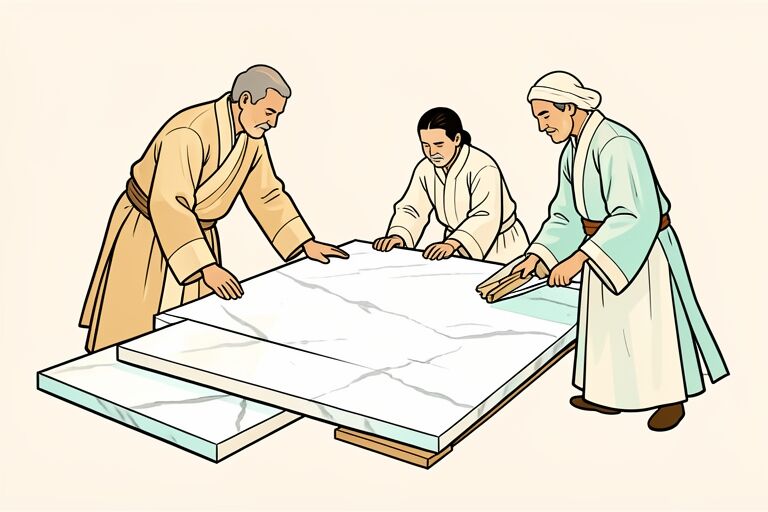
Moving all that stone was brutal. Marble came from Makrana in Rajasthan, hundreds of kilometres away, hauled on carts pulled by oxen. To lift stone high, builders did not use cranes. They built huge ramps of earth and brick and dragged blocks up them, a method that avoids heavy lifting gear. Skilled people matter as much as materials. Masons, calligraphers, inlay artists and stone carvers came from across the empire and beyond.
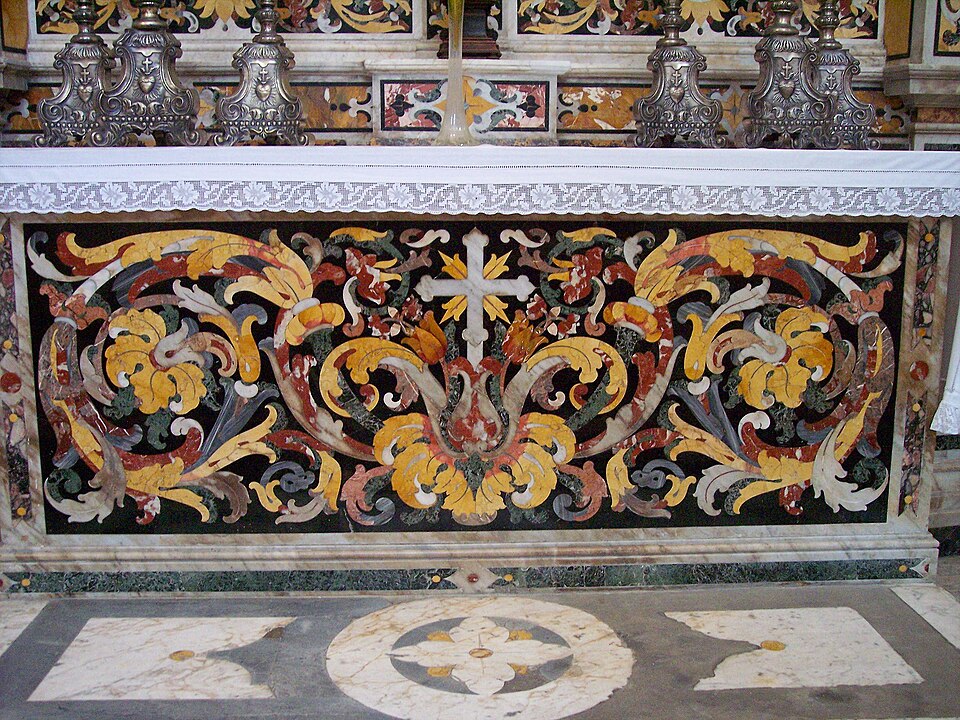
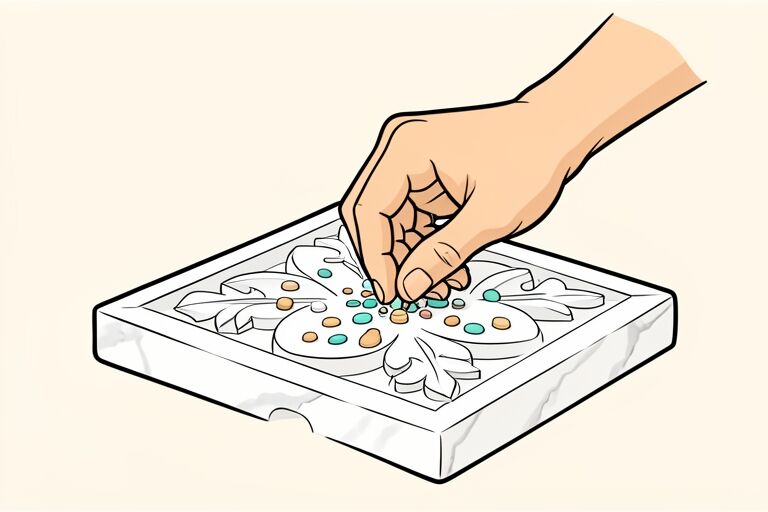
The famous colourful decoration is pietra dura. Craftsmen cut tiny gemstone pieces, fitted them into carved marble, and polished everything flat.
A common myth says the hands of the workers were cut off to stop copies. Historians find no solid evidence for this, so treat it as legend.
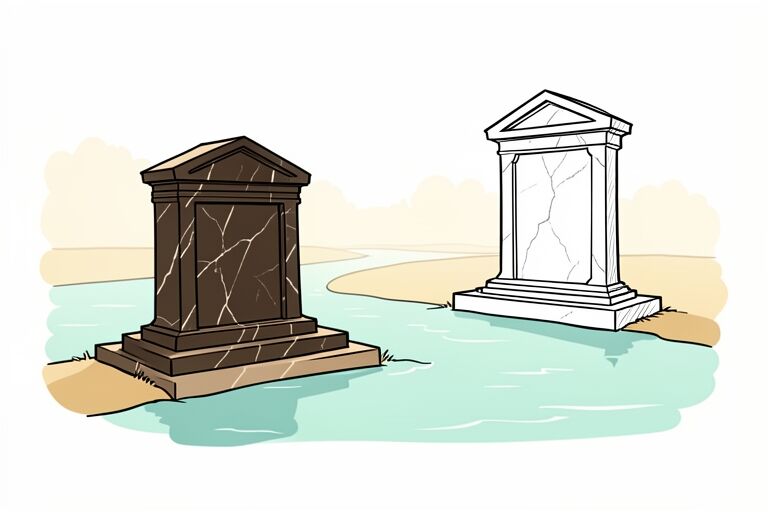
Another legend, the Black Taj, claims Shah Jahan planned a black marble twin across the river. Many modern archaeologists believe that story is a myth.
The big idea: great monuments are engineering problems solved with logistics, soft-soil foundations, thin costly facing, and organised skilled labour working over many years.
Check your understanding with a tricky one about why the builders chose such deep, filled foundations. In short, the Taj Mahal rose through deep foundations, distant marble, earth ramps and thousands of skilled hands, over roughly two decades.
Quick quiz
Q1. Why were deep masonry-filled wells used for the foundation beside the river?
Wells spread weight across soft ground; the myth is that foundations are only for height or decoration.
More in History & Society
 🏛️ History & Society
What caused World War One?
 🏛️ History & Society
BlackRock: Duniya ka sabse bada Asset Manager
 🏛️ History & Society
How the stock market works
 🏛️ History & Society
Meet Henrik Ruben Genz
 🏛️ History & Society
Delhi Protests and Detentions
 🏛️ History & Society