What caused World War One?
Transcript
One shot in Sarajevo, and within five weeks Europe was at war.
The shot was only the spark. Beneath it lay decades of rivalry, fear and rigid planning.

Historians group the causes as militarism, alliances, imperialism and nationalism. Each one raised the odds that a local crisis would spread.
First, the balance of power. The rise of the German Empire disturbed the long-standing order that had kept Europe steady.

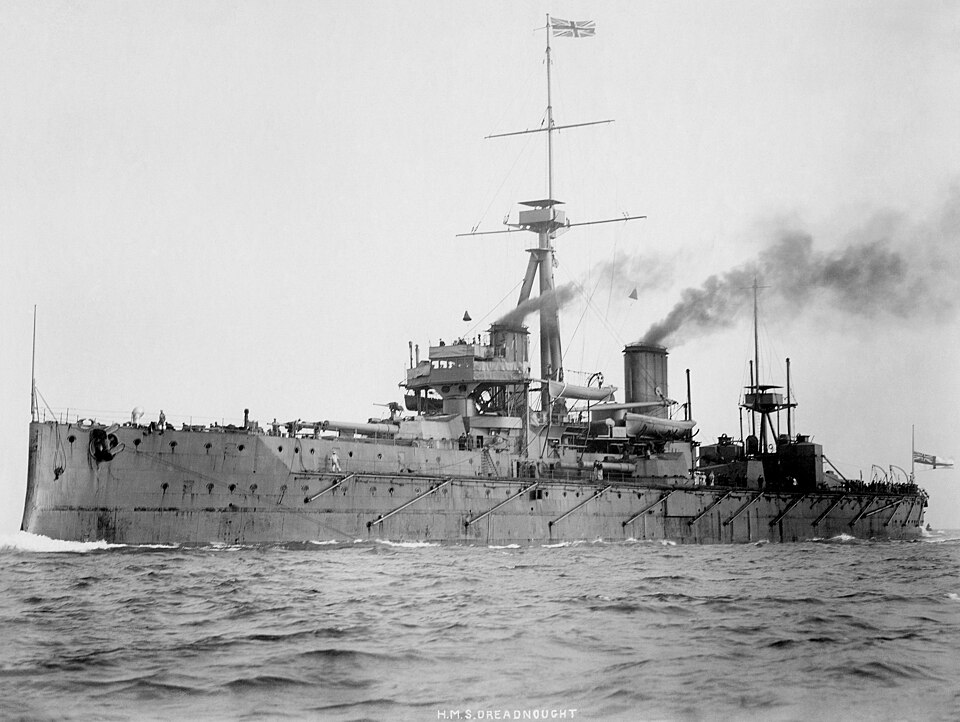
Rivals responded with an arms race, especially in battleships. A faster fleet in one country forced a response from its rivals.
- Arms race = spiral of fear
Second, alliances. Europe split into two blocs. An attack on one member could drag in all its partners.
Third, imperialism. Great powers competed for colonies and markets abroad, which fed suspicion and hostility at home.
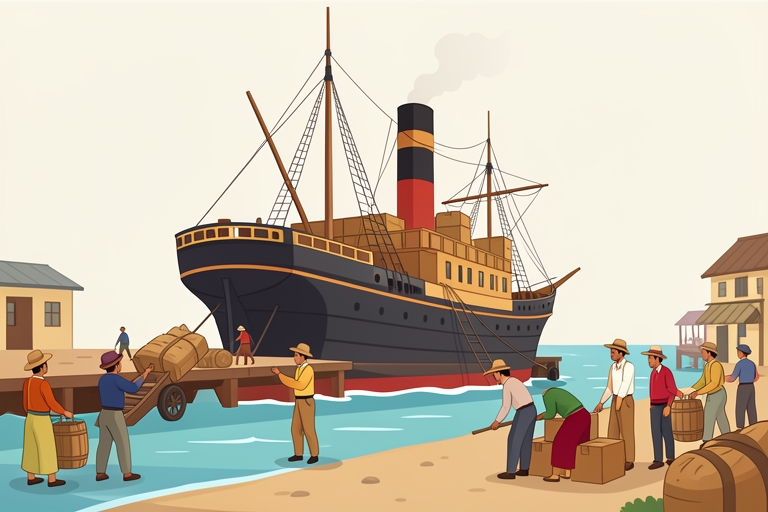
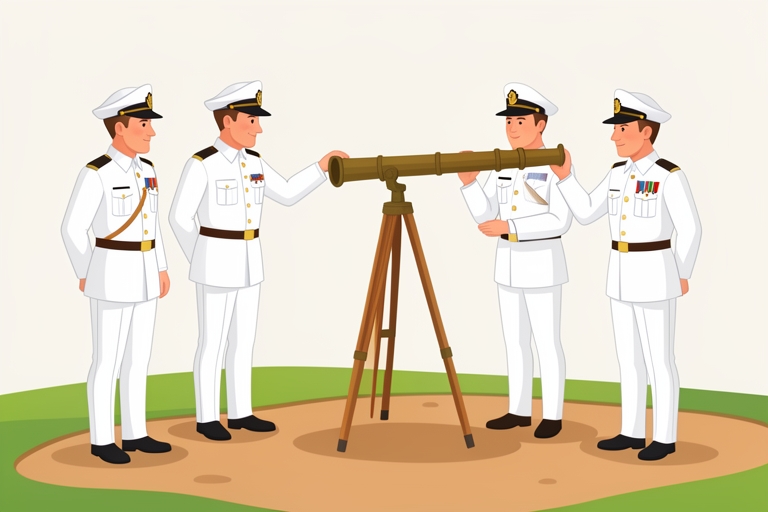
Fourth, nationalism in the Balkans. Slavic peoples under Austria-Hungary wanted freedom, and Serbia backed that dream.

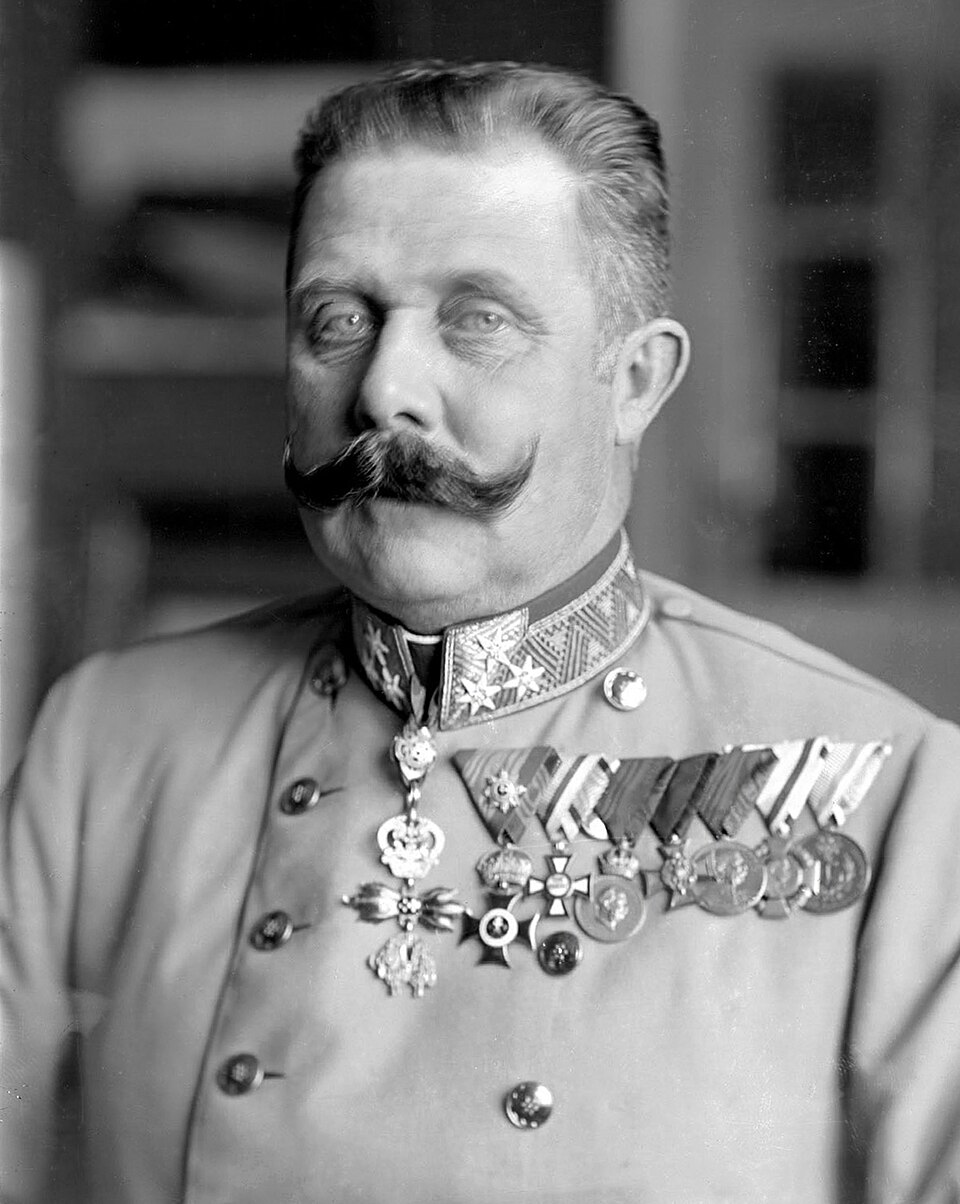
On 28 June 1914, Princip, a Bosnian Serb, assassinated Franz Ferdinand, heir to the Austro-Hungarian throne, in Sarajevo.
- 28 June 1914: Sarajevo
Now watch the chain reaction. Each country's move was defensive in its own eyes, yet together they made escalation almost automatic.
Germany planned to knock out France fast, so it invaded neutral Belgium. That violation brought the United Kingdom into the war.
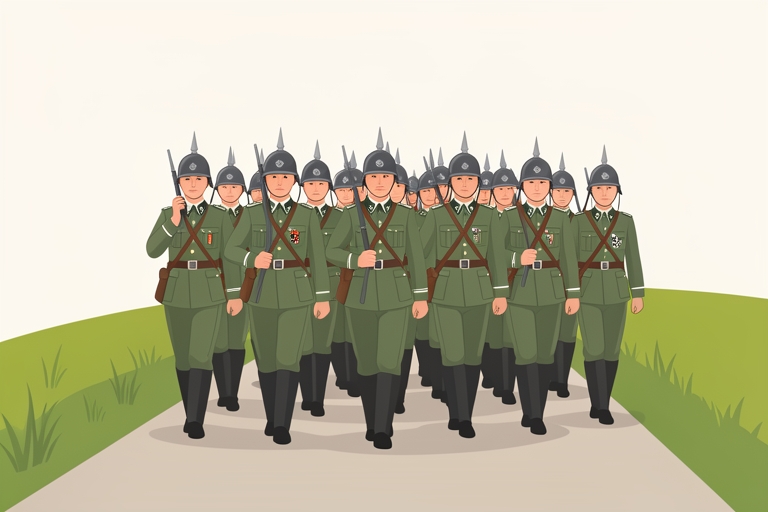
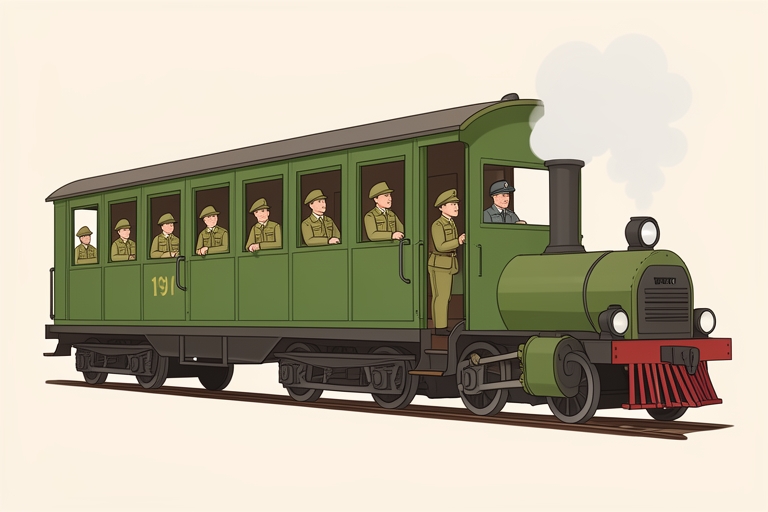
The key mechanism is mobilisation. Rail timetables made delay risky, so once one army moved, others felt forced to follow.
A common misconception says the assassination caused the war. It was the trigger. The structures above decided how far it spread.
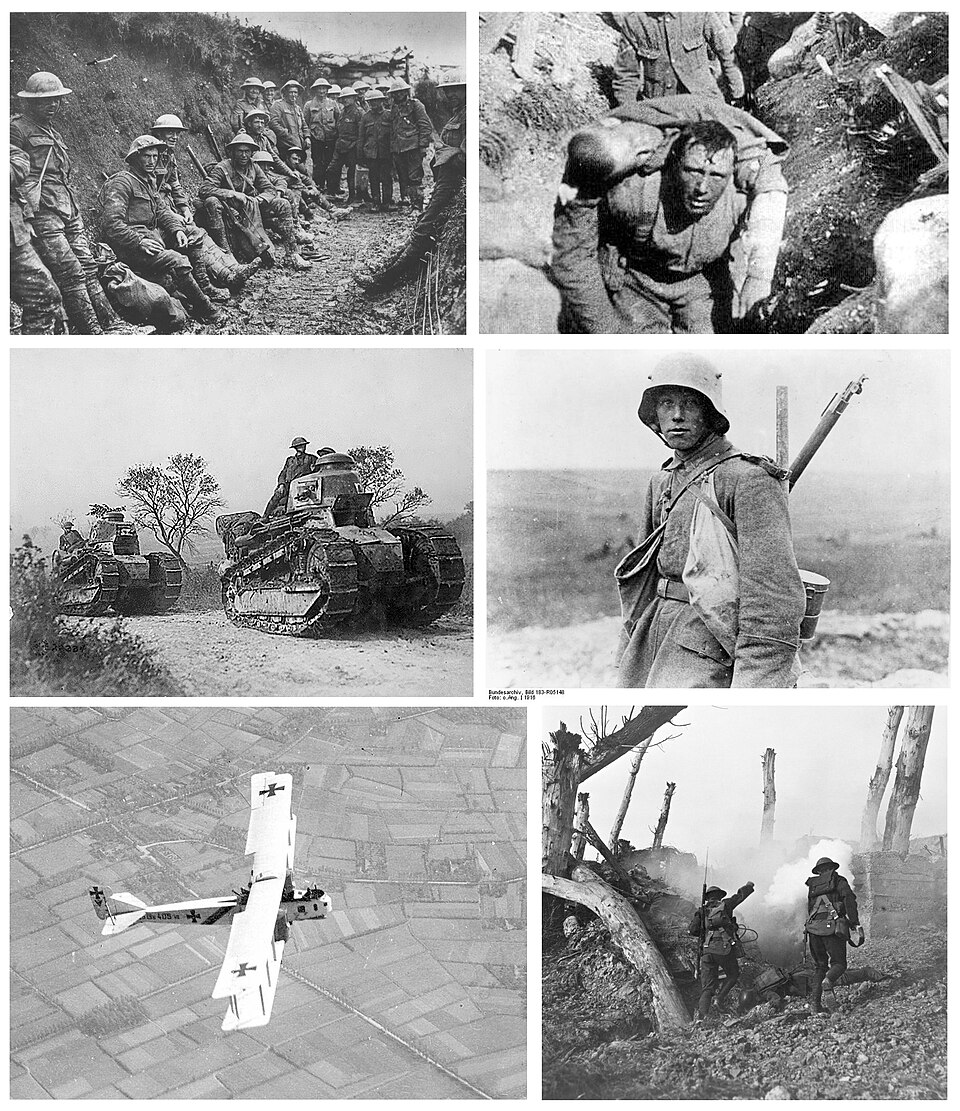
Germany's quick-victory plan stalled in September 1914, and the Western Front hardened into trenches. Fifteen to twenty-two million died overall.
Think it through. If Germany had not invaded Belgium, what would most likely have been different? In short: an assassination lit the spark, but alliances, arms races, rivalries and rigid war plans made a wider war nearly unstoppable.
- Spark + system = world war
Quick quiz
Q1. If Germany had avoided invading Belgium, what is most plausible?
Believing the assassination alone caused the war is the misconception; Belgium gave Britain a clear reason to join.
More in History & Society
 🏛️ History & Society
How the Taj Mahal was built
 🏛️ History & Society
BlackRock: Duniya ka sabse bada Asset Manager
 🏛️ History & Society
How the stock market works
 🏛️ History & Society
Meet Henrik Ruben Genz
 🏛️ History & Society
Delhi Protests and Detentions
 🏛️ History & Society