What caused World War 1?
Transcript
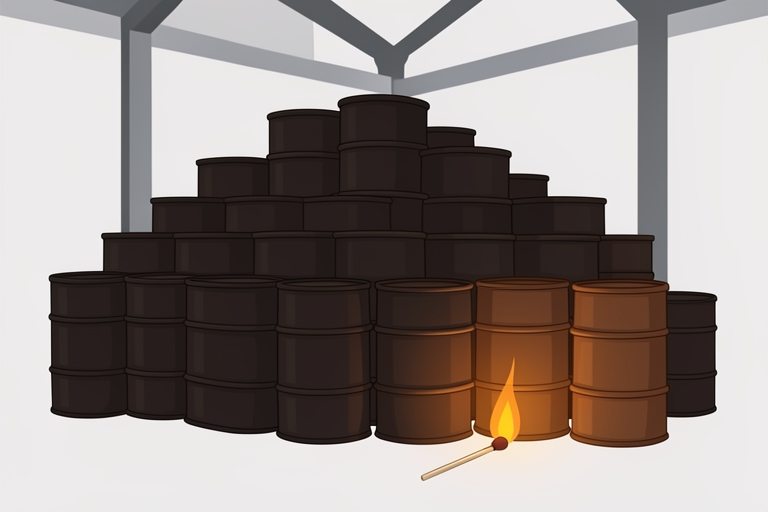
In 1914, one assassination sparked a war that killed 20 million people. Why? Europe in 1900 was like a powder keg: powerful empires competing, armies growing, and alliances binding nations together.
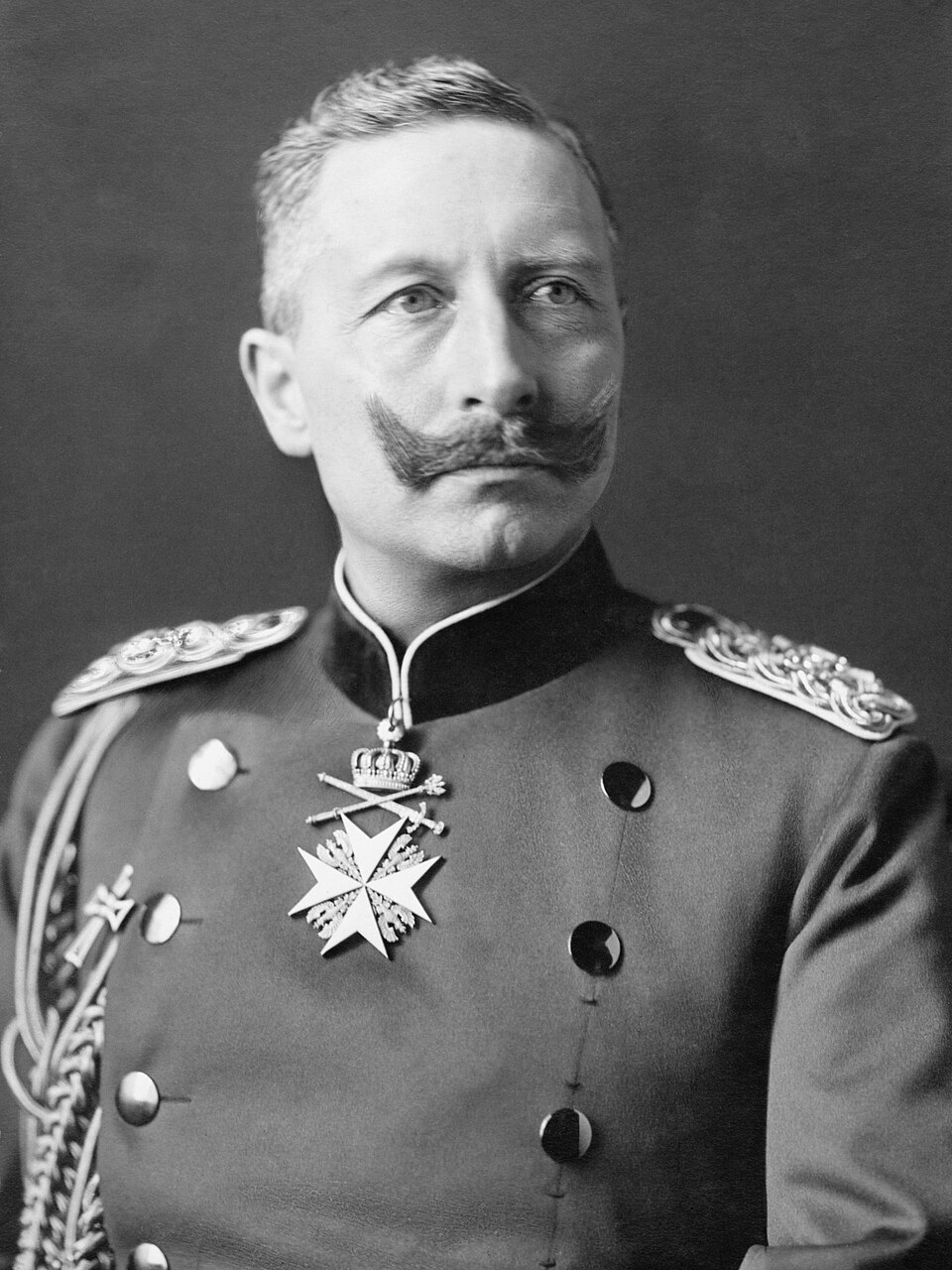
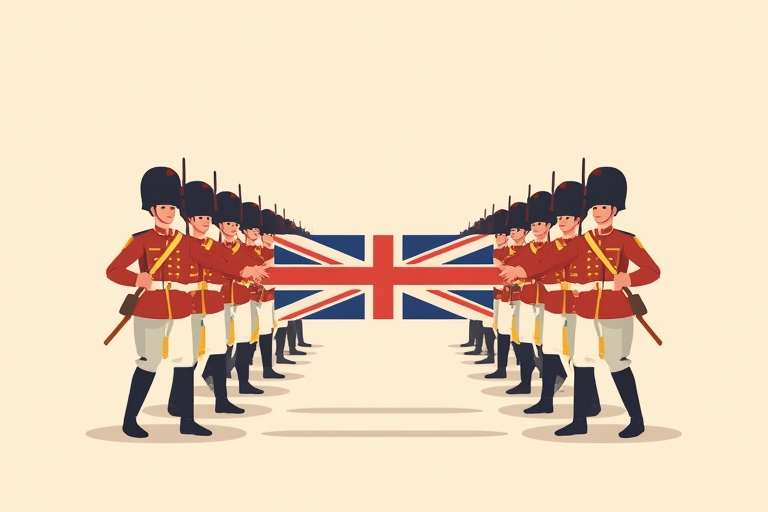
Germany was rising fast under Kaiser Wilhelm the Second, building a huge navy and army to challenge Britain.
- Germany's power grew rapidly after 1870
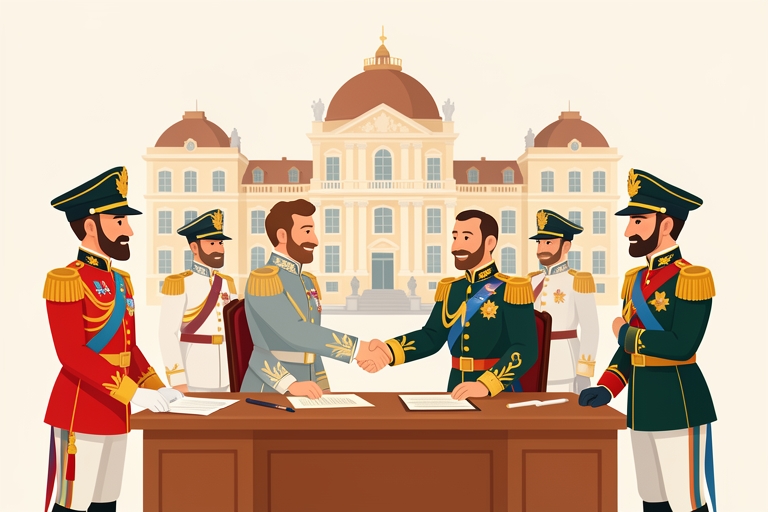
Britain, France, Russia and other nations felt threatened, so they formed alliances: if one was attacked, others would fight too.
These alliances meant that if two nations fought, their friends had to join in automatically. One small war could become huge. The Balkans, in southeast Europe, were a flashpoint. Serbia wanted independence from Austria-Hungary, and Russia supported Serbia.
- Alliances turned local conflicts into global wars
On June 28, 1914, Gavrilo Princip, a Bosnian Serb, assassinated Archduke Franz Ferdinand, heir to the Austro-Hungarian throne.
- Killed in Sarajevo, June 28, 1914
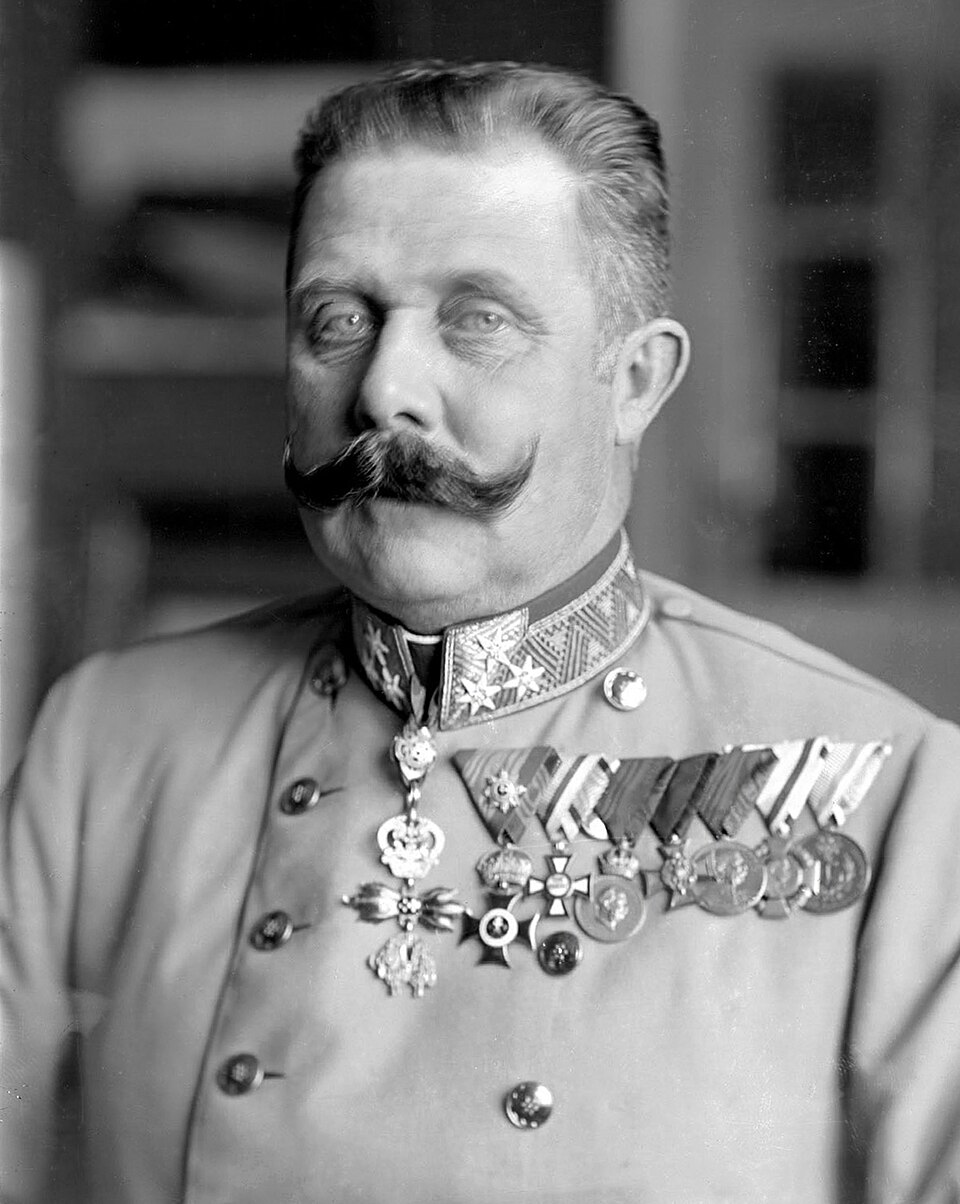
Austria-Hungary blamed Serbia and declared war on July 28. Russia then mobilised to defend Serbia.
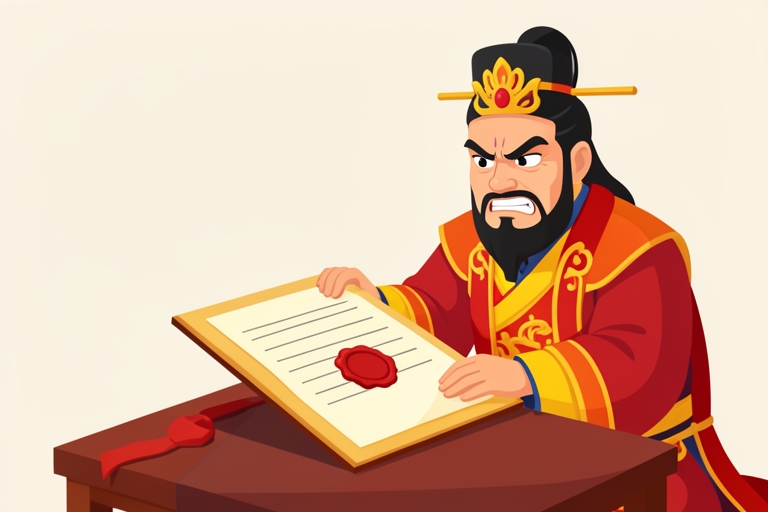
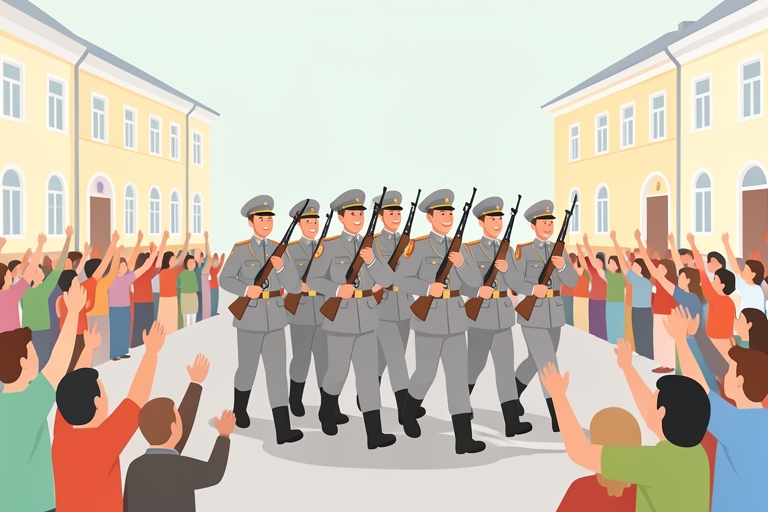
Germany feared being trapped between Russia and France, so it declared war on Russia on August 1 and France on August 3.
Germany's plan was to quickly defeat France, then turn to fight Russia. But it invaded Belgium to do so.
- Belgium was neutral; Germany violated its neutrality
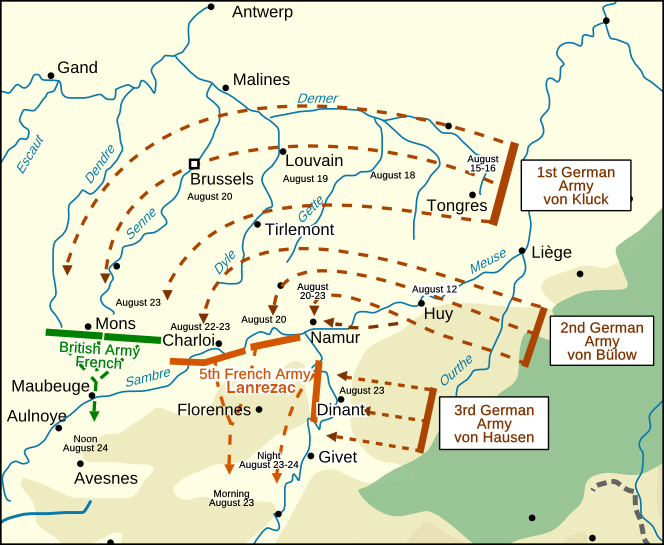
Britain had promised to protect Belgium, so on August 4, Britain declared war on Germany. The alliances had worked: one assassination became a world war.
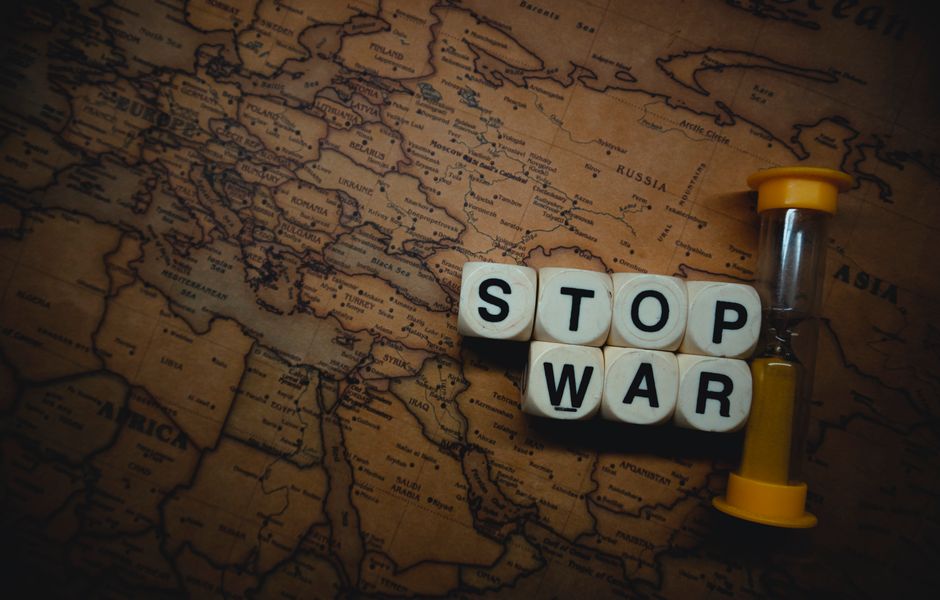
By September, Germany's quick victory plan had failed. The war became a long, brutal stalemate in the trenches. So what caused World War 1? Not just one thing: imperial rivalry, alliances, arms races, Balkan tensions, and one assassination all combined.
- 15 to 22 million died in the war
Quick quiz: which event triggered the alliance system to pull all the great powers into war? World War 1 happened because Europe was divided, armed, and linked by alliances that turned one crisis into a global catastrophe.
- One assassination, multiple alliances, millions dead
Quick quiz
Q1. Which event triggered the alliance system to pull all the great powers into war?
The assassination triggered Austria's declaration on Serbia, which activated the alliances.
More in History & Society
 🏛️ History & Society
How the stock market works
 🏛️ History & Society
Meet Henrik Ruben Genz
 🏛️ History & Society
Delhi Protests and Detentions
 🏛️ History & Society
India's growing population
 🏛️ History & Society
India's most crowded states
 🏛️ History & Society