Blood through heart and lungs
Transcript
Your heart pumps all day, so where does the blood go?
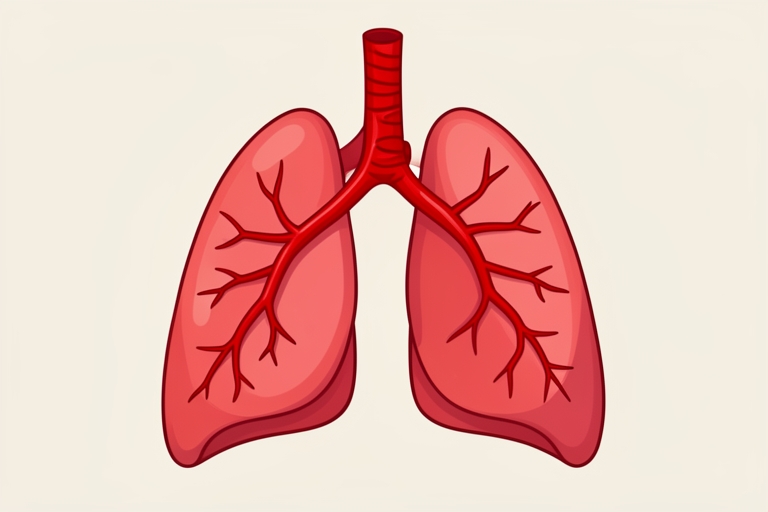
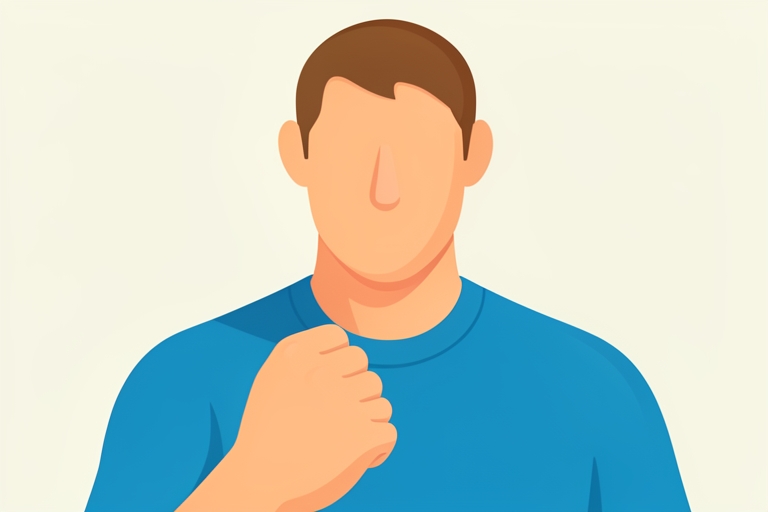
Your heart is a muscle about the size of your closed fist, sitting between your lungs.
Here is the real heart. It has four chambers: two small atria on top and two big ventricles below.
- 2 atria on top
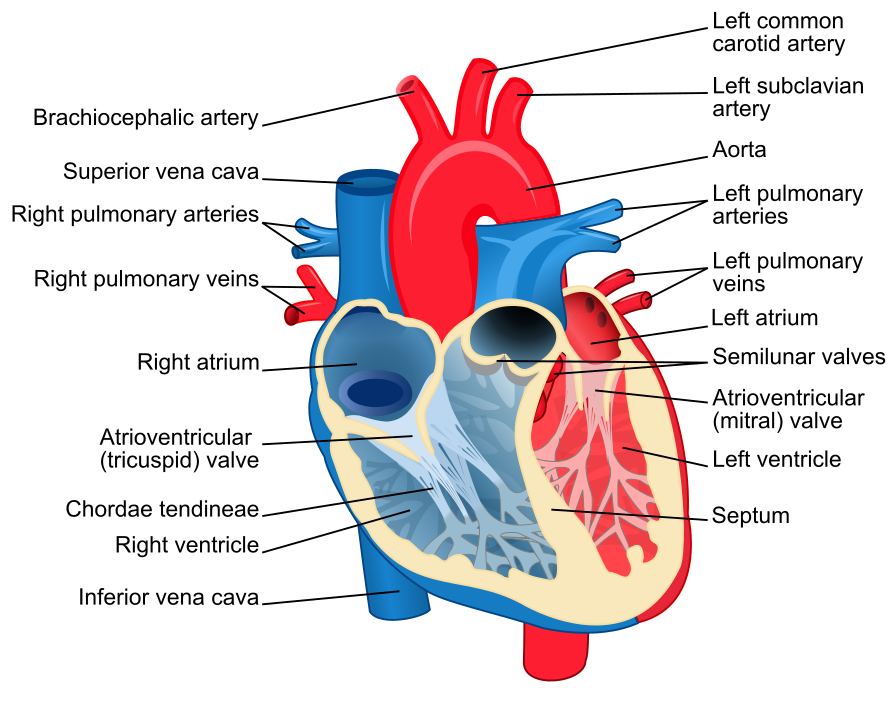
Think of the heart as two pumps side by side, a right pump and a left pump.
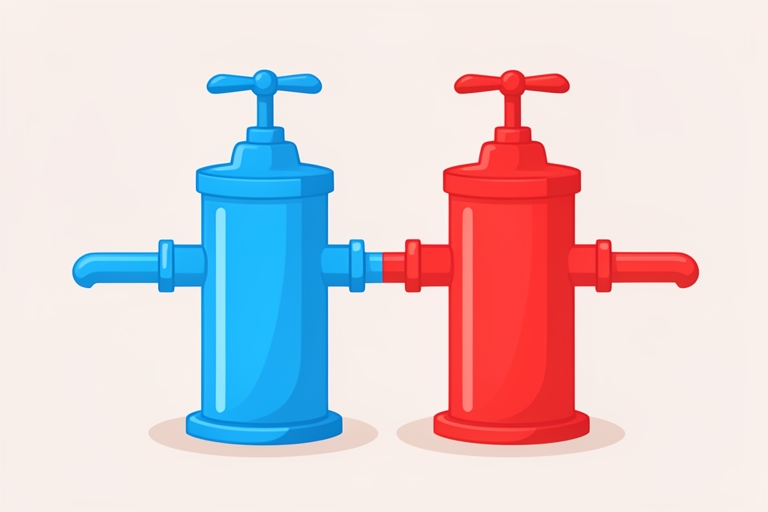
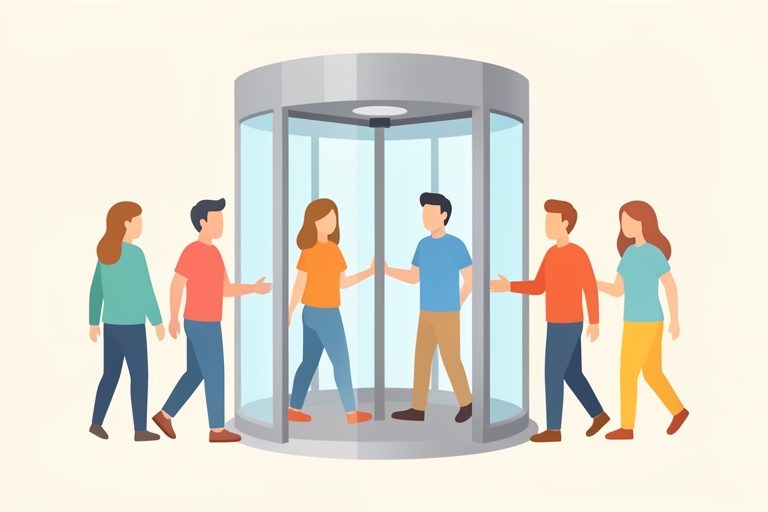
Valves work like one-way doors, so blood only moves forward and never slips backward. First, tired blood with little oxygen comes back from the body into the right atrium.
- Valves = one-way doors
The right ventricle then squeezes and pushes this blood out toward the lungs. In the lungs, the blood drops off carbon dioxide and picks up fresh oxygen from the air you breathe.
- Right side: to the lungs
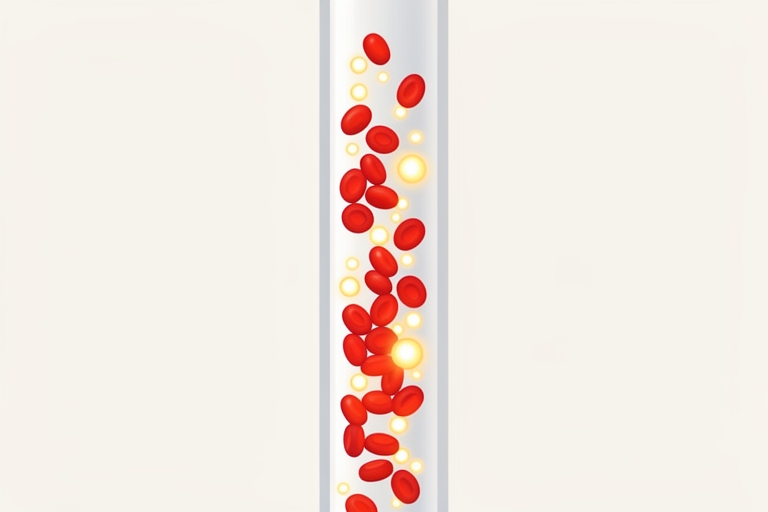
Now the blood is rich in oxygen, and it returns to the left atrium. The left ventricle is the strongest chamber. It pumps the oxygen-rich blood out to your whole body. Put it all together and the blood makes one big loop, again and again.
- Lungs swap the gases
- Left side: to the body
Blue means low oxygen and red means rich oxygen. The lungs are where blue turns red. Quick check: where does blood pick up fresh oxygen? In short, blood goes body, right heart, lungs, left heart, then back out to the body.
Quick quiz
Q1. Where does blood pick up fresh oxygen?
Blood collects oxygen in the lungs, then returns to the left side of the heart.