How bees make honey
Transcript
Bees turn flower nectar into golden honey. How do they do it?
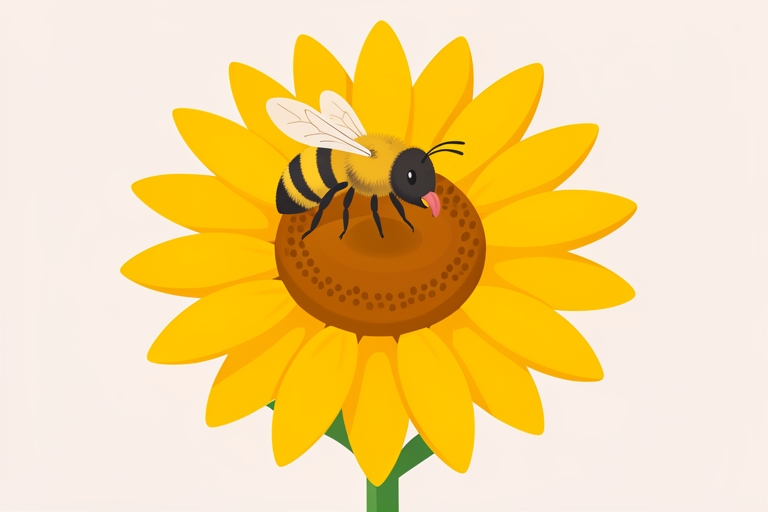
A forager bee lands on a flower and sucks up nectar with its long tongue into a special honey stomach.
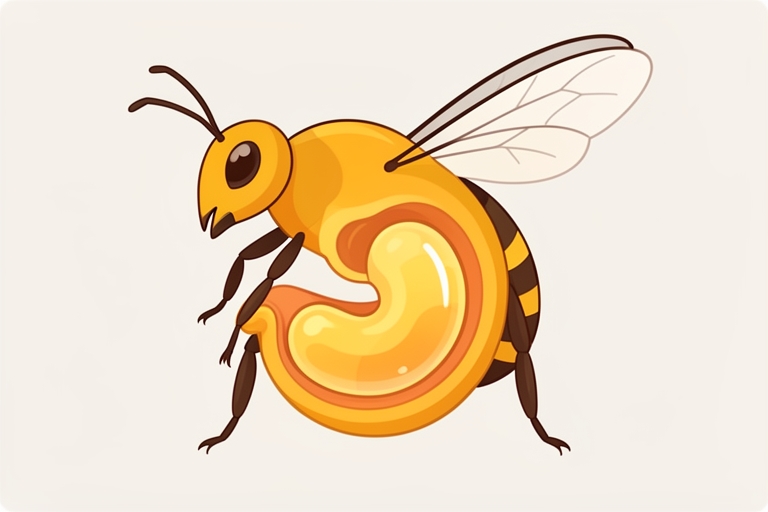
The nectar is mostly water, about 20 percent sugar. Honey needs to be much thicker and last longer.
Back at the hive, the forager regurgitates the nectar to a house bee. Enzymes start breaking down complex sugars.
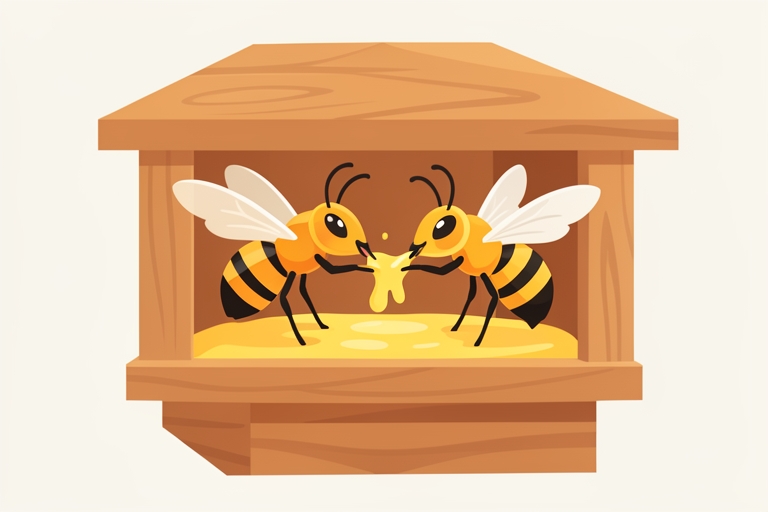
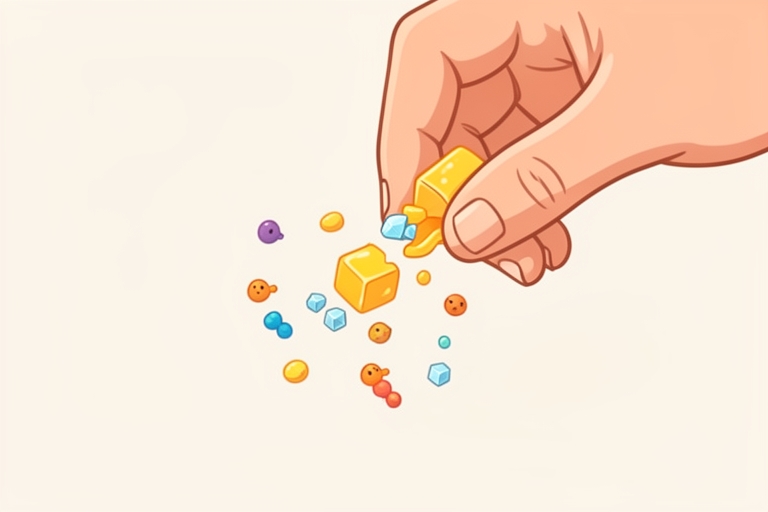
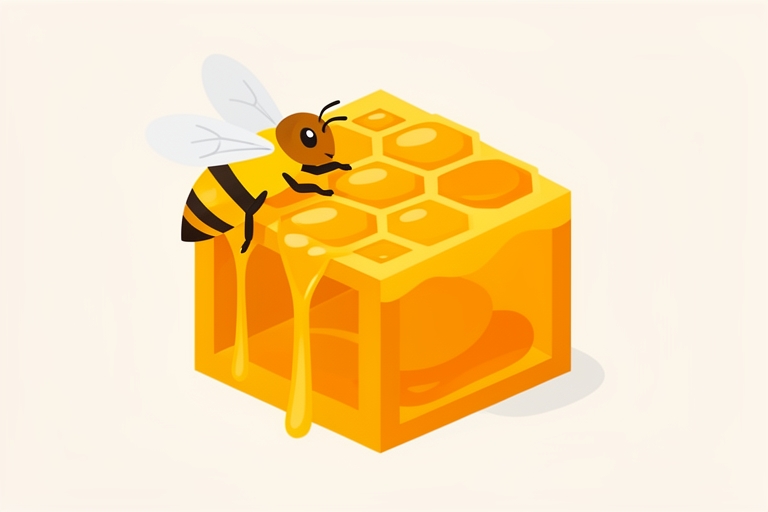
The house bee chews the nectar for about 30 minutes. This breaks sugars into simpler forms like glucose and fructose. Then the bee deposits the partially digested nectar into a hexagonal wax cell in the honeycomb.
- Cells ready for nectar
- Chewing = enzyme action
Now comes the clever part: the hive needs to remove water. Bees fan their wings to create airflow.
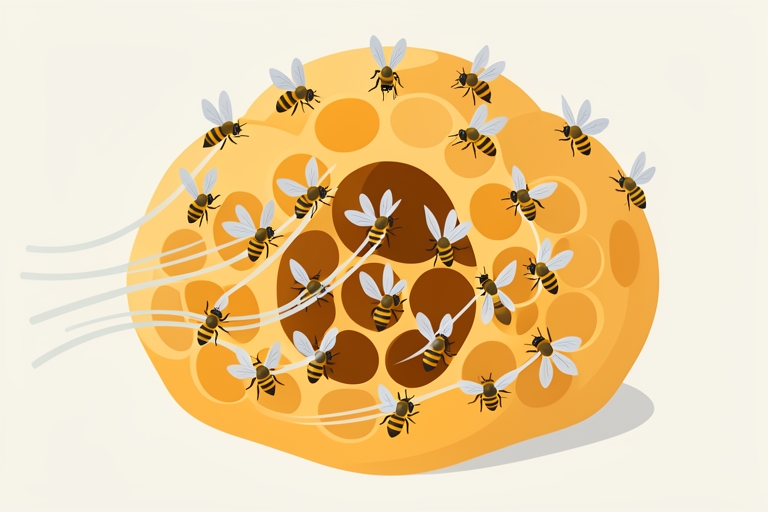
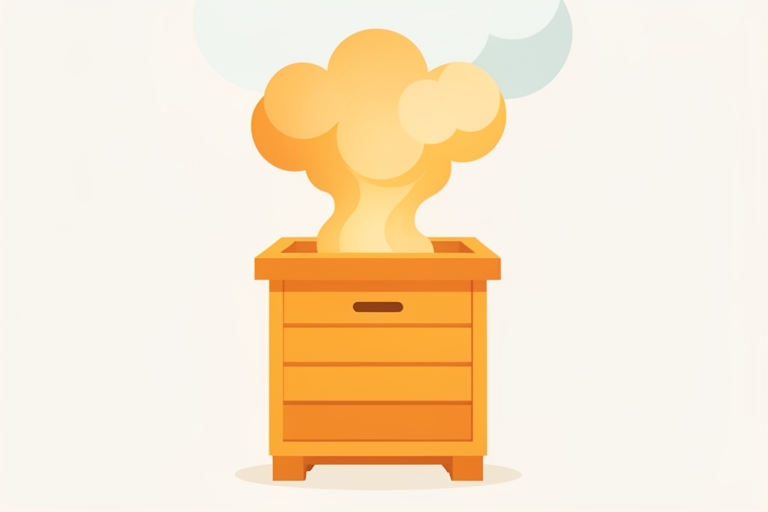
The moving air evaporates water from the nectar. Bees also pass the nectar between cells to speed this up. After two to three weeks, the water content drops from 70 percent down to just 17 percent. Now it is honey. Finally, bees seal the cell with a wax cap called a capping. This protects the honey from air and bacteria.
- Evaporation removes water
- Nectar moves between cells
- Thick, stable, lasts years
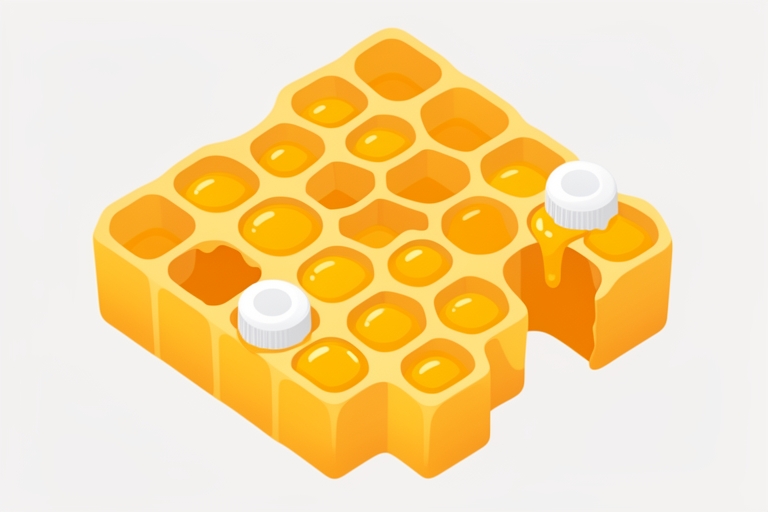
One bee produces only about one twelfth of a teaspoon of honey in her whole life, but a hive makes 30 to 60 pounds a year.
Let me ask you: why do bees need to reduce the water content from 70 percent to 17 percent? Bees make honey by collecting nectar, breaking it down with enzymes, evaporating water with wing-fanning, and sealing it away.
- Nectar → enzymes → evaporation → sealed honey
Quick quiz
Q1. Why reduce water in nectar to make honey?
Low water stops bacteria; high sugar preserves it for months or years.