How do lungs work?
Transcript
Every minute, you breathe in air without even thinking. Here is how!
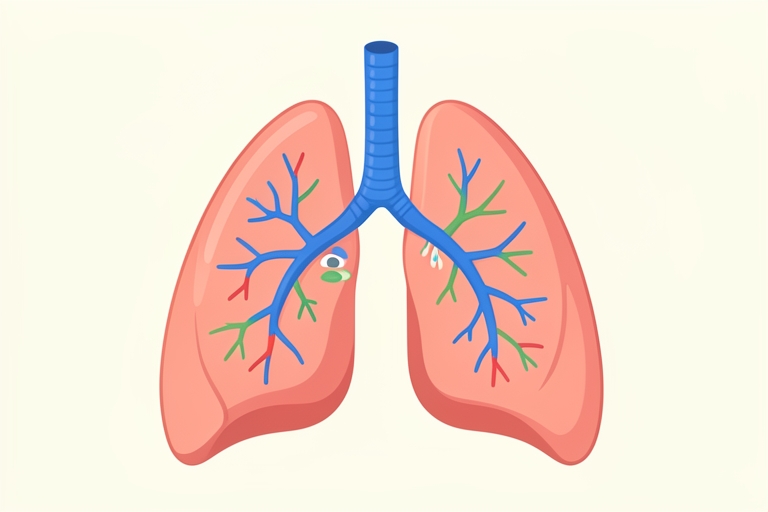
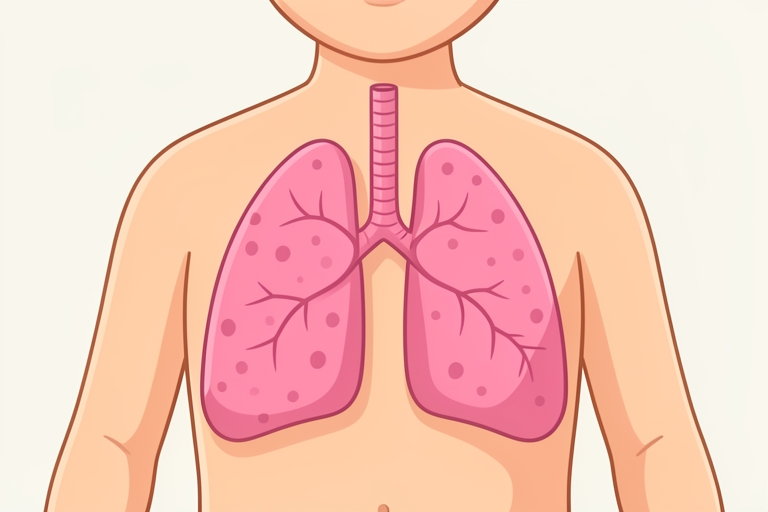
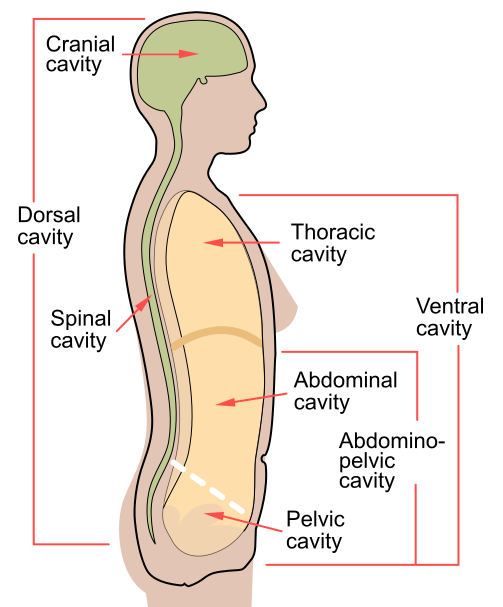
Your two lungs sit inside your chest, on either side of your heart.
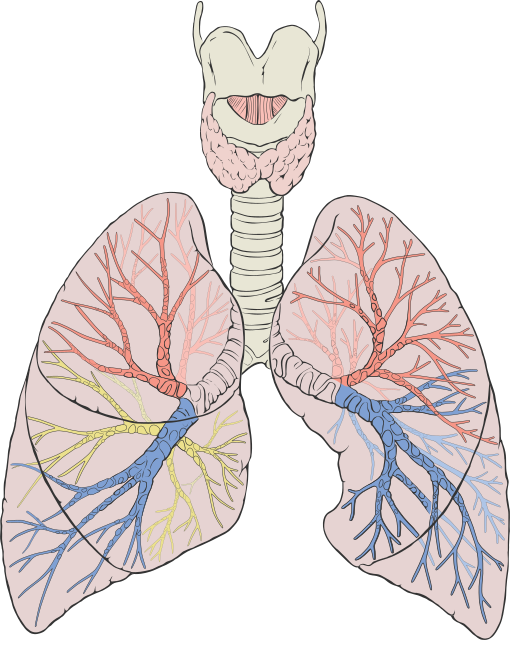
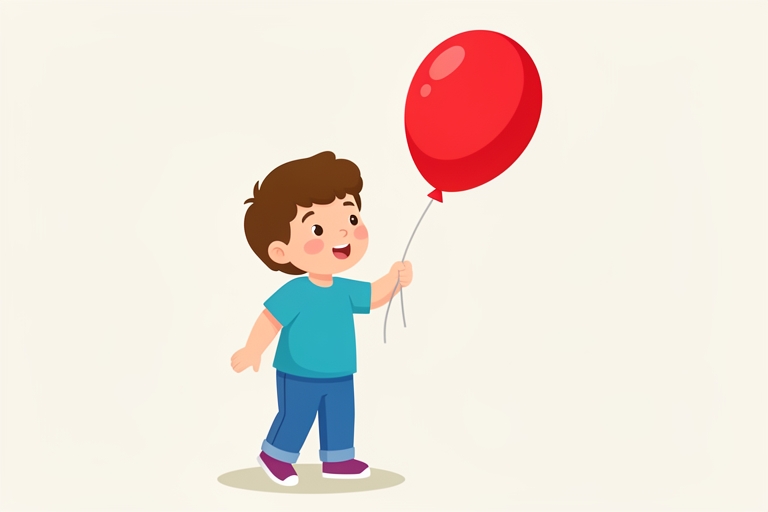
Think of your lungs like two soft balloons that fill with air and then empty again.
Air takes a path to get there. First it enters your nose or mouth.
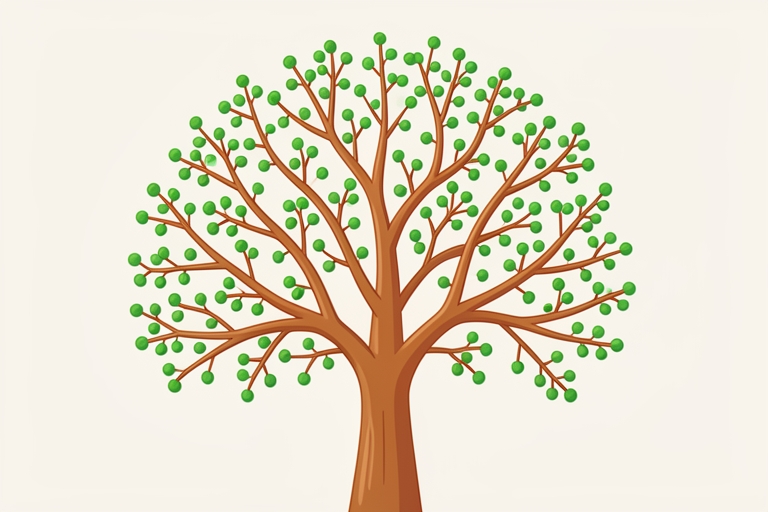
Inside the lungs, the windpipe splits into tiny branches, like a tree turned upside down.
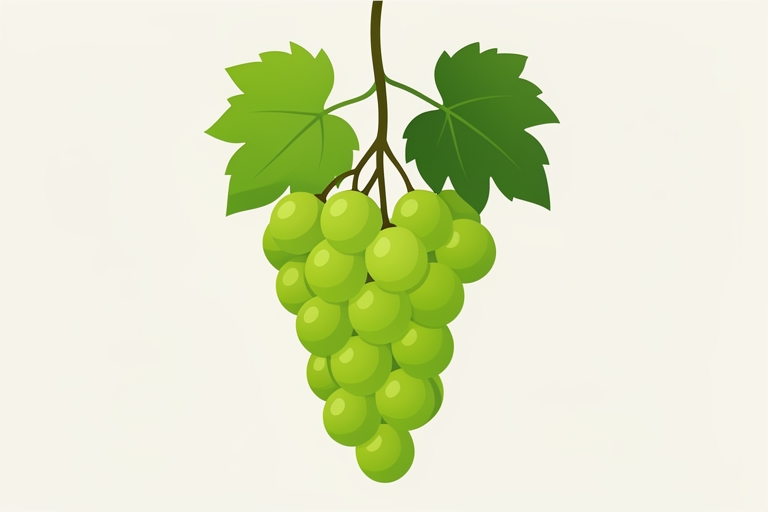
The branches end in millions of tiny air sacs, like bunches of grapes.
Now the clever part. Your lungs cannot move by themselves. A big muscle called the diaphragm does the work.
- Diaphragm = breathing muscle
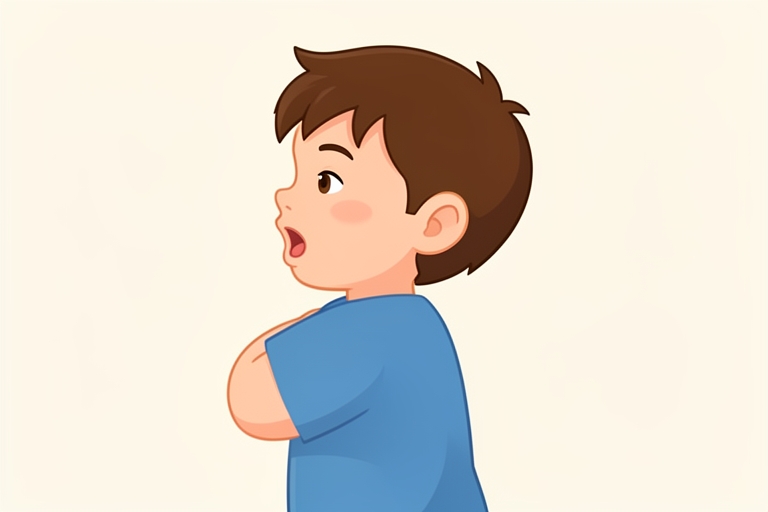
When you breathe in, the diaphragm moves down and your chest gets bigger, so air rushes in.
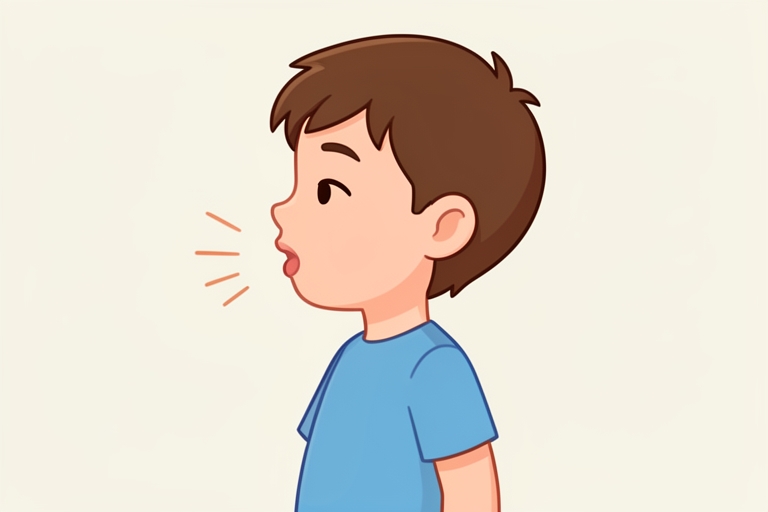
When you breathe out, the diaphragm relaxes and moves up, pushing the used air out.
In the air sacs, oxygen passes into your blood, and carbon dioxide leaves the blood. This swap is called gas exchange.
Oxygen is like fuel for your body, so your muscles and brain can work.
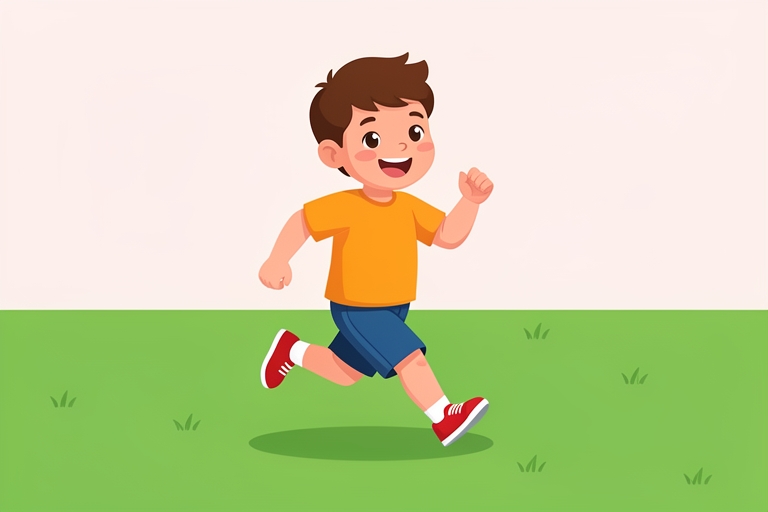
Here is an example. When you run, your body needs more oxygen, so you breathe faster.
Lungs also push air past your voice box, which lets you talk, sing, and shout.
Quick check! Which muscle does most of the work when you breathe in? To sum up: you breathe in oxygen, your lungs swap it for carbon dioxide, and you breathe that out.
Quick quiz
Q1. Which muscle drives your breathing?
The diaphragm moves down to pull air into your lungs.