How honeybees make honey
Transcript
How do honeybees turn flower nectar into the golden honey we eat?
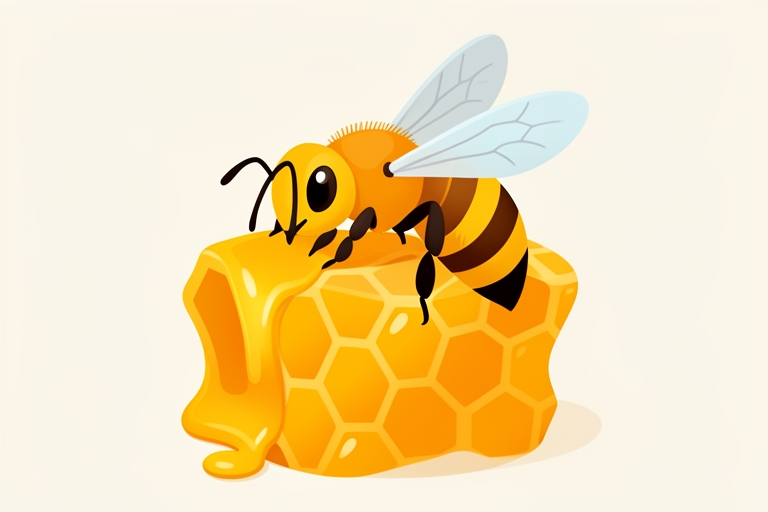
A bee starts by drinking nectar from flowers using a long tube called a proboscis.
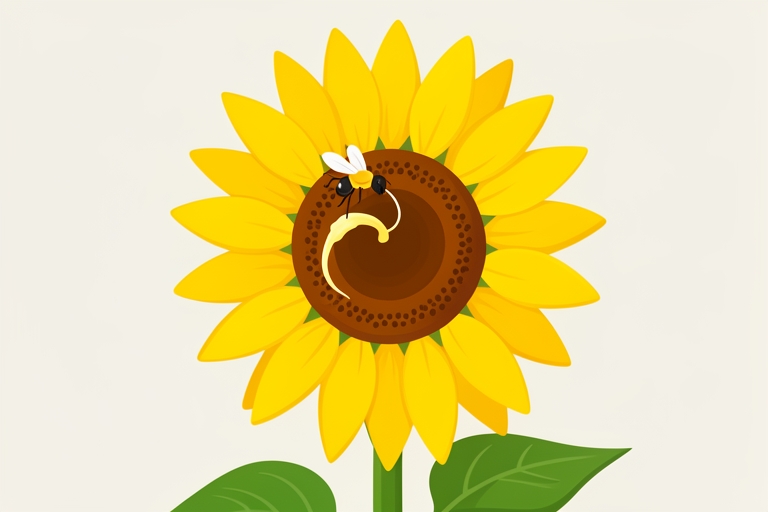
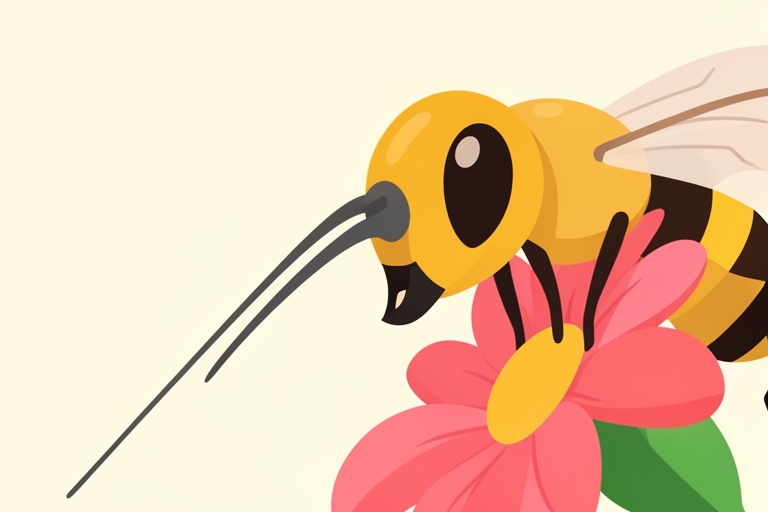
The nectar goes into a special pouch in the bee's belly called the honey stomach. Here is the clever part: enzymes in the honey stomach break down complex sugars into simpler ones.
- Honey stomach inside bee
The bee flies back to the hive and passes the nectar to another bee mouth to mouth.
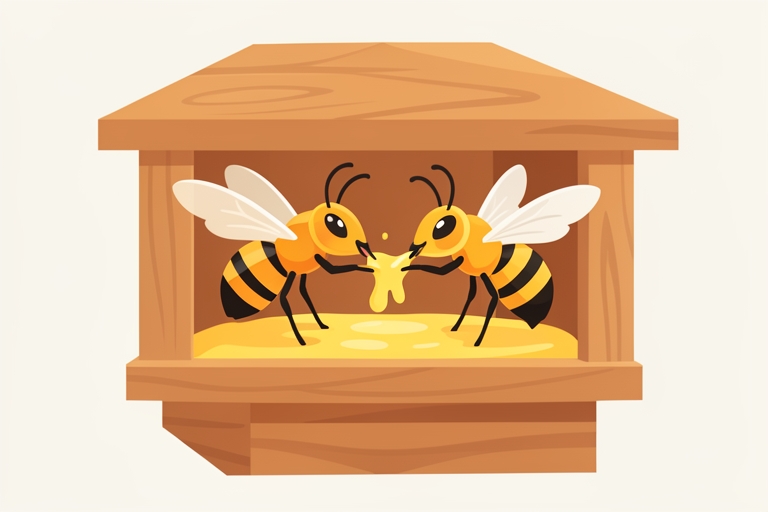
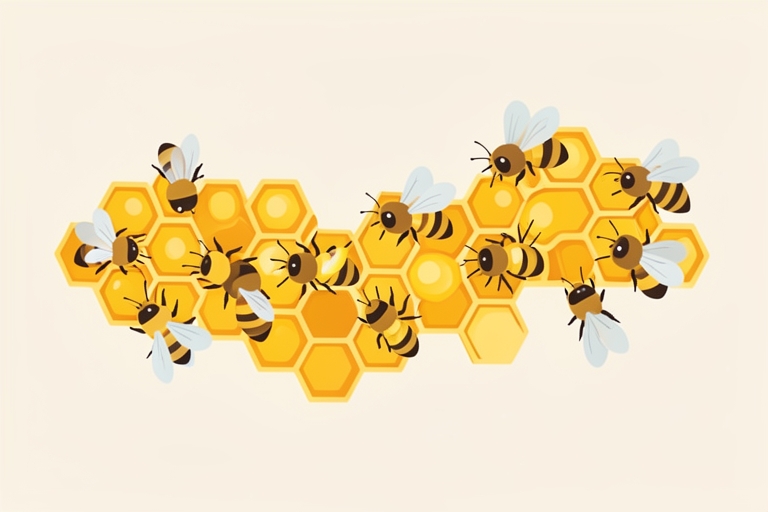
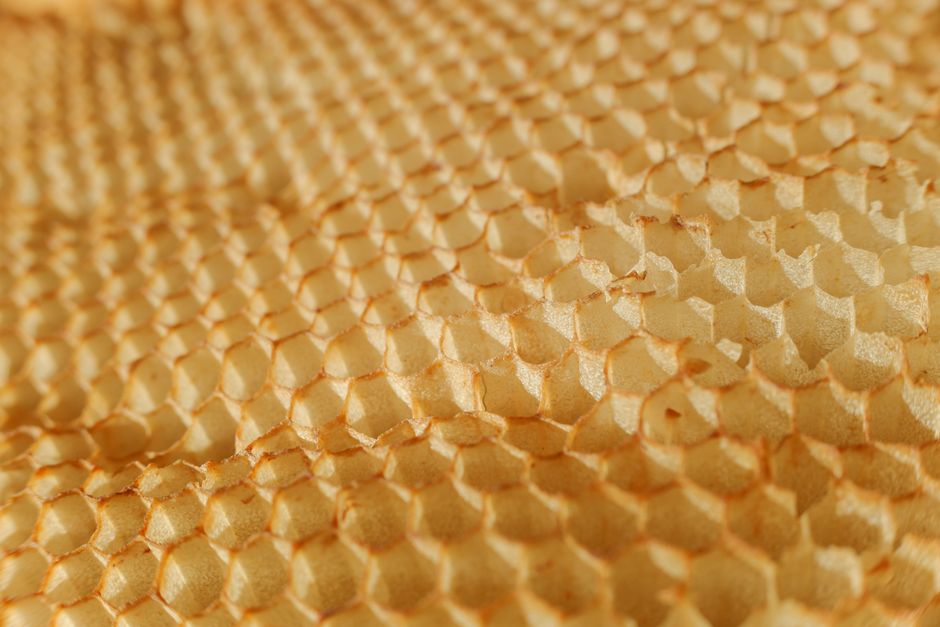
Each bee that receives it adds more enzymes, breaking down the sugars even further. Finally, a bee deposits the processed nectar into a hexagonal wax cell in the honeycomb.
- Each pass = more enzyme action
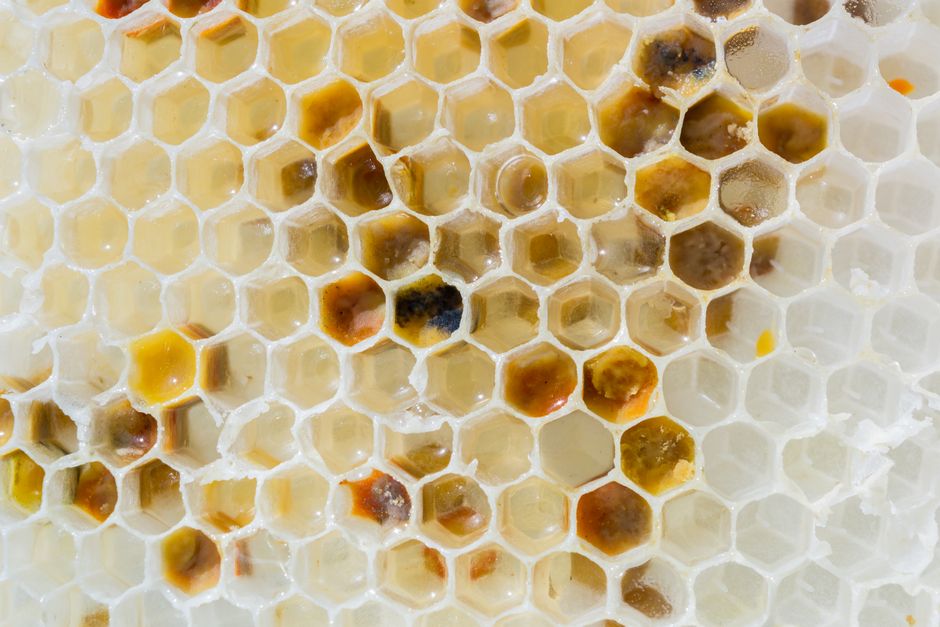
But the nectar is still too wet to be honey. It has too much water in it.
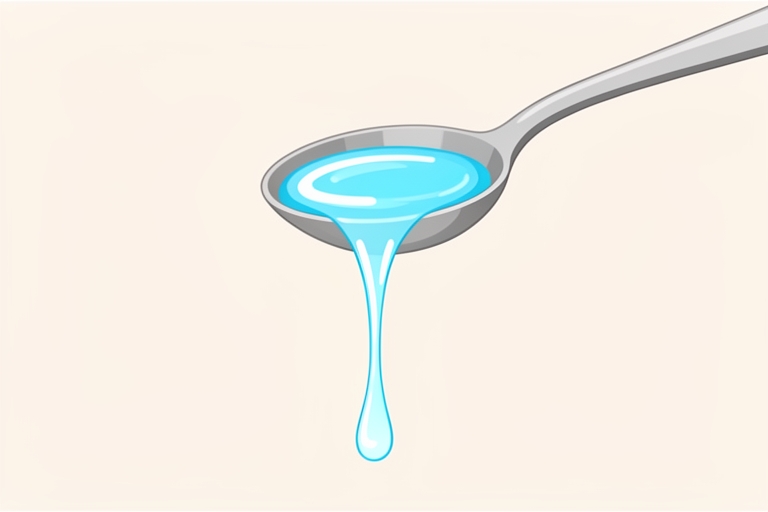
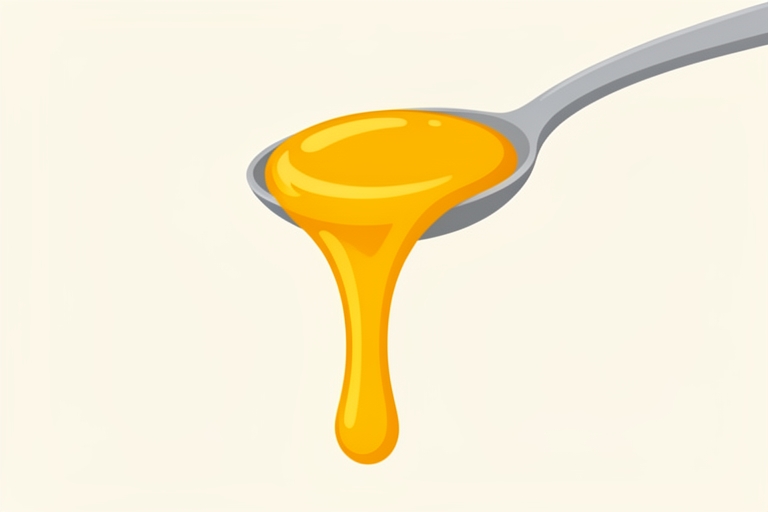
Bees fan their wings fast to blow air through the hive and evaporate the water.
As water leaves, the nectar becomes thicker and sweeter. Enzymes keep working too.
When the honey is thick enough, the bee seals the cell with a wax cap called a capping.
One bee makes only about one twelfth of a teaspoon of honey in her whole life! A strong hive with 60,000 bees can make 30 to 60 pounds of honey in one season. Quiz: Why do bees add enzymes to nectar as it passes from bee to bee?
- One bee = 1/12 teaspoon lifetime
- 60,000 bees = 30-60 pounds honey
Honeybees turn nectar into honey by adding enzymes, passing it mouth to mouth, and fanning away water.
Quick quiz
Q1. Why do bees add enzymes to nectar?
Enzymes break down complex sugars, which is essential for making honey and preserving it.