How light works
Transcript
How does light let you see anything at all?
Light is energy that travels from things that glow, like the Sun, a flame, or a bulb.
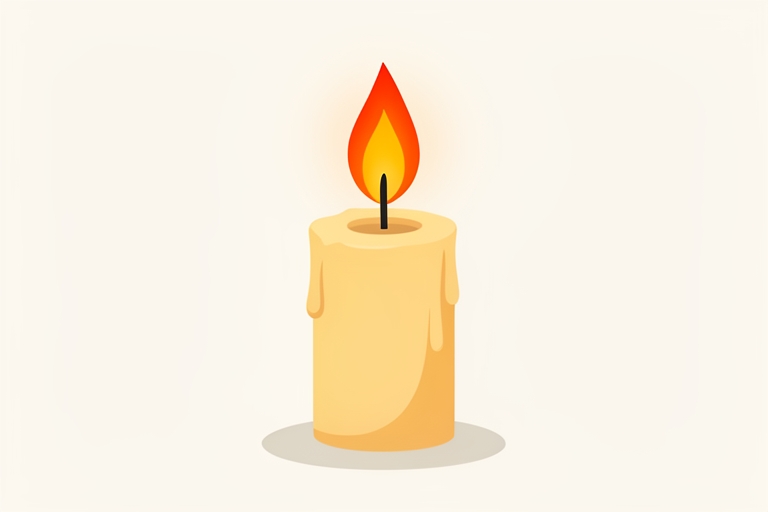
Light moves in straight lines, spreading out in every direction from its source. It is also incredibly fast, about three hundred thousand kilometres every single second.
- 300,000 km every second
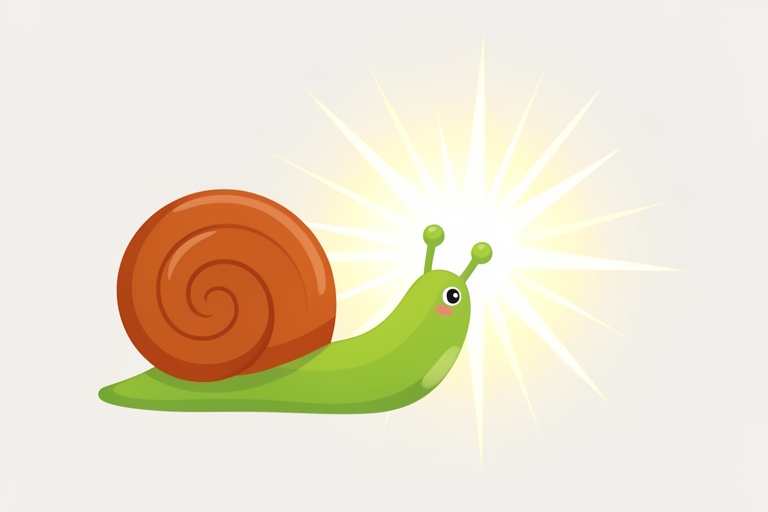
That means sunlight reaches us from the Sun in only about eight minutes.
We see an object when light bounces off it and then enters our eyes.
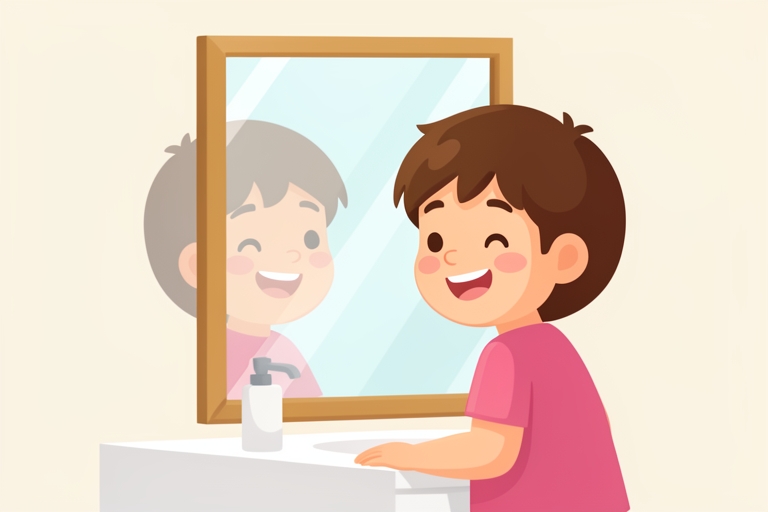
Smooth shiny surfaces bounce light neatly, which is why a mirror shows you a clear picture.
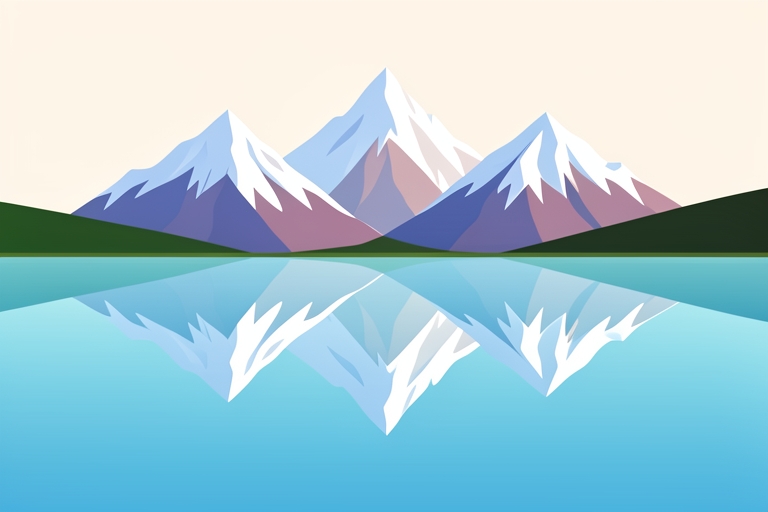
When light passes into water or glass, it bends. This bending is called refraction. Sunlight looks white, but it is really a mix of many colours.
- A bent-looking pencil
- Bending = refraction
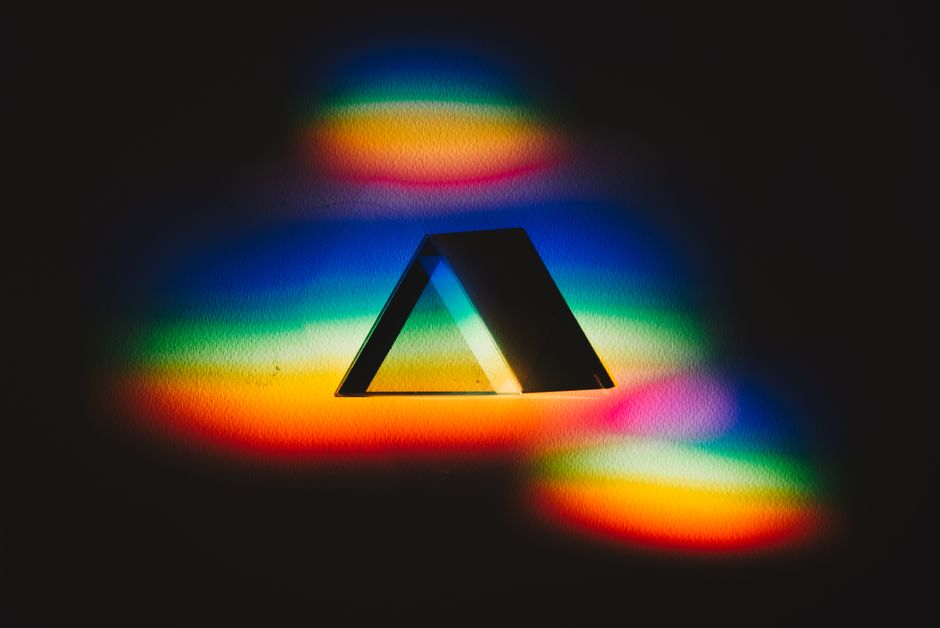
Rain drops act like tiny prisms, splitting sunlight into a rainbow.
Each colour is a different wavelength. Red has the longest wave, and violet has the shortest.
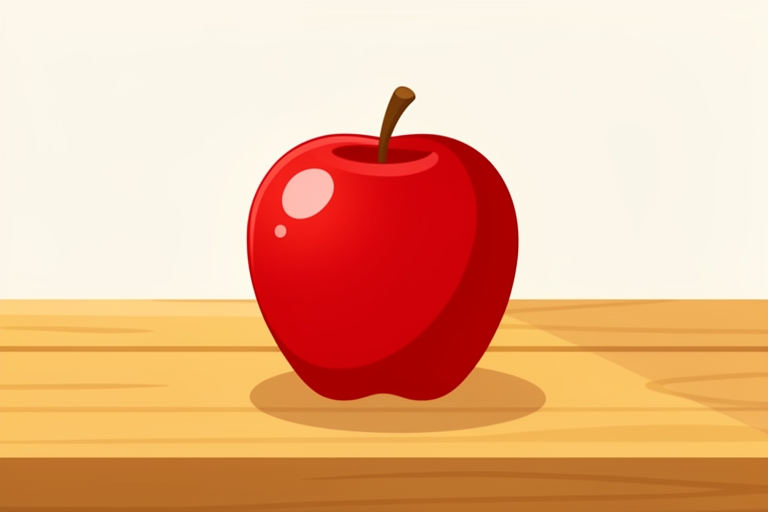
A red apple looks red because it bounces red light to your eyes and soaks up the other colours.
Light acts like a wave and also like tiny packets of energy called photons. Our eyes only see a small slice of light. Other kinds, like radio waves and X-rays, are invisible.
Quick check: why does an apple look red? In short, light travels fast in straight lines, bounces, bends, and splits into colours, and that is how we see.
- Light bounces into eyes = we see
Quick quiz
Q1. Why does a red apple look red?
It absorbs other colours and bounces red light into your eyes.