How magnets work
Transcript
How does a magnet grab metal without even touching it?

A fridge magnet holds a note, a magnet pulls a paperclip, and some magnets push each other away.



Every magnet makes an invisible magnetic field around it. It is a zone where the magnet's force works. The field is strongest at the two ends, called the north pole and the south pole. Opposite poles attract, and the same poles repel. That is the one big rule of magnets.
- Iron filings show the field
- Magnetic field = invisible force zone
- Opposites attract, likes repel
Try it yourself. Push two north poles together and you feel an invisible cushion pushing back.


But why does a magnet work at all? The secret is inside the metal, in tiny atoms.
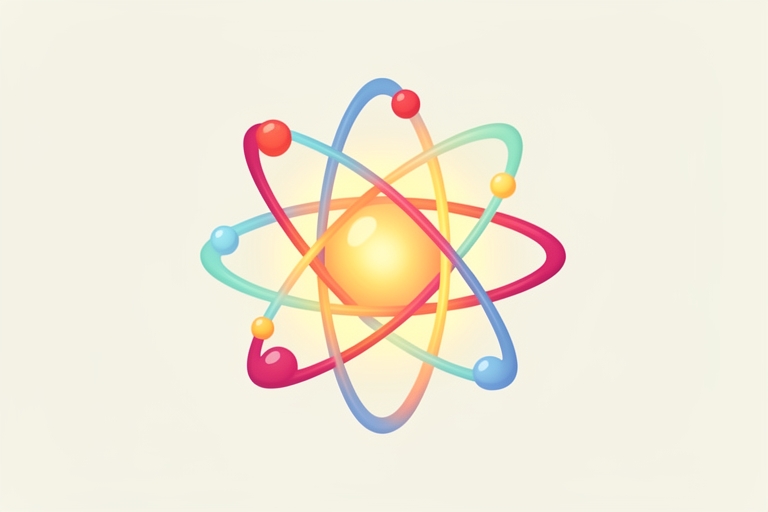
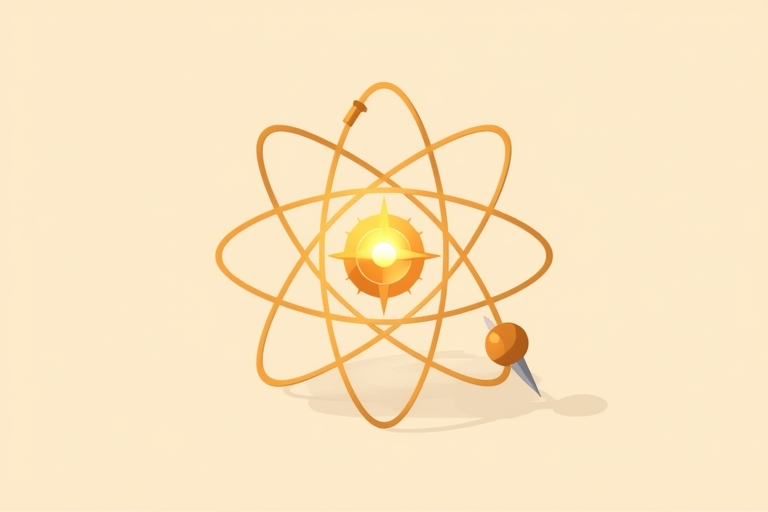
Spinning electrons make every atom act like a tiny magnet. In iron, nickel and cobalt, these tiny magnets can line up.
In a normal piece of iron, the tiny magnets point every which way, so their pulls cancel out. In a magnet, they all point the same way. Their small pulls add up into one strong force. Soft iron lines up easily but loses it fast. Hard materials like alnico and ferrite stay lined up, making permanent magnets.
- Hard materials stay magnetic
Not everything sticks. Iron, nickel and cobalt are strongly pulled, but wood, plastic and paper hardly respond at all.
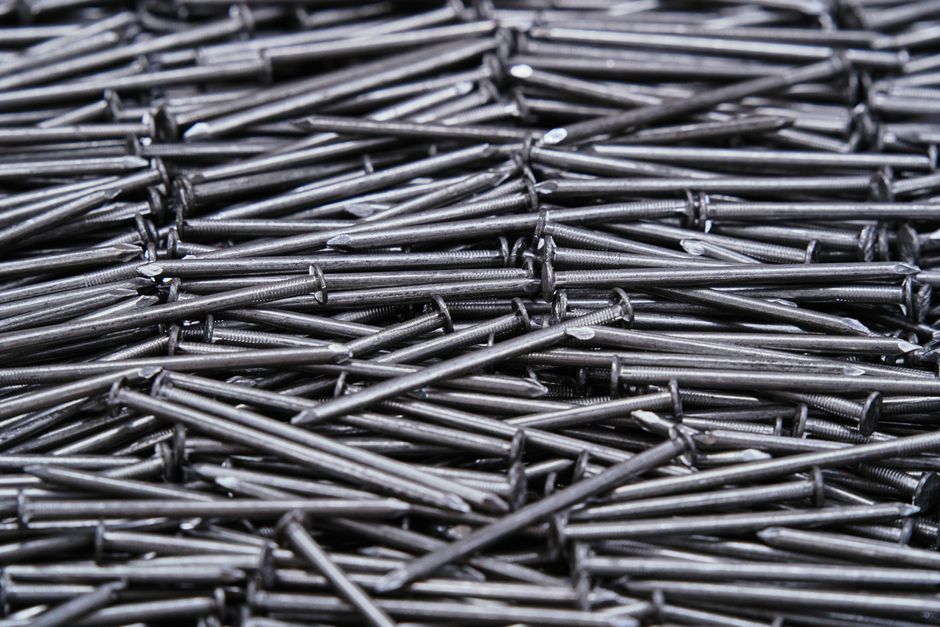

Natural magnets exist too. A mineral called lodestone is a rock that is magnetic all by itself. One quick check. Which of these will a magnet pull strongly? So a magnet is a material whose tiny atom-magnets line up, making an invisible field that pulls iron and repels or attracts other magnets.
- Lodestone: a natural magnet
- Aligned atoms = magnetic field
Quick quiz
Q1. Which object will a magnet pull strongly?
Iron is ferromagnetic, so its tiny magnets line up and it is pulled.