How neurons send signals
Transcript
How does your finger tell your brain 'ouch' in a blink?
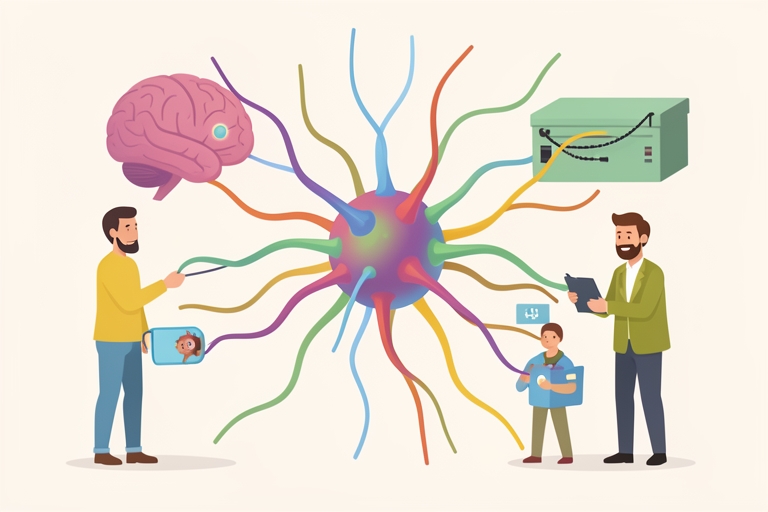
Your brain and body are wired with tiny cells called neurons, millions and millions of them.
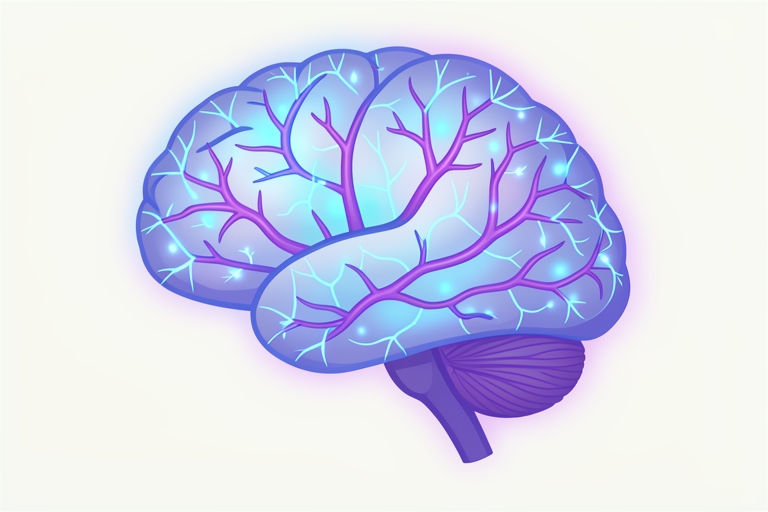
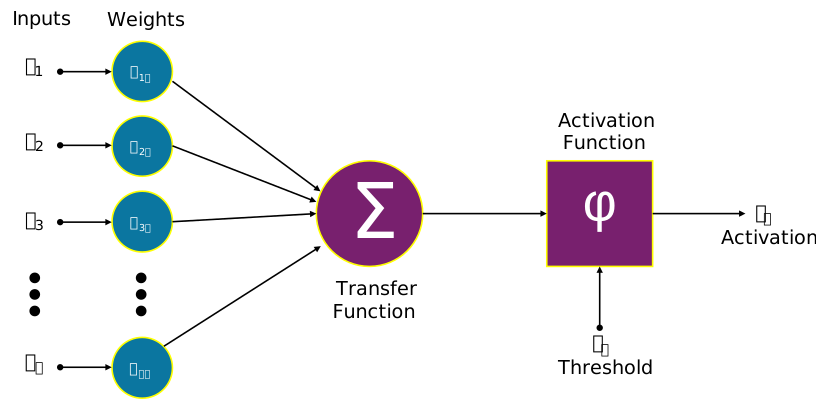
Here is one neuron. It has a body, branches that listen, and a long tail that sends.
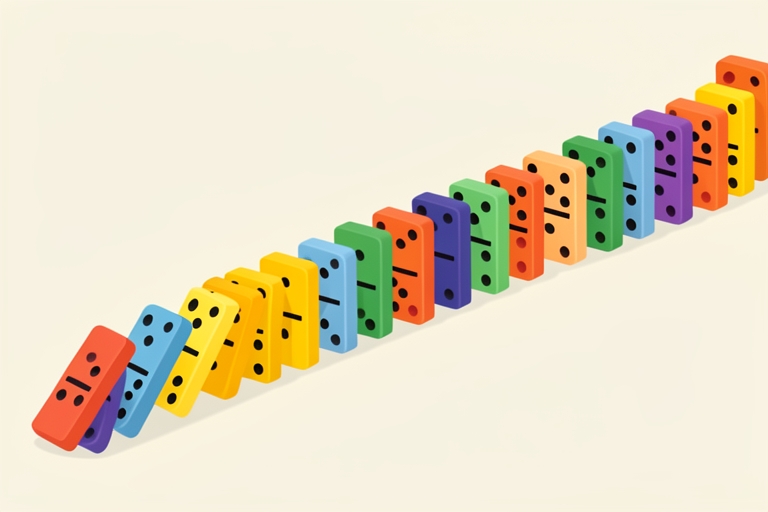
Think of a neuron like a line of dominoes. Knock the first one, and the fall travels all the way down.
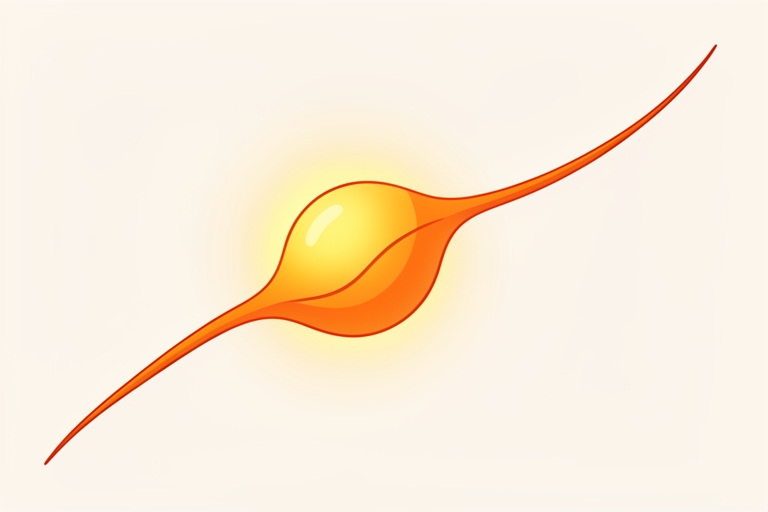
A neuron at rest is charged, a bit like a battery waiting to be used.
When a strong enough push arrives, the neuron fires a tiny electrical spark called an action potential. The spark does not stop. It travels down the axon, one little patch triggering the next.
- Spark = action potential
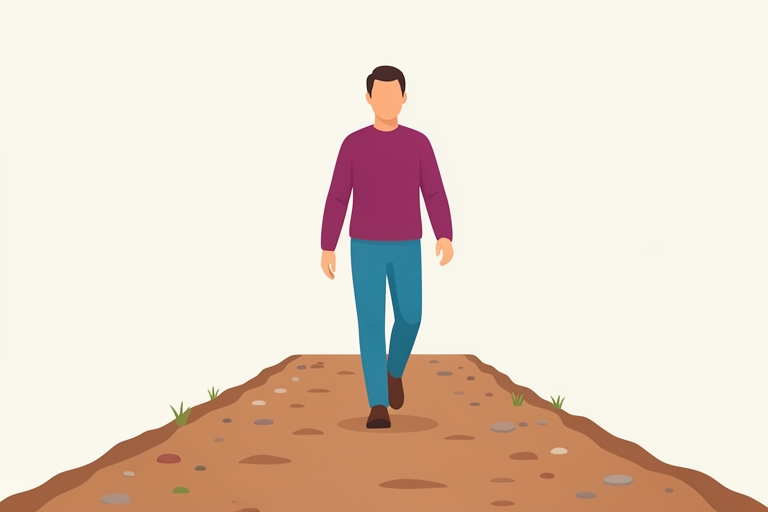
Some axons wear a fatty coat that makes the spark jump along much faster.

At the end of the axon there is a tiny gap called a synapse, and the spark cannot jump it. So the end releases chemical messengers, called neurotransmitters, which float across the gap like letters in a boat.
- Synapse = tiny gap
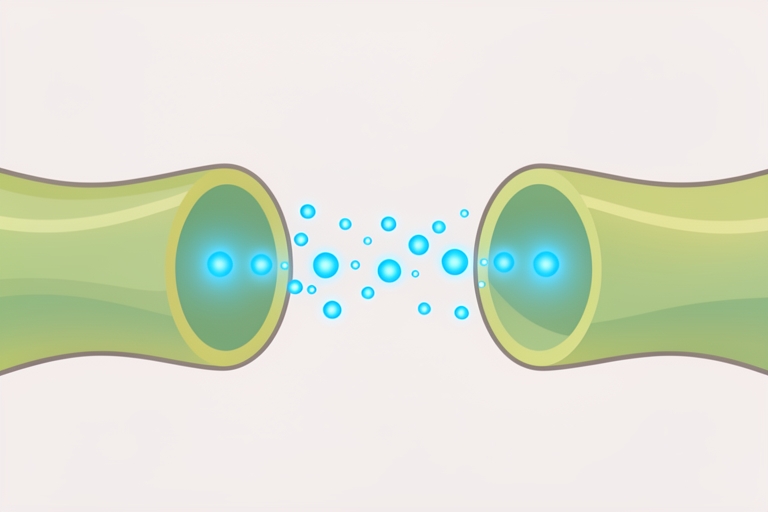

The next neuron catches the chemicals, and if there are enough, it fires its own spark.
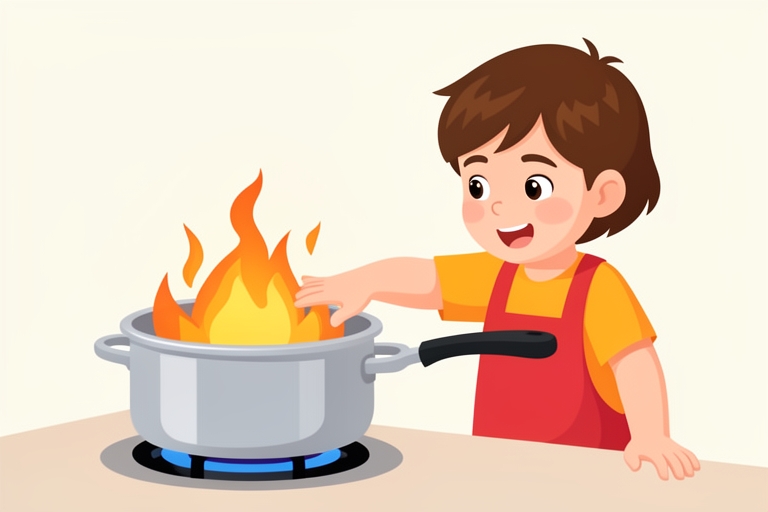
Back to your hot pot: sensor neurons spark, chemicals pass it on, and in a blink your brain says ouch.
Quick check to see what you caught. Neurons pass messages by sending a spark along the axon, then chemicals across the gap, over and over, in a blink.
- Spark, chemicals, spark again
Quick quiz
Q1. What carries the message across the tiny gap between neurons?
The spark stops at the synapse, so chemicals carry the message across.