How photosynthesis works
Transcript
Plants turn sunlight into food. How do they do it?
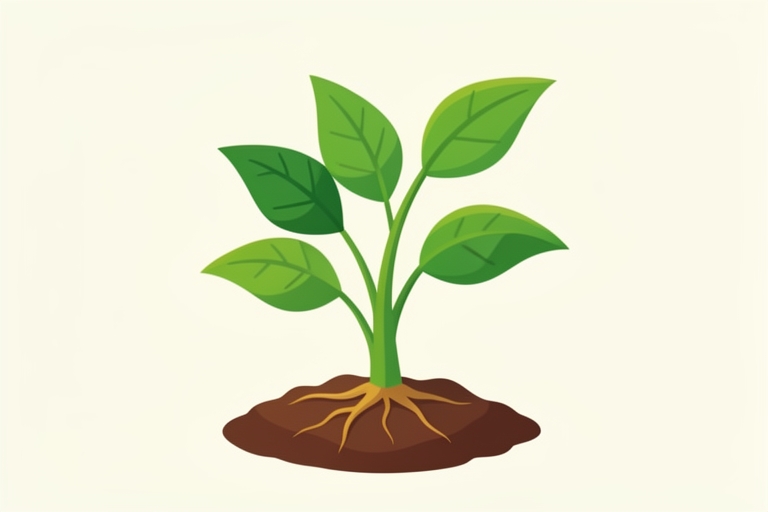
A plant leaf is like a tiny solar panel that captures light energy from the Sun.


Inside the leaf are millions of cells packed with a green pigment called chlorophyll.
- Chlorophyll = green pigment
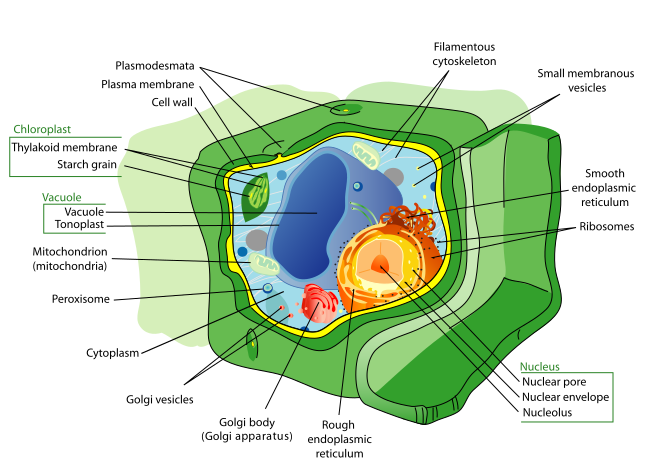
Chlorophyll absorbs light energy, especially red and blue wavelengths, and uses it to split water molecules.


When water splits, it releases oxygen as a waste product that the plant releases into the air.
But the real magic is what happens next: the plant uses that energy to build sugar. The plant takes carbon dioxide from the air and uses the captured energy to turn it into glucose, a simple sugar.
- Energy is captured in sugar bonds
- CO2 + energy → glucose
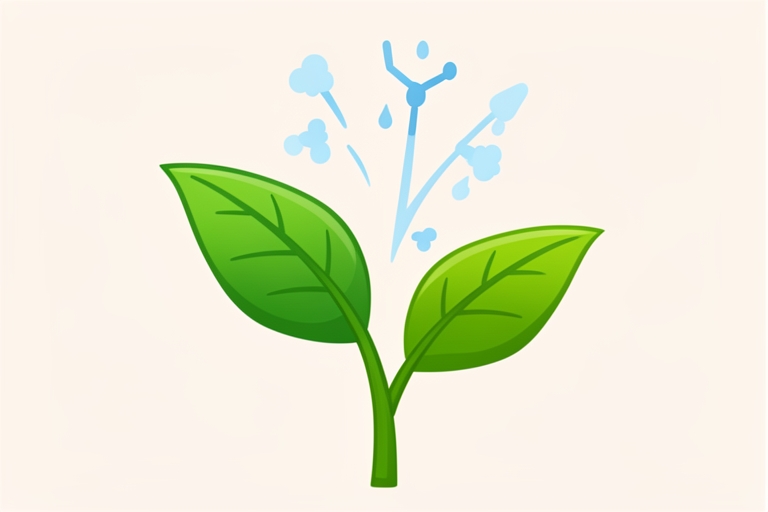
Glucose is the plant's food. It stores chemical energy in its molecular bonds.


The plant uses this glucose to grow, build leaves and roots, and make seeds.
Let's see the full equation: six water molecules plus carbon dioxide, plus light energy, makes glucose and oxygen.
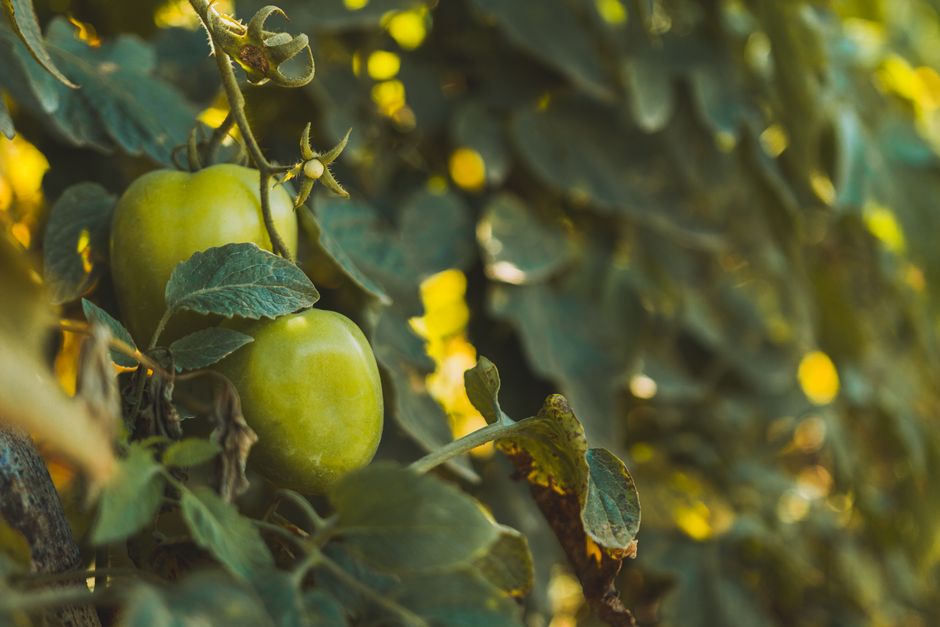
6H_2O + 6CO_2 + \text{light energy} \rightarrow C_6H_{12}O_6 + 6O_2Here's a real example: a tomato plant in your garden absorbs sunlight all day and builds sugars that make the tomato sweet and red.
Without photosynthesis, there would be no oxygen to breathe and no food for any animal on Earth. Quick quiz: what is the green pigment in leaves that captures light energy? Photosynthesis is how plants turn light, water and air into food and oxygen.
- Photosynthesis feeds all life on Earth
- Light + water + CO2 → glucose + oxygen
Quick quiz
Q1. What pigment captures light in leaves?
Chlorophyll is the green pigment that absorbs light energy in plant cells.