How rainbows get their colours
Transcript
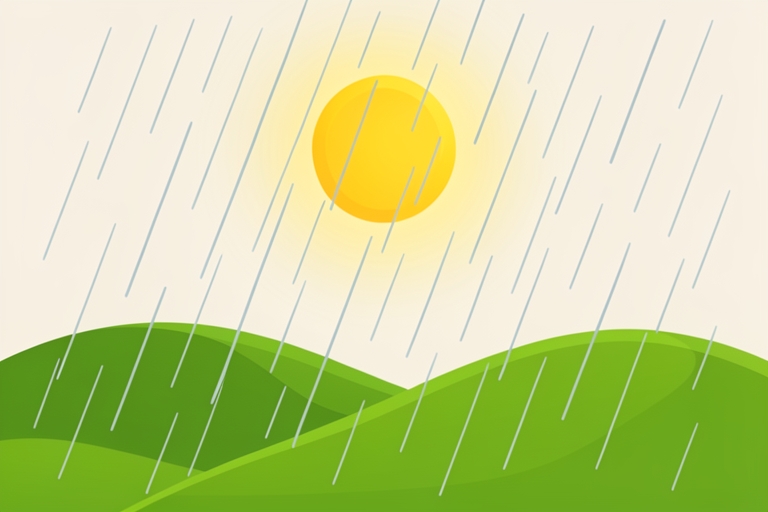
Rain and sunshine together can paint the sky. How?
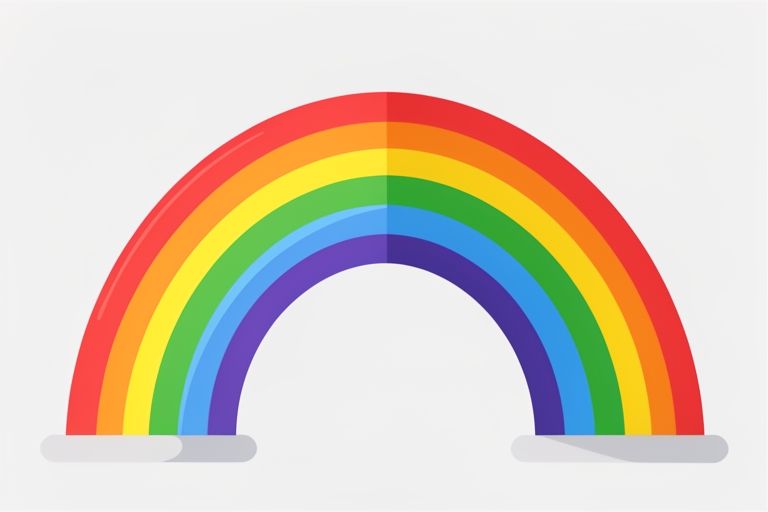
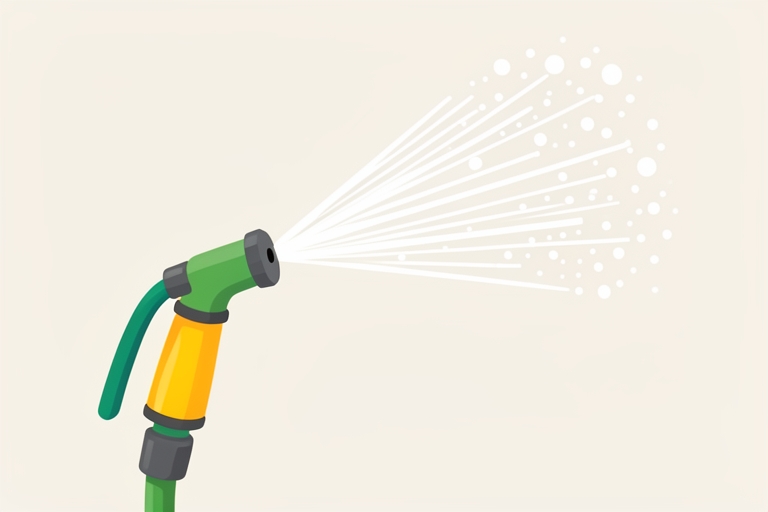
A rainbow shows up when sunlight meets millions of tiny water drops, like rain, mist or spray.
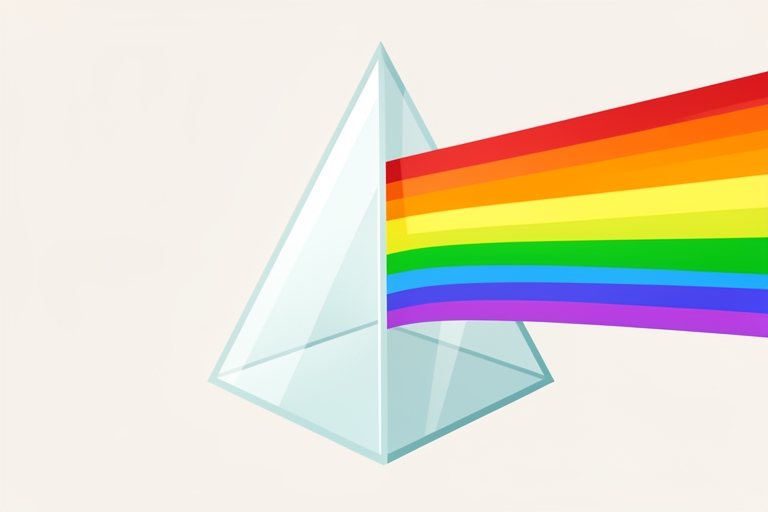
Sunlight looks white, but it is secretly a mix of every colour, all travelling together.
- White light = all colours
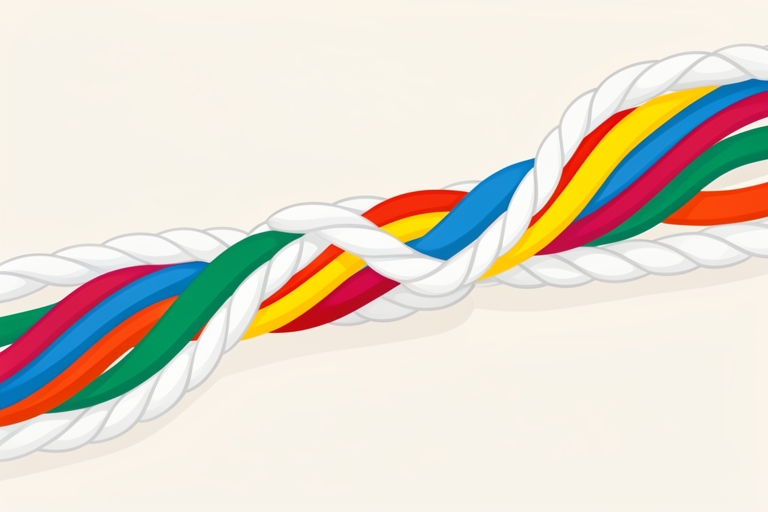
When light enters a water drop, it slows down and bends. Scientists call this refraction. Here is the clever part. Each colour bends by a slightly different amount, so the colours fan out. Red light bends the least. Violet light bends the most. That spreading is called dispersion.
- Water bends light
- Refraction = bending
The light then hits the back of the drop and bounces off, like a ball hitting a wall.
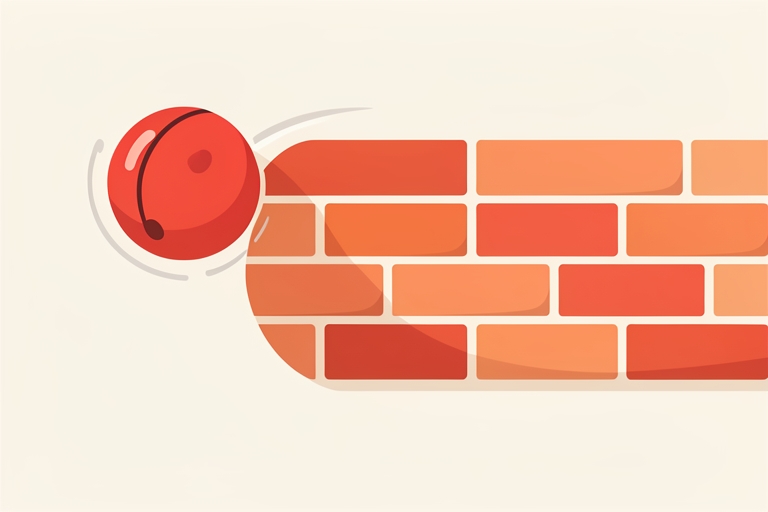

Finally it bends again as it leaves the drop, and the colours spread out even more.
Your eye catches red from drops higher up and violet from drops lower down, so you see bands of colour. That is why a rainbow always shows red on the outside and violet on the inside.
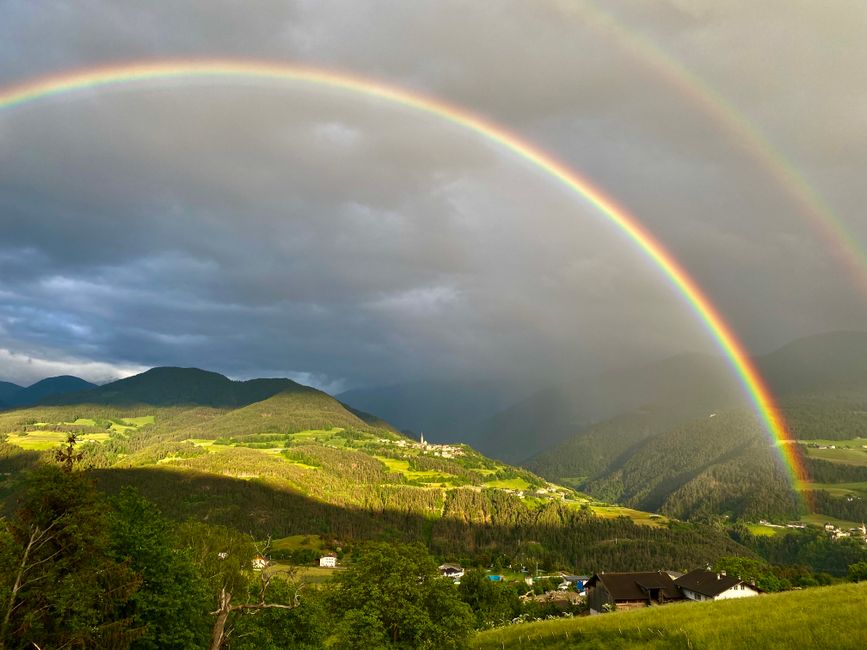
Rainbows appear opposite the Sun, so stand with the Sun behind you and look at the rain. Sometimes light bounces twice inside the drops, making a fainter second rainbow outside the first. Quick check to see what you remember.
- A double rainbow
Rainbows happen because water drops bend, bounce and split sunlight into its hidden colours, with red outside and violet inside.
- Bend, bounce, split = rainbow
Quick quiz
Q1. Which colour is on the outside of a main rainbow?
Red bends least, so it appears on the outer edge.