How the eye sees
Transcript
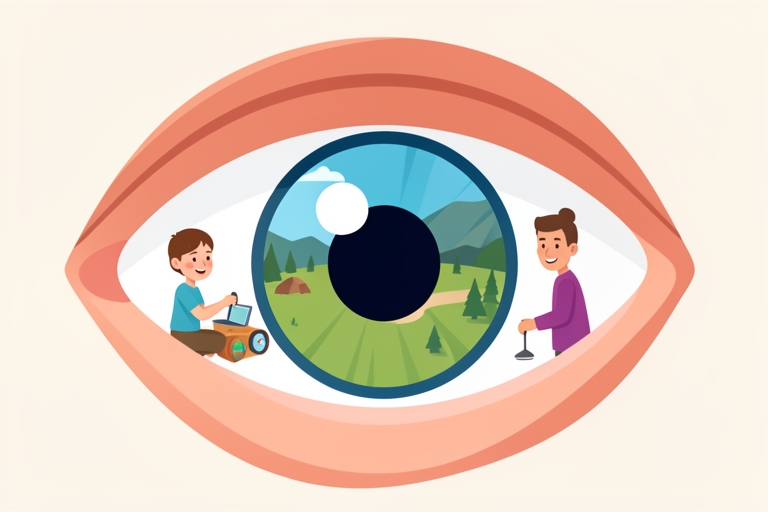
How does a tiny eye turn light into pictures?
Your eye is like a living camera. Light comes in, gets focused, and a picture forms inside.
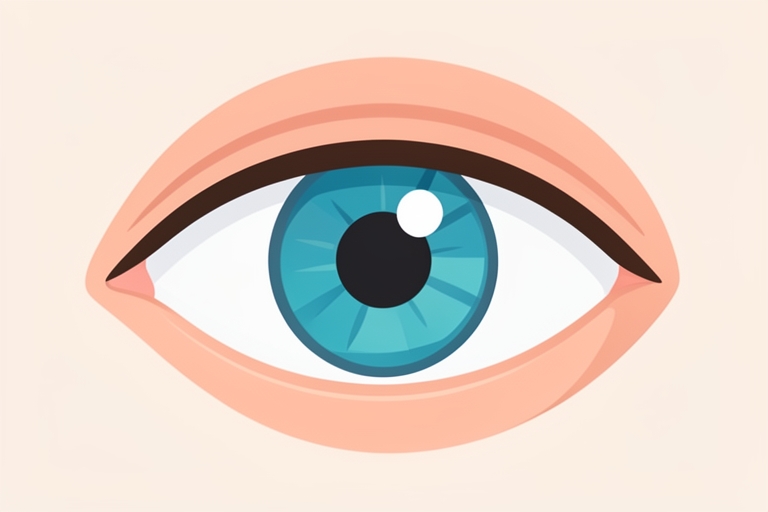
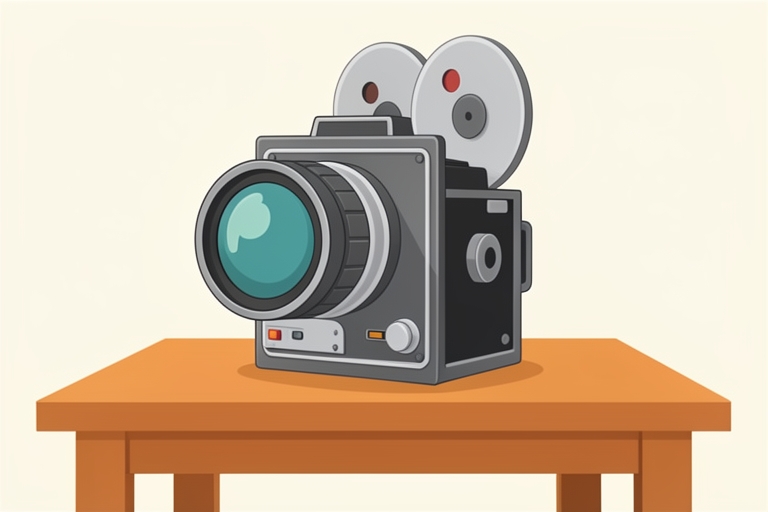
Here is the real eye, cut open. Look for the front, the middle, and the back.
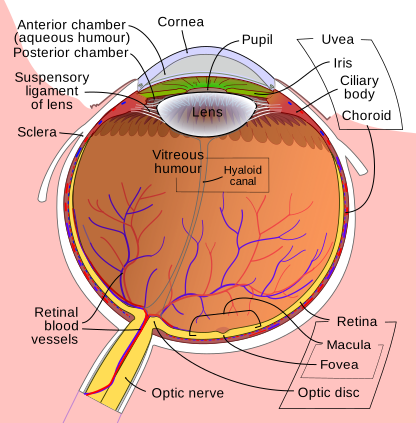
Light first hits the cornea, the clear window at the front. It does most of the bending of light. Next is the pupil, a black hole in the coloured iris. It decides how much light gets in.
- Cornea = clear front window
- Iris + pupil control light
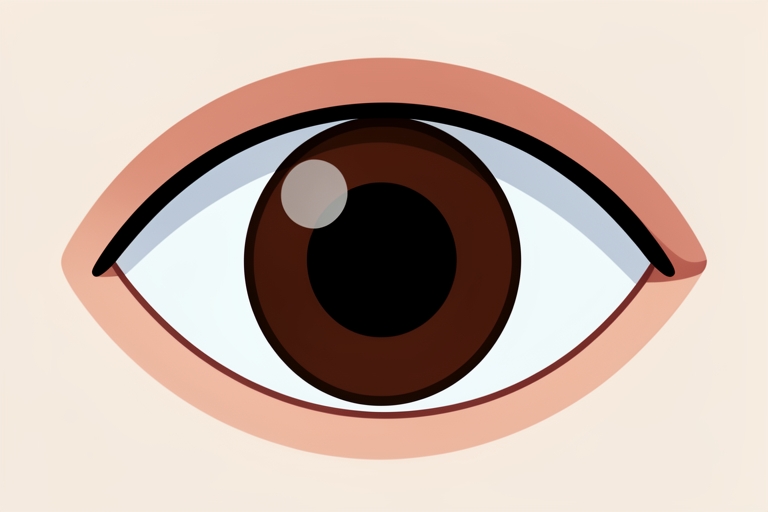
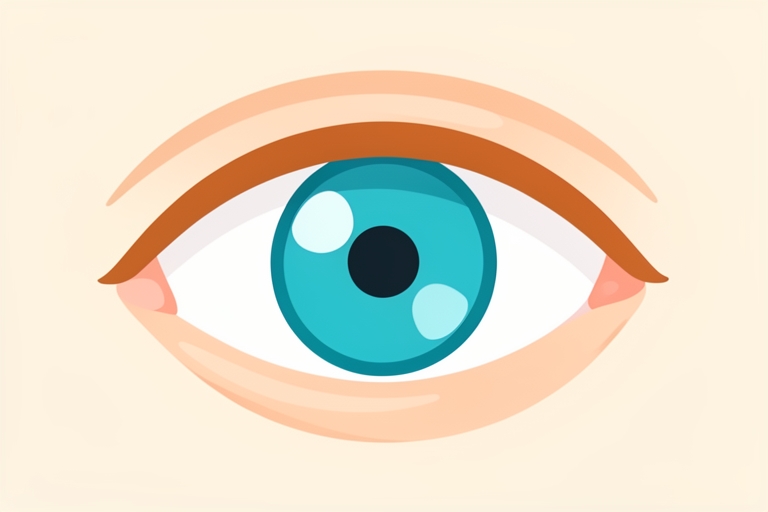
Behind the pupil sits the lens. It fine tunes the focus, like turning the ring on a camera. The light lands on the retina, the screen at the back of your eye. The picture is upside down!
- Lens focuses the light
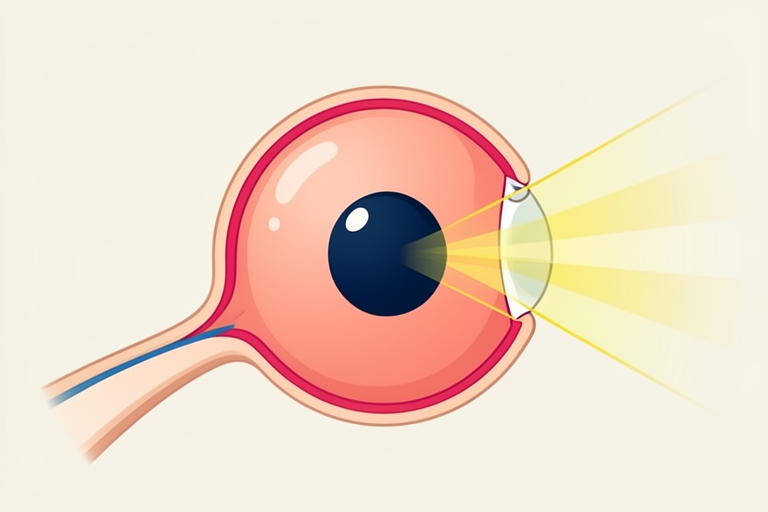
The retina is full of special cells. Rods see dim light, and cones see colour.
These cells turn light into tiny electrical signals, the language your brain understands.
The optic nerve is the cable that carries those signals from the eye to the brain.
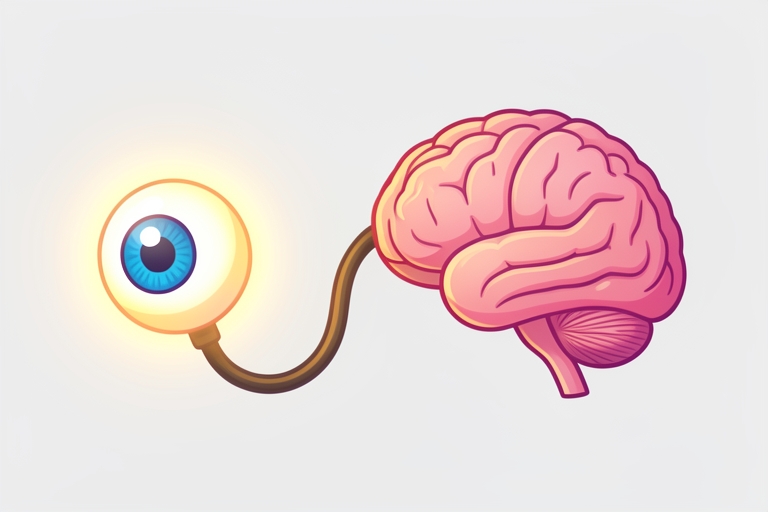
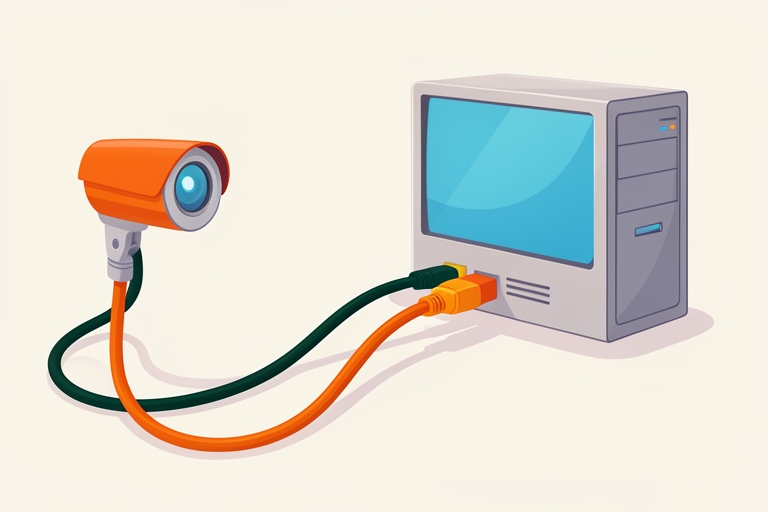
The brain flips the upside down picture the right way up, and you understand what you see.
Let us follow one example. You look at a red apple on a table.
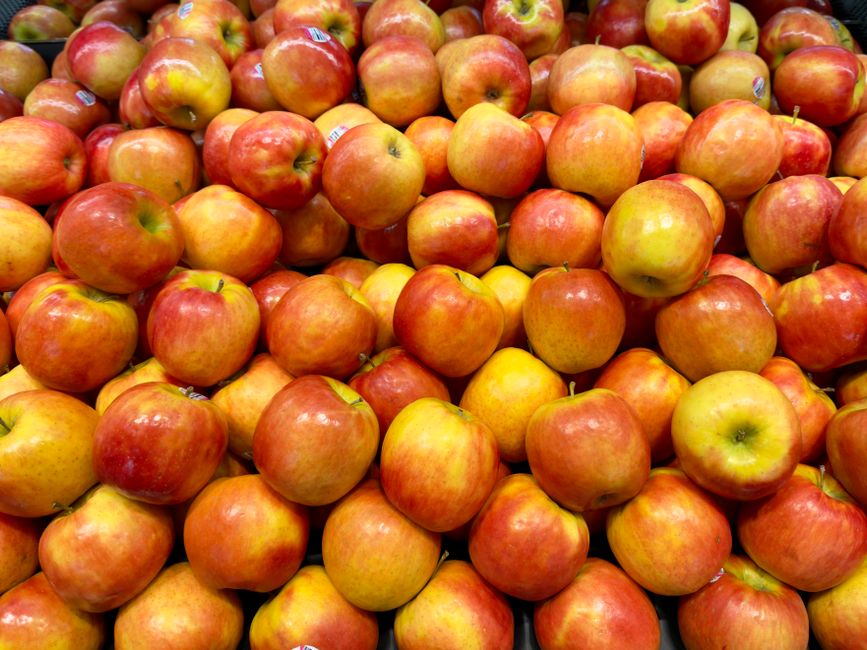
Light bounces off the apple, passes the cornea, pupil and lens, and lands on your retina.
Quick check! Which part is the screen at the back where the picture forms? So light enters the eye, gets focused onto the retina, and the brain turns the signals into a picture.
Quick quiz
Q1. Where does the image form inside the eye?
The retina is the light-sensitive screen at the back of the eye.