How the heart pumps blood
Transcript
How does your heart pump blood around your body every single day?
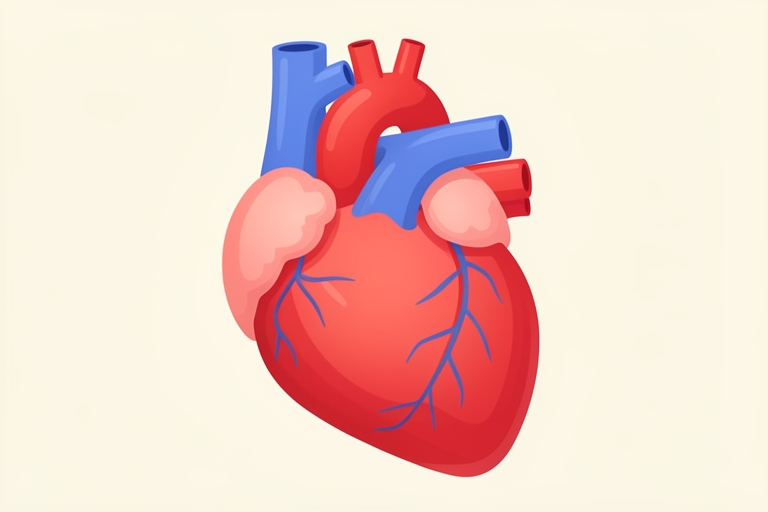
Your heart is a muscular fist-sized organ with four chambers: two atria on top, two ventricles below.
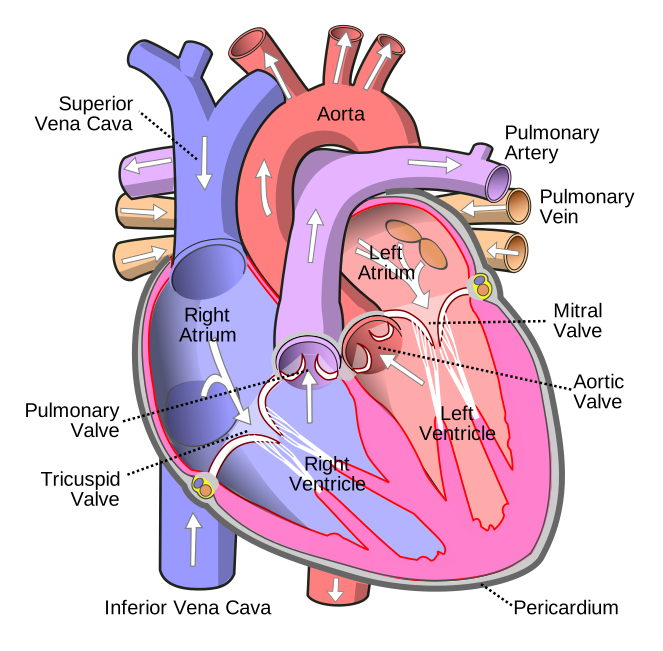
Blood enters the right atrium from your body, then flows down into the right ventricle.
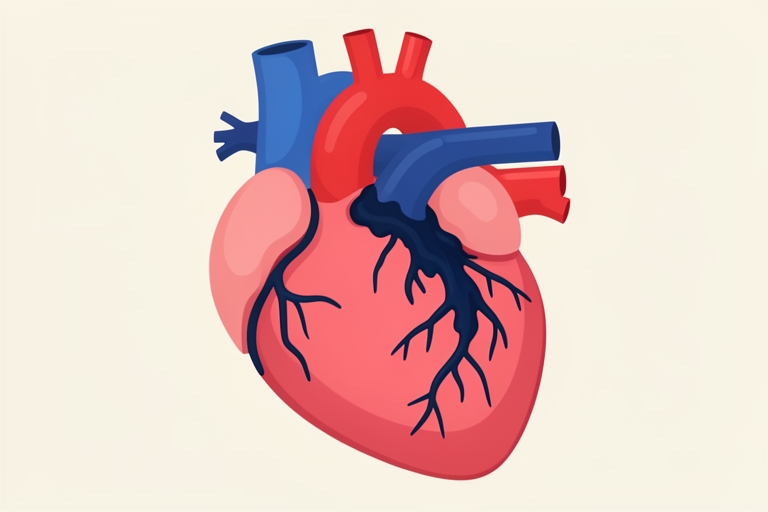
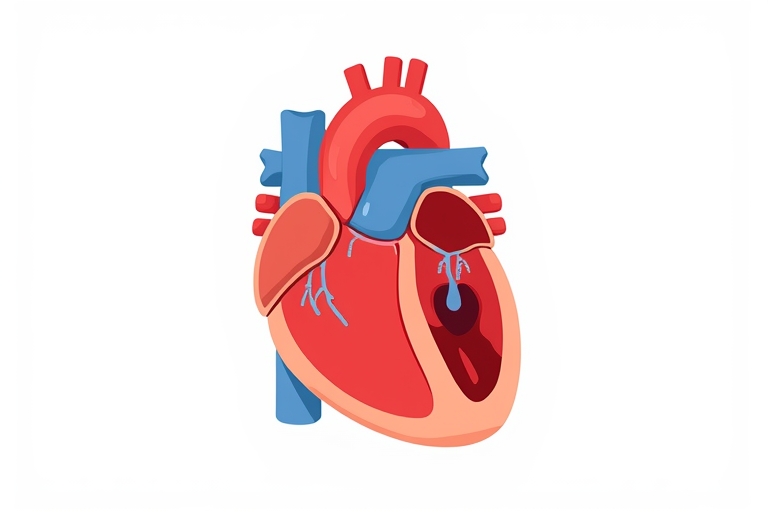
When the right ventricle squeezes, it pushes blood out to the lungs through the pulmonary artery.
In the lungs, blood picks up fresh oxygen and releases carbon dioxide waste.
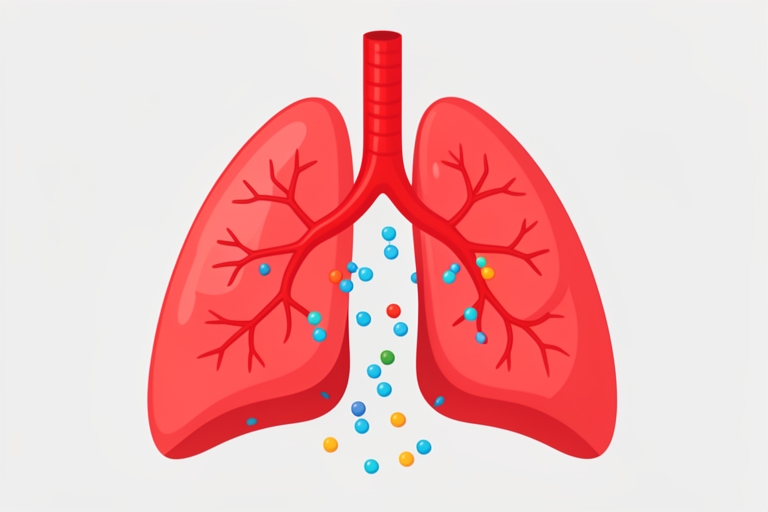
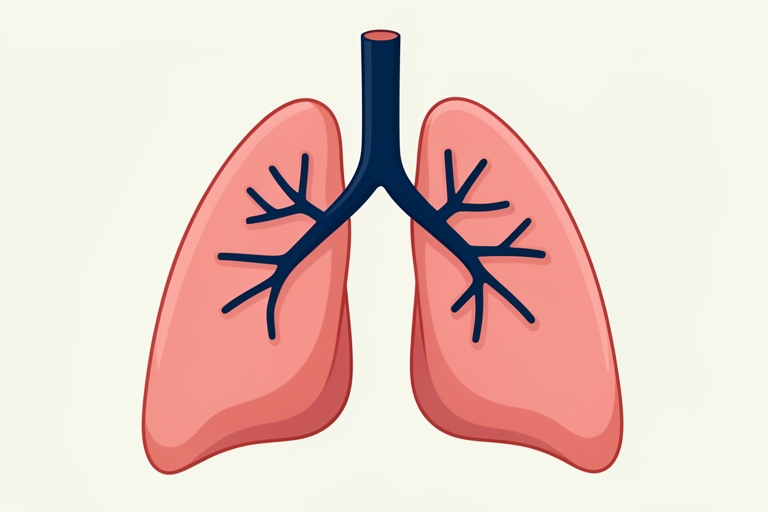
Fresh oxygenated blood returns to the left atrium through the pulmonary veins.
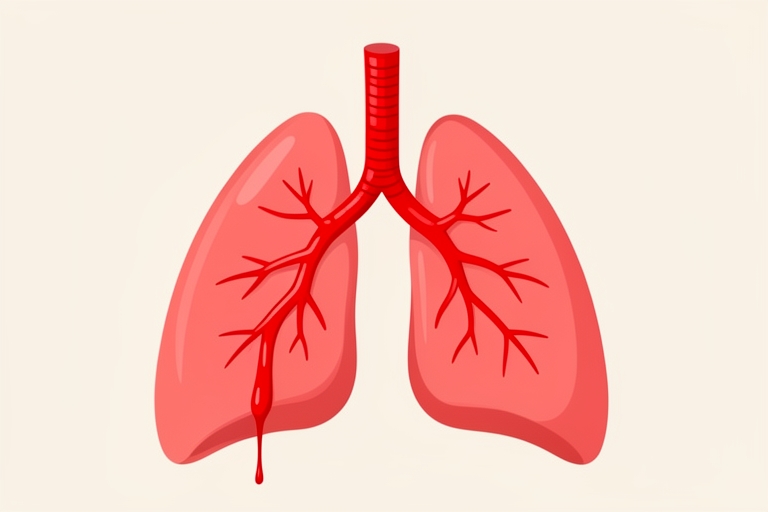
The left atrium contracts and pushes blood down into the left ventricle. The left ventricle is the strongest chamber because it must pump blood to your entire body.
- Left side handles oxygenated blood
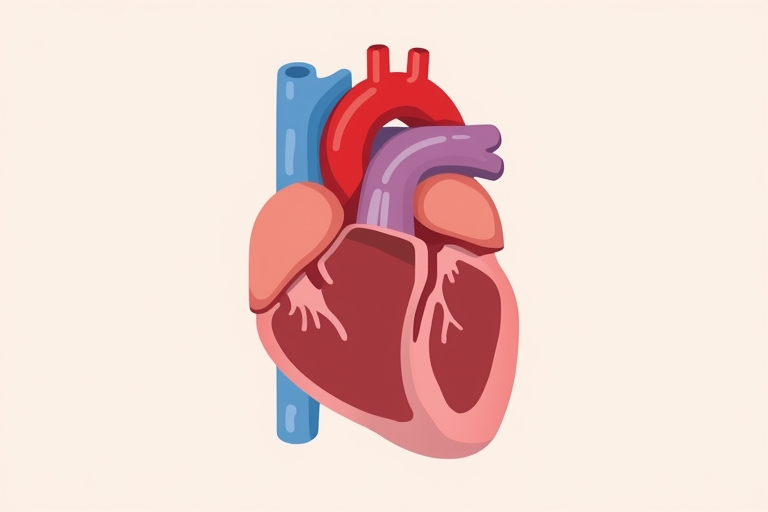
One-way valves stop blood from flowing backward, keeping the flow moving forward only. This whole cycle repeats about seventy times every minute, day and night, your whole life.
Let's trace one drop of blood: it starts in your foot, enters the right atrium, goes to the lungs, returns to the left side, then gets pumped out to your foot again. The heart wall has three layers: the outer epicardium, thick muscular myocardium, and inner endocardium. The whole heart sits inside a protective sac called the pericardium, with a tiny bit of fluid inside.
- One complete cycle takes about one second
- Pericardium protects and lubricates
Quiz: Which chamber has the thickest muscle and why? Your heart is a four-chambered pump with one-way valves that sends oxygen-rich blood to every cell.
Quick quiz
Q1. Which chamber has the thickest muscle and why?
The left ventricle needs the strongest muscle to pump blood everywhere in your body.