How the stomach digests food
Transcript
Where does your lunch go after you swallow it?
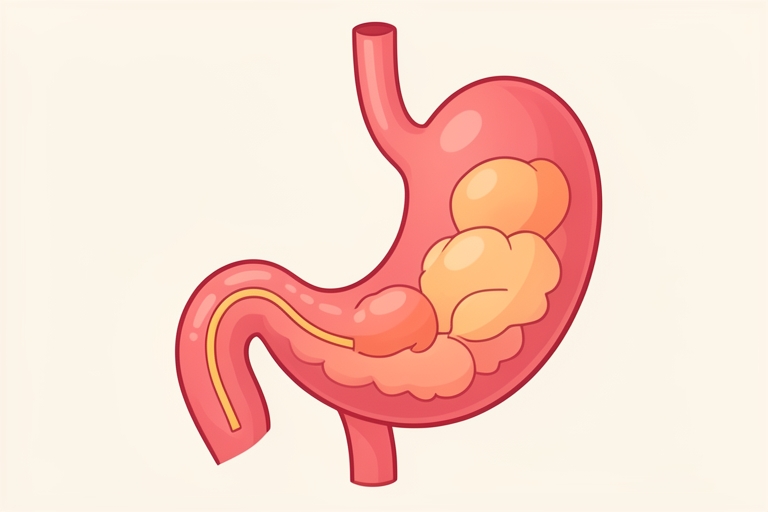
Food slides down a tube called the esophagus and lands in the stomach, a stretchy muscular bag.
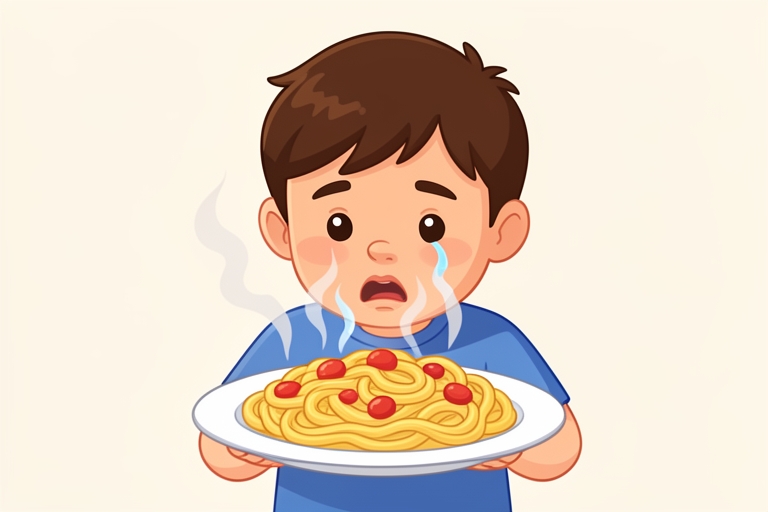
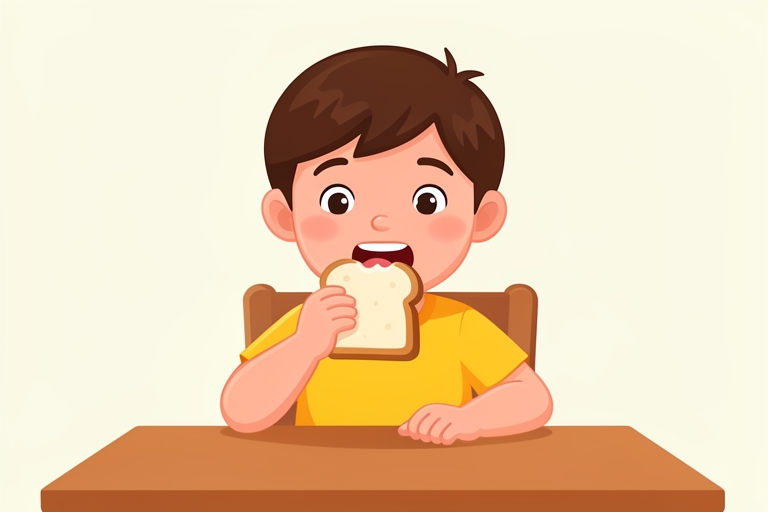
Digestion starts before the stomach. Seeing, smelling and chewing food tell your body to get ready.
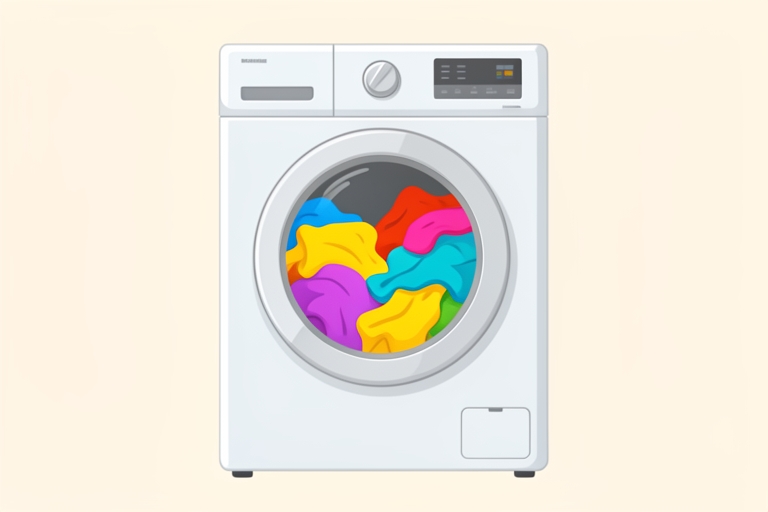
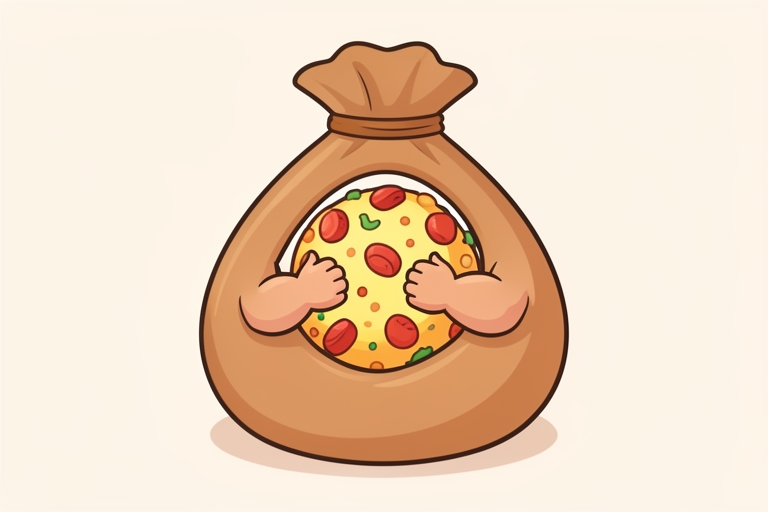
Once food arrives, the stomach squeezes and churns it, like a washing machine mixing clothes.
- Churning = physical breakdown
The stomach wall also makes strong acid and special helpers called enzymes. They break food down chemically.
Acid is sour, like a lemon, only much stronger. It helps enzymes work and kills many germs.
- Acid + enzymes = chemical breakdown
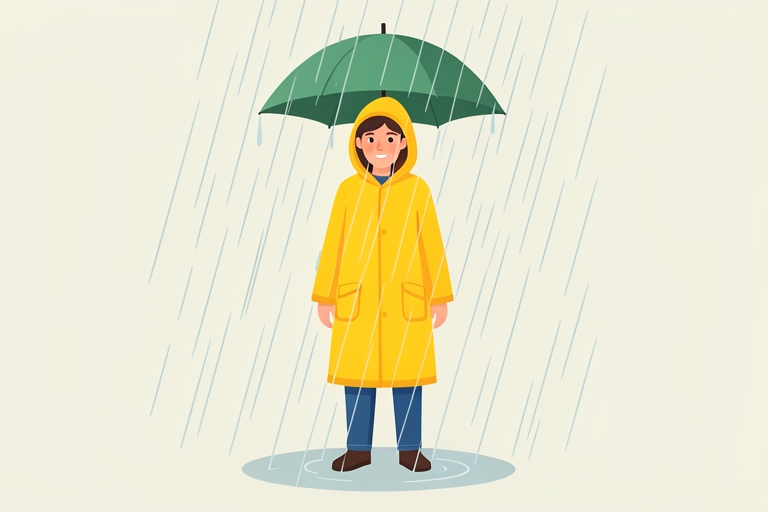
Wait, why doesn't the acid burn the stomach itself? A thick layer of mucus coats the wall like a raincoat.
- Mucus protects the wall
After a few hours, your meal becomes a thick soupy liquid called chyme.
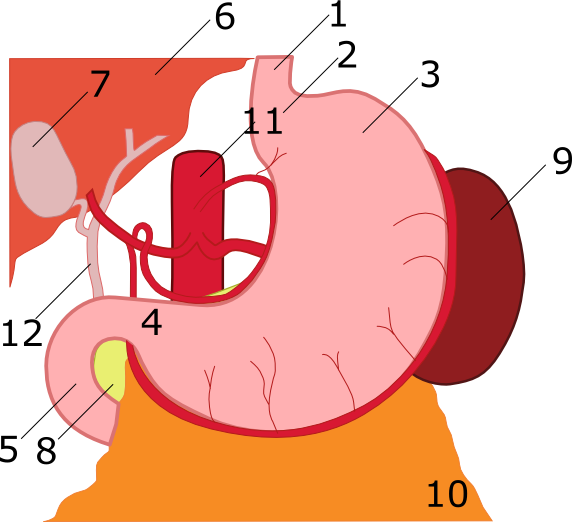
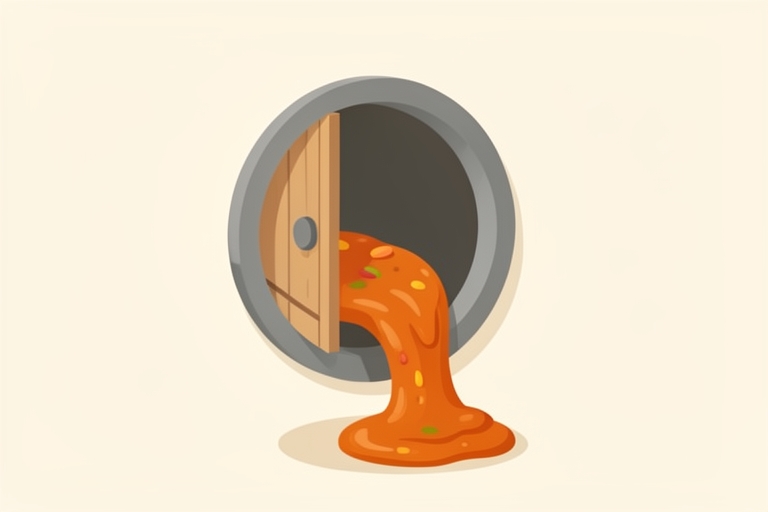
At the bottom is a little muscle door, the pyloric sphincter. It lets chyme out slowly, a bit at a time.
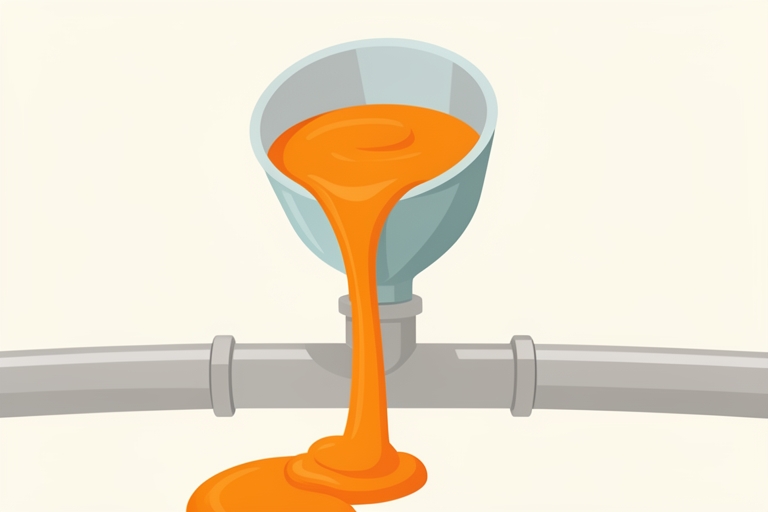
Chyme then enters the duodenum, the first part of the small intestine, where the digestion journey continues.
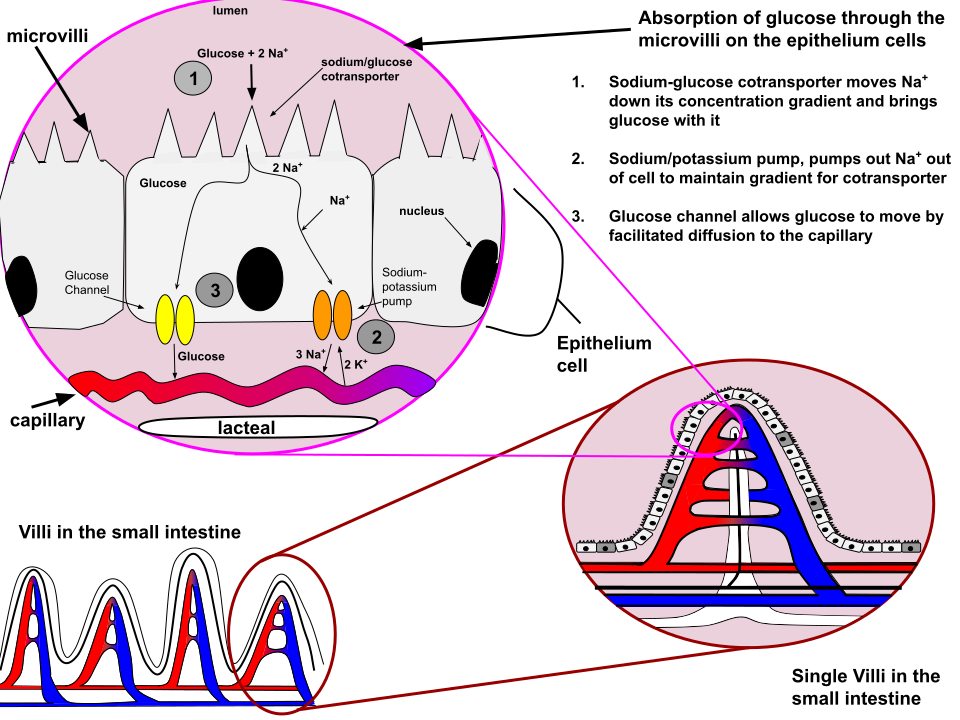
Muscle waves called peristalsis push the food along through the rest of the intestines.
- Peristalsis = muscle waves
Here is the whole story in order, from first bite to the small intestine.
Quick check! What lets chyme leave the stomach slowly? In short, the stomach churns food, mixes it with acid and enzymes, and releases the soupy chyme slowly.
Quick quiz
Q1. What controls chyme leaving the stomach?
The pyloric sphincter is a muscle door that releases chyme into the duodenum.