How vaccines train your body
Transcript
What if your body could practise fighting a germ first?
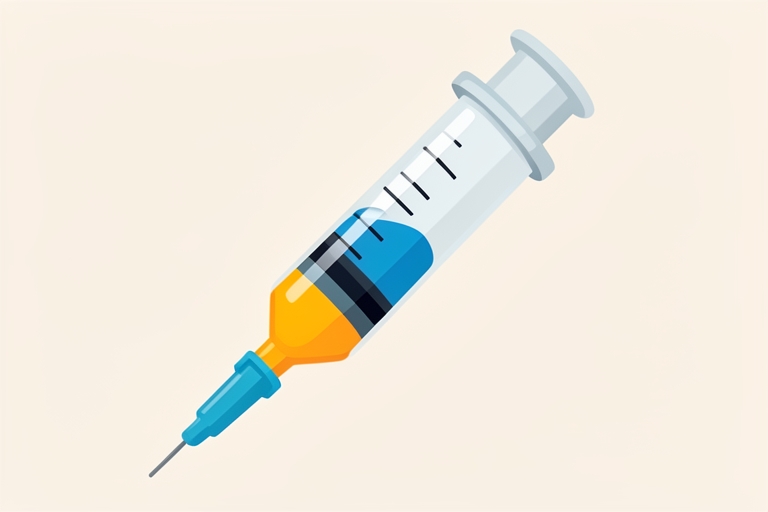
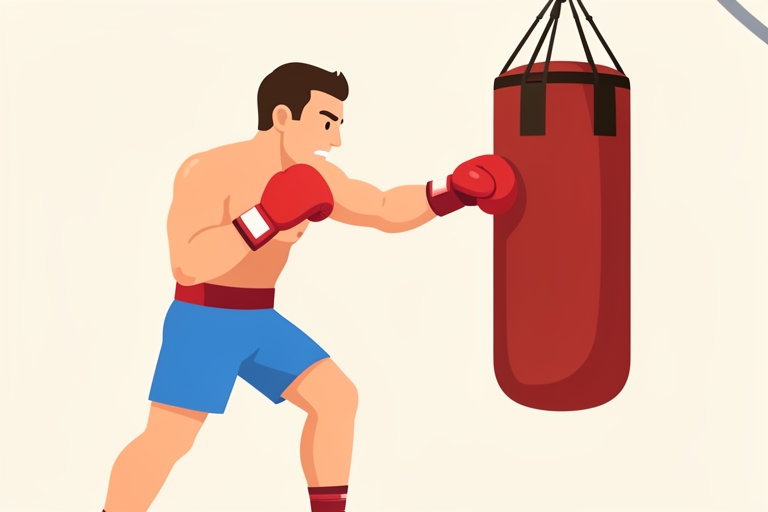
Imagine a boxer who trains with a practice dummy before the real fight. A vaccine is that dummy for your body.
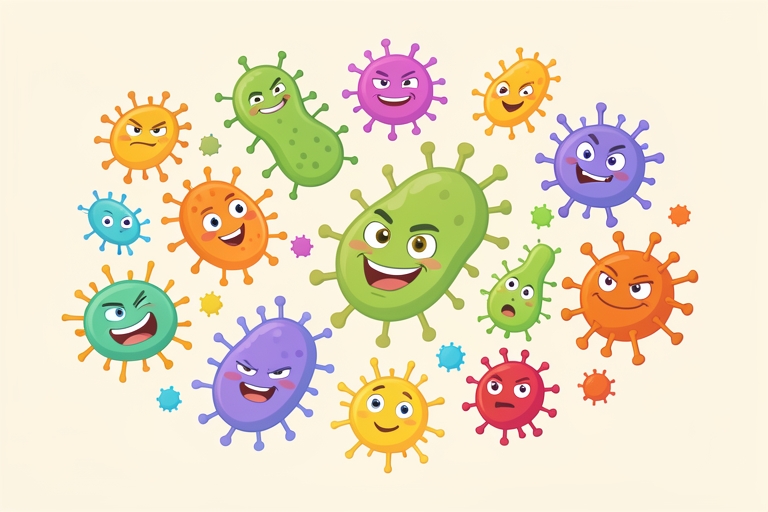
First, meet the enemy: germs like bacteria and viruses that make us sick when they get inside us.
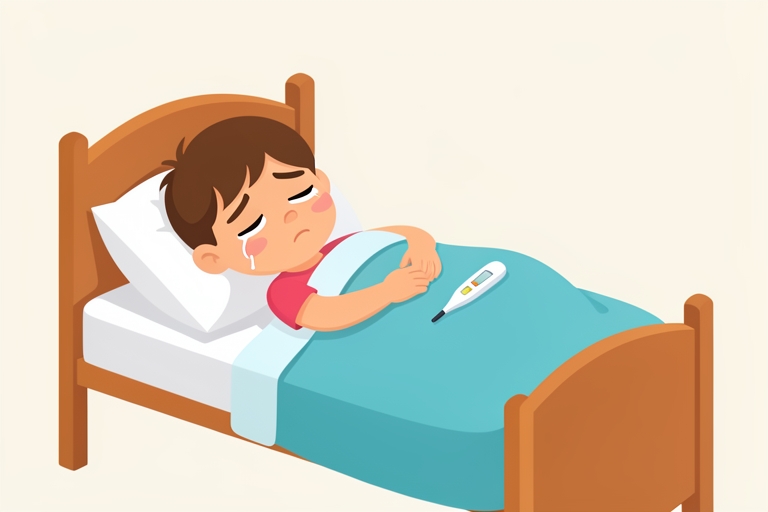
Your immune system is the body's defence team, made of special white blood cells that hunt germs. The trouble is, the first time a new germ arrives, your body is slow, because it has never seen it before.
- A white blood cell
- Immune system = body's defence team
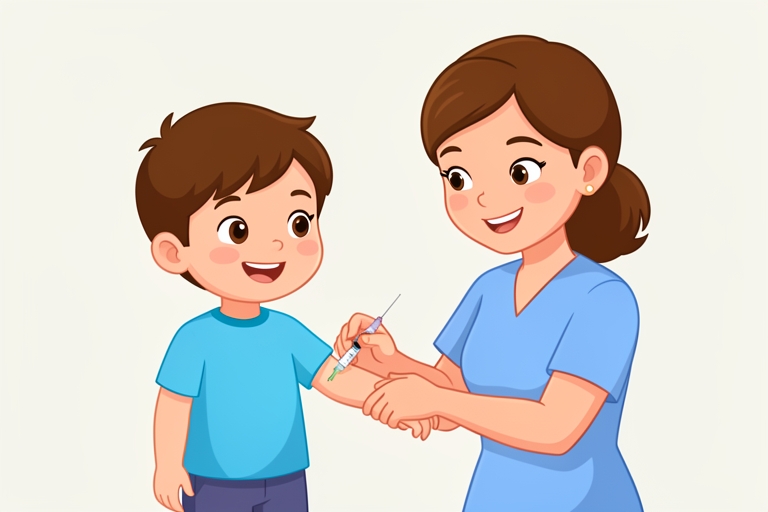
A vaccine fixes that. It holds a harmless copy of the germ, like a weakened or killed piece of it.
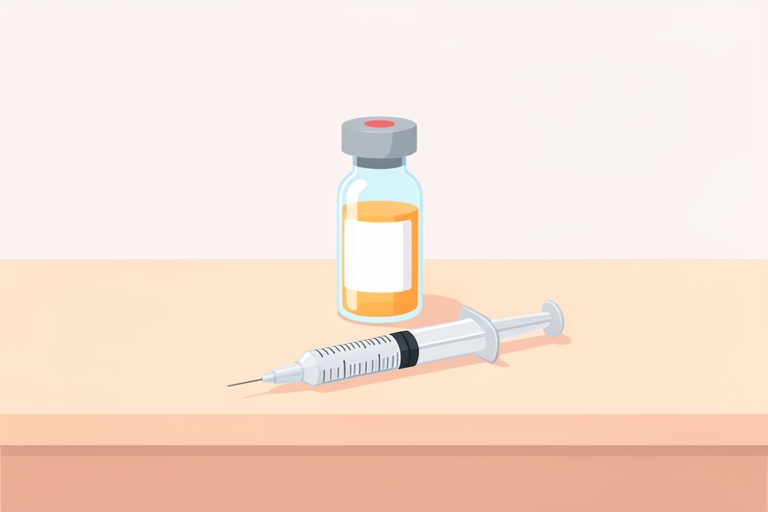
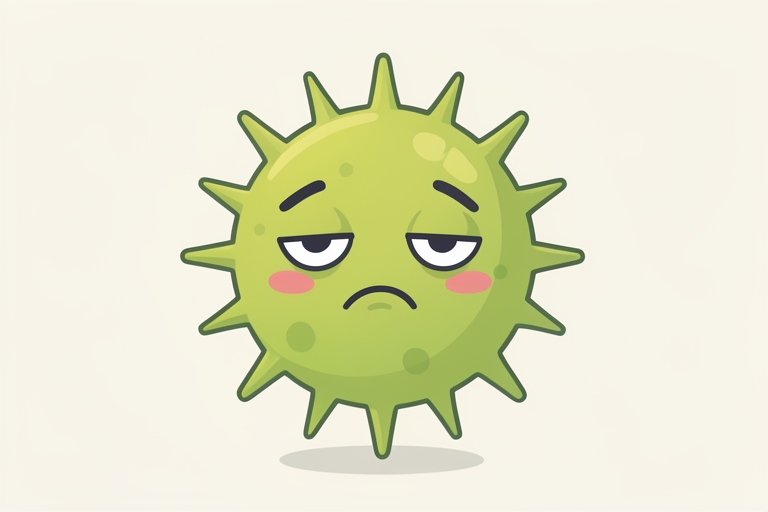
Because the copy cannot make you really sick, your body can safely study it.
Your white blood cells spot the strange invader and sound the alarm.
Then your body builds antibodies, tiny tools shaped to grab onto that exact germ.
- Antibodies lock onto the germ
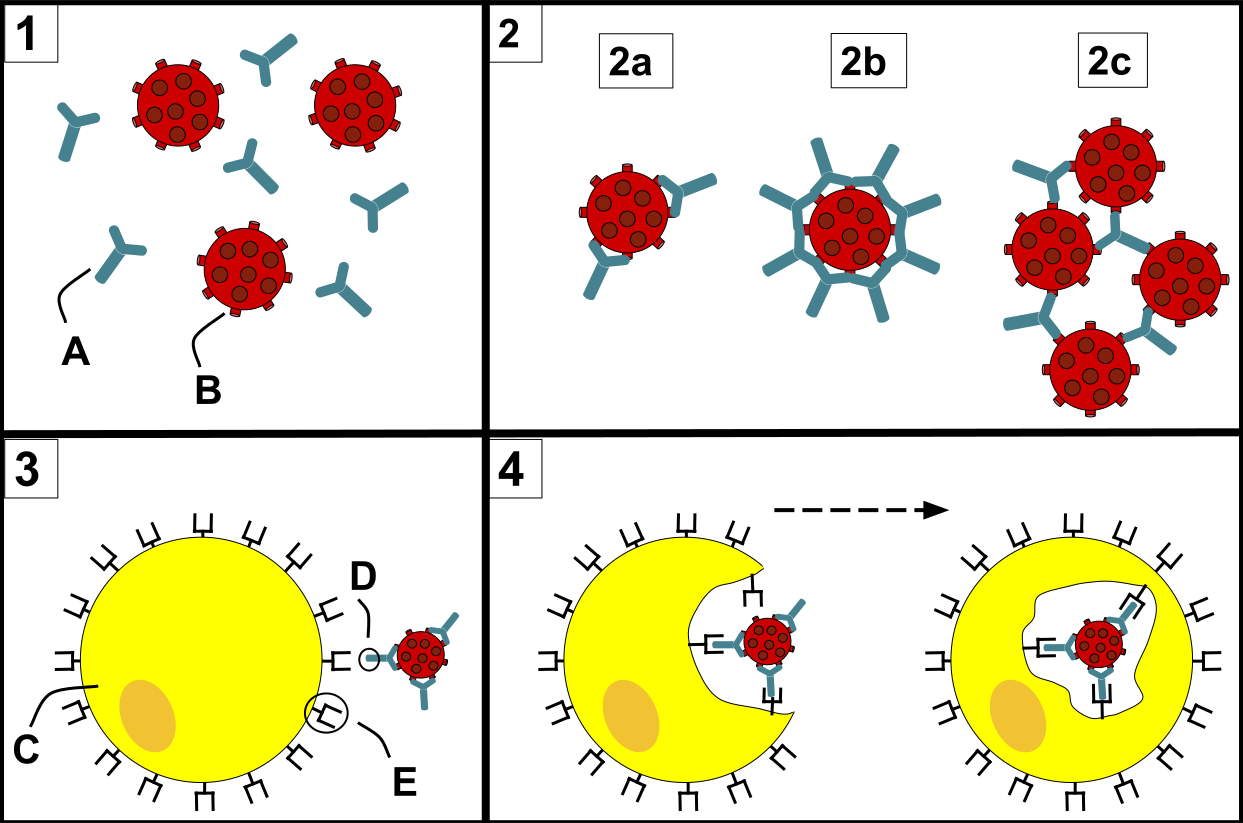
Best of all, some cells become memory cells, which remember the germ for years.
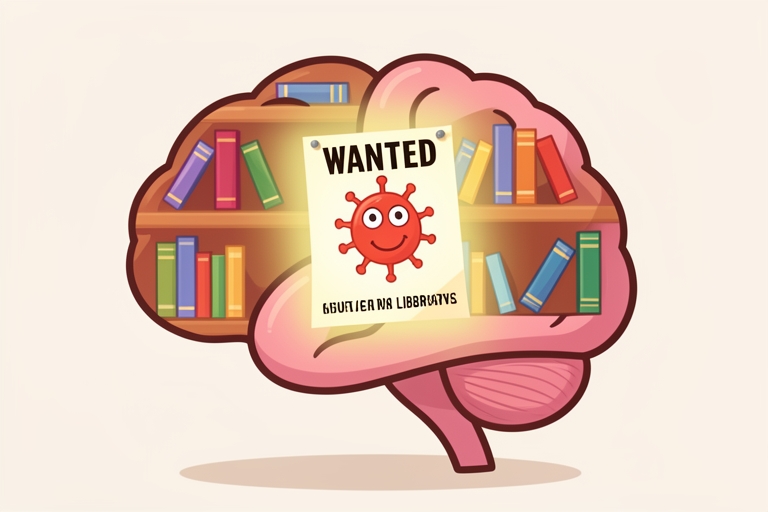
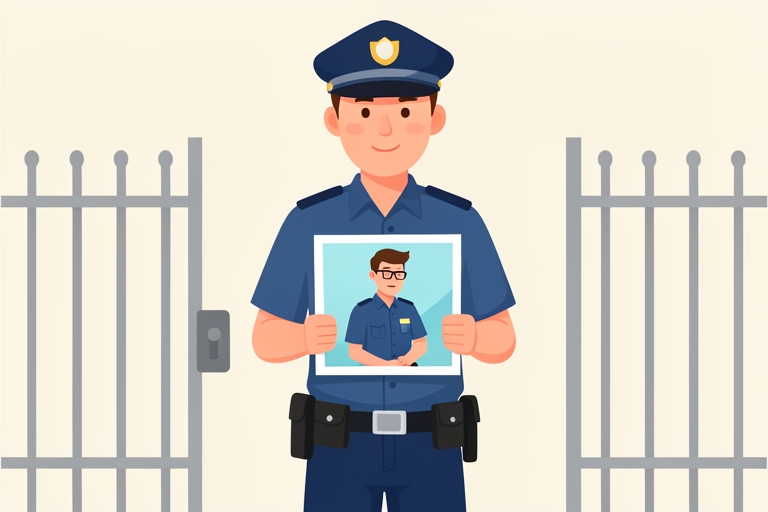
Now meet the real germ. Your body knows it already, so it answers fast and strong.
Compare the two fights: without a vaccine your body is slow, with one it is ready.
This works wonders. Vaccination helped wipe out smallpox and keeps diseases like polio and measles away.
- Smallpox: wiped out worldwide
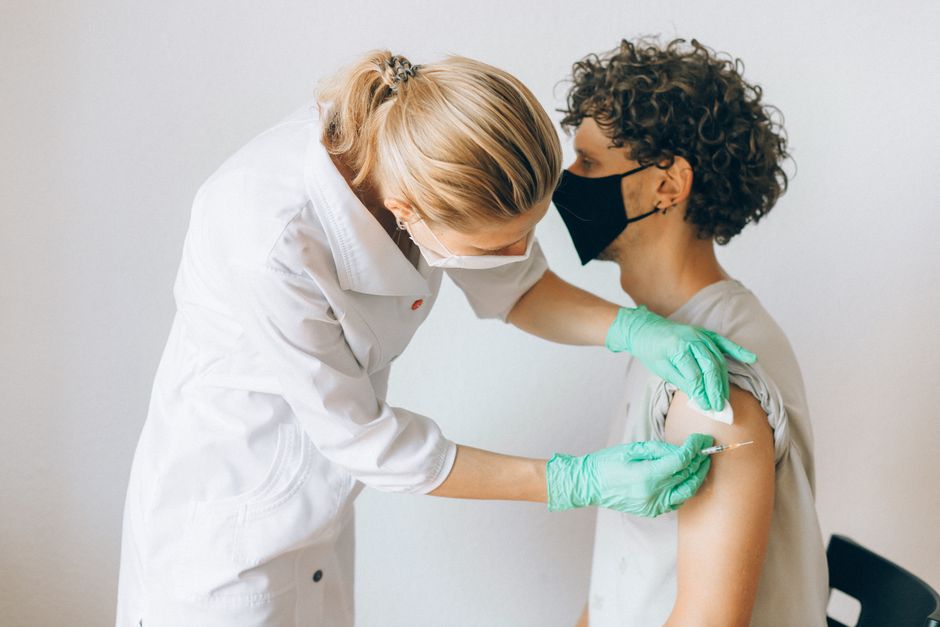
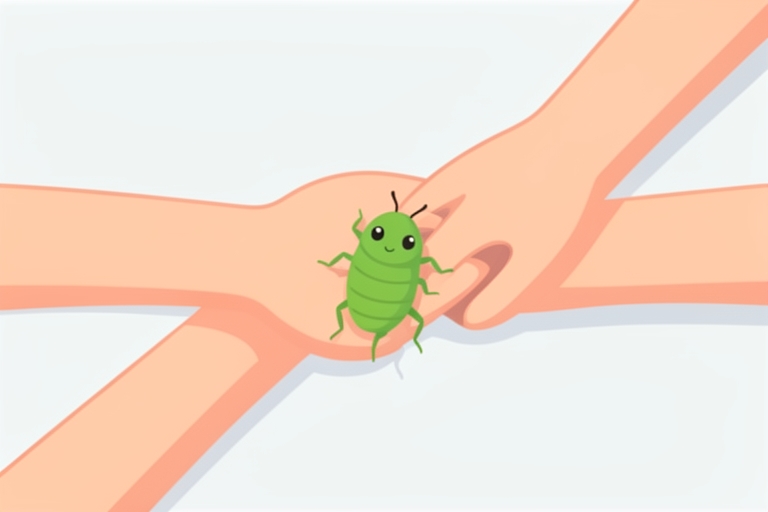
When many people are vaccinated, germs struggle to spread, which also protects people who cannot be vaccinated.

Quick check to see what you remember. In short: a vaccine shows your body a safe copy of a germ, so it is ready to fight the real one.
- Safe copy + memory = ready defence
Quick quiz
Q1. What do memory cells do after a vaccine?
Memory cells remember the germ so your body can fight it fast next time.