Why bread rises
Transcript
How does flat sticky dough turn into soft, fluffy bread?
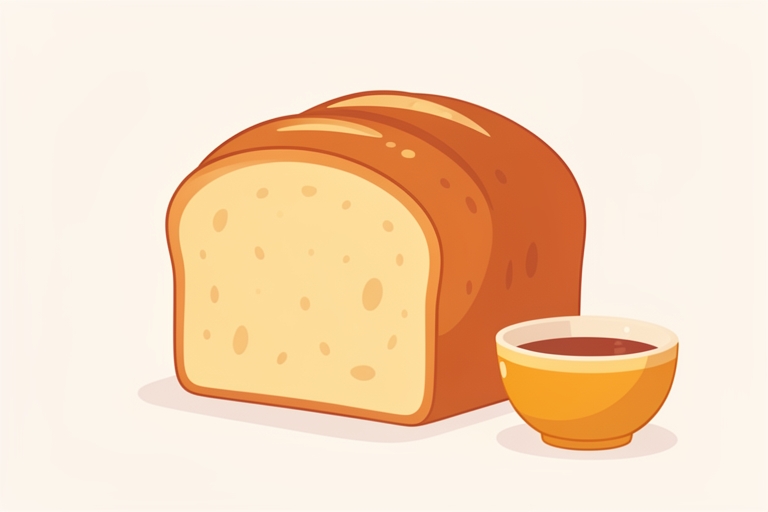
It starts with just three plain things: flour, water, and a pinch of tiny living yeast.
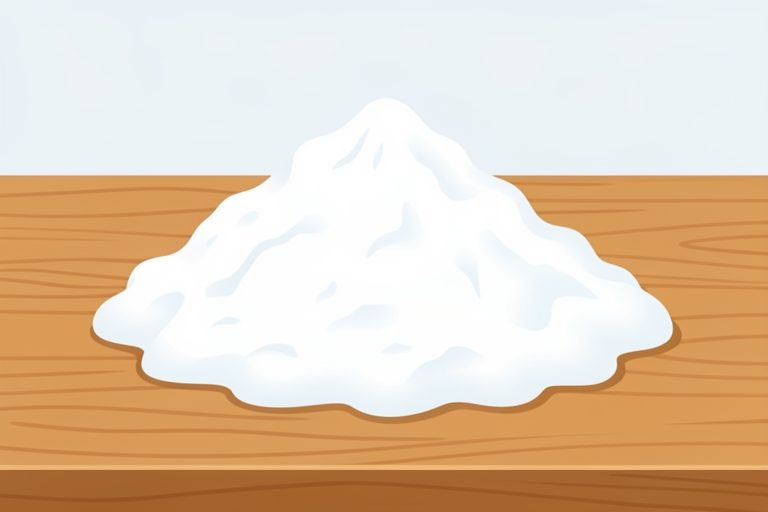

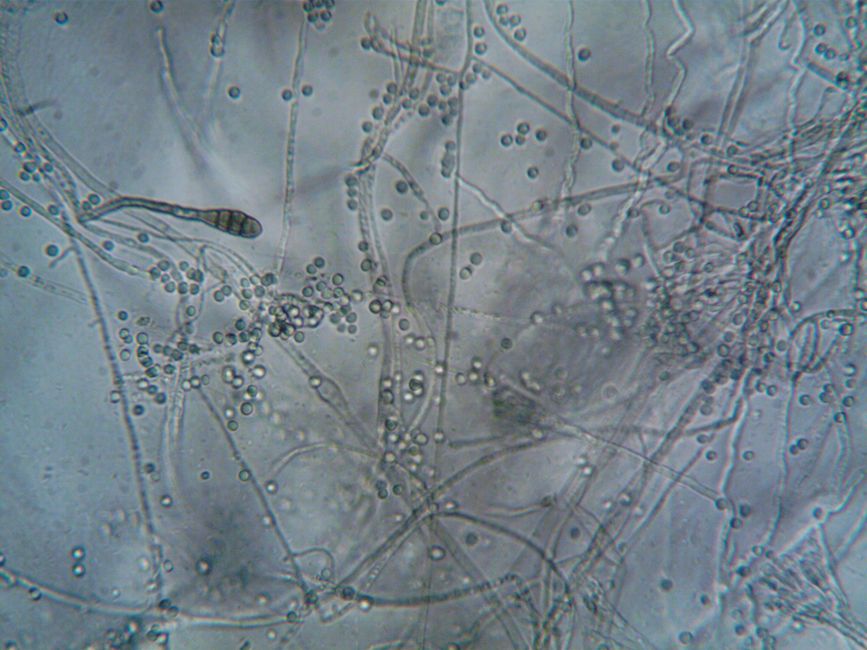
Yeast is a tiny living thing, a microbe, so small you can only see it with a microscope.
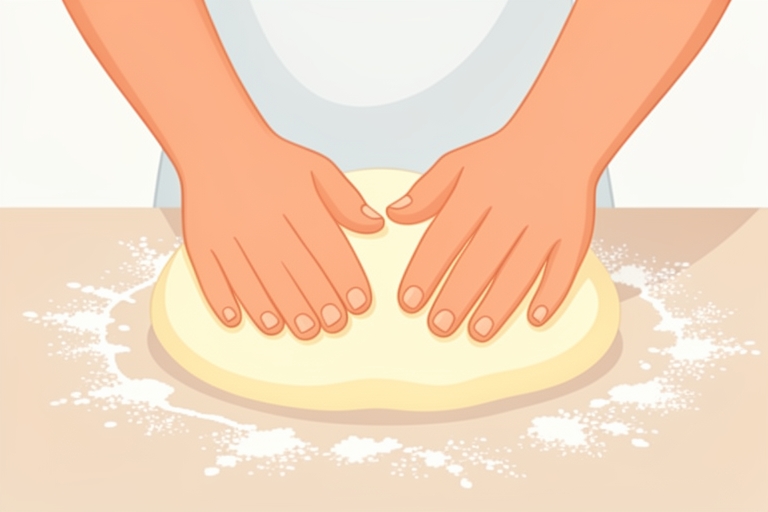
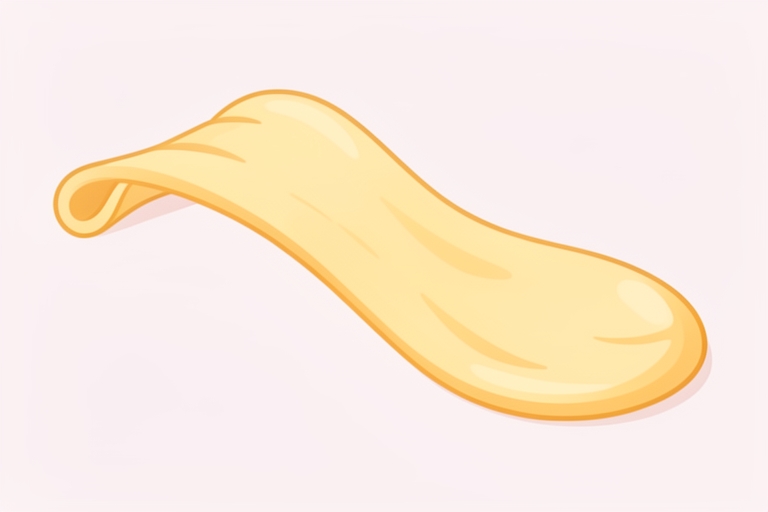
When you knead the dough, the flour and water make stretchy strands that hold everything together.
- Kneading = stretchy dough
Now the yeast wakes up in the warm, wet dough and starts to eat the sugar in the flour.
After eating, the yeast breathes out a gas called carbon dioxide, just like a tiny burp.
The gas makes thousands of tiny bubbles. Think of blowing air into a balloon.

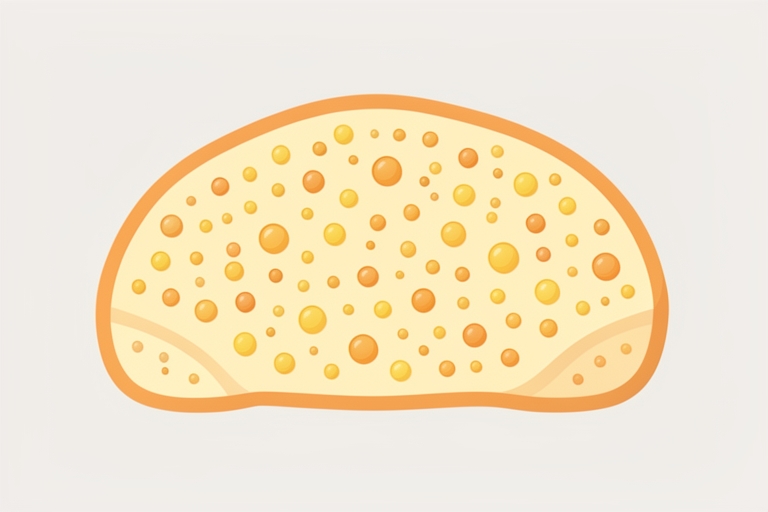
The stretchy dough traps the bubbles, so the dough puffs up bigger and bigger, like a balloon.
Bakers leave the dough somewhere warm. Warmth makes yeast work faster, so it rises more quickly.
- Warm = faster rise
Here is a real example: a small ball of dough doubles in size after about one hour.
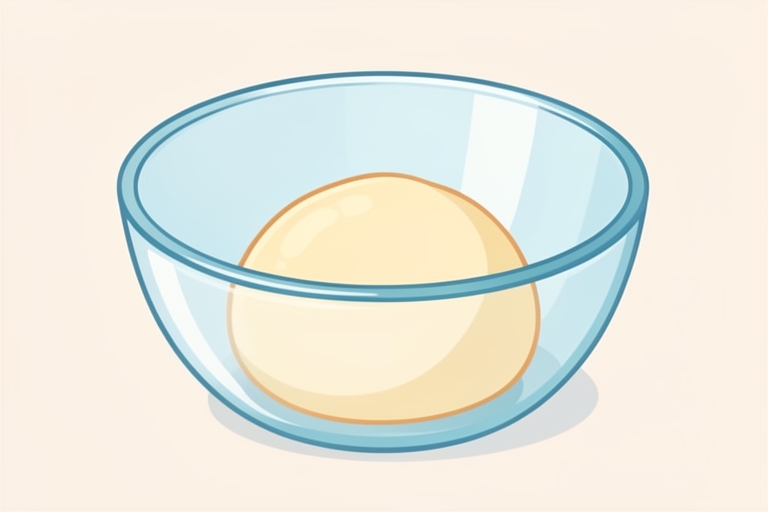
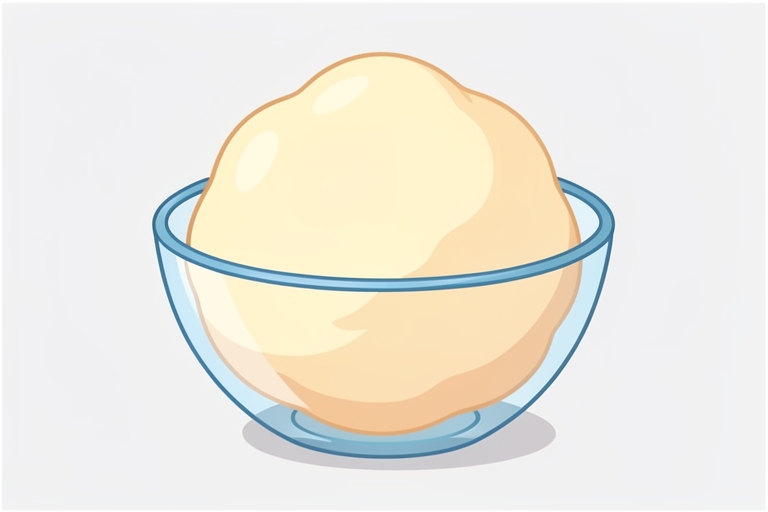
Then the oven's heat makes the bubbles swell even more, and the dough turns firm and golden.
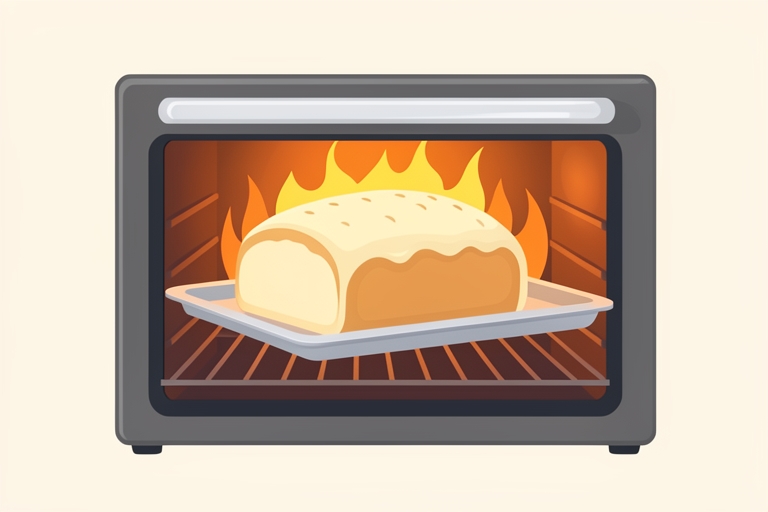
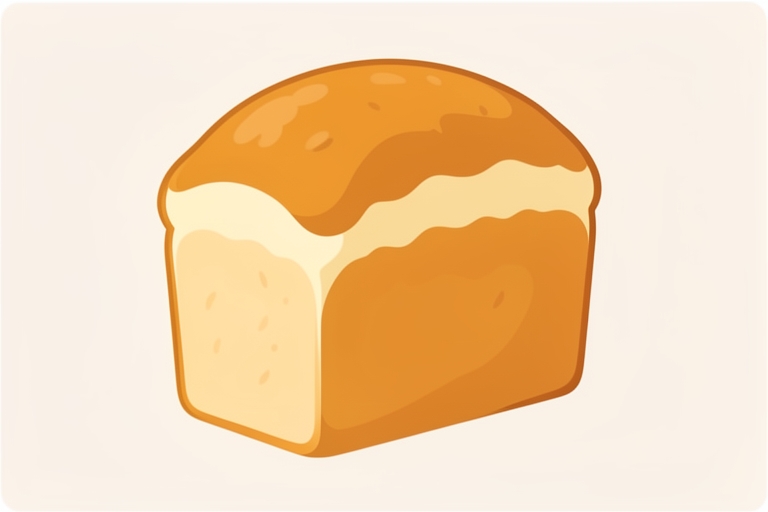
The heat also stops the yeast, and the bubbles stay behind as the soft little holes inside.
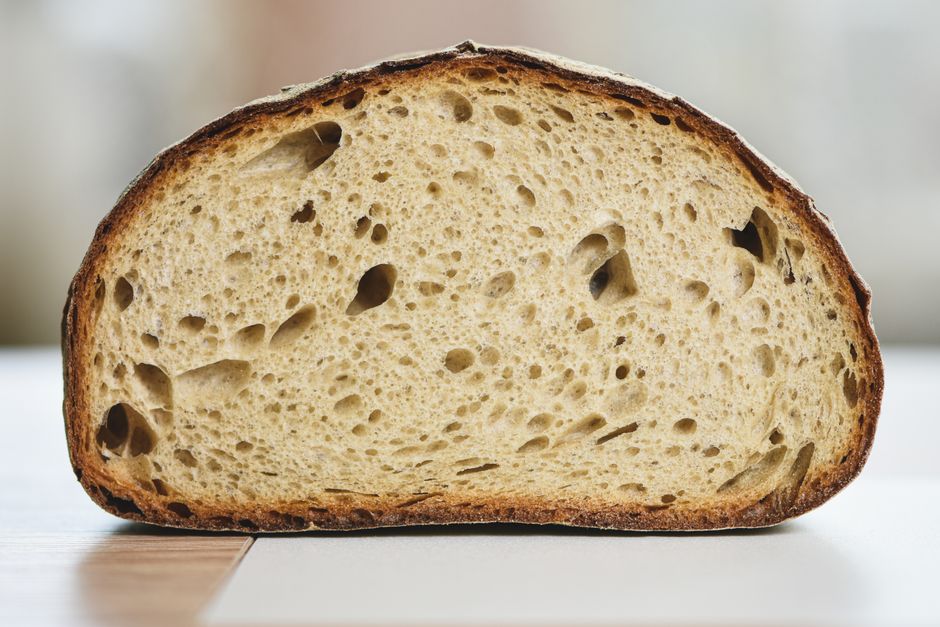
Other breads rise without yeast. Baking soda also makes gas, and sourdough uses natural microbes.
Time for a quick question to check what you learned. So bread rises because yeast makes gas, and stretchy dough traps the bubbles like a balloon.
Quick quiz
Q1. What makes bread dough puff up?
Yeast eats sugar and makes gas, and the stretchy dough traps the bubbles.