Why do volcanoes erupt?
Transcript
Why does a volcano suddenly explode and send lava into the sky?
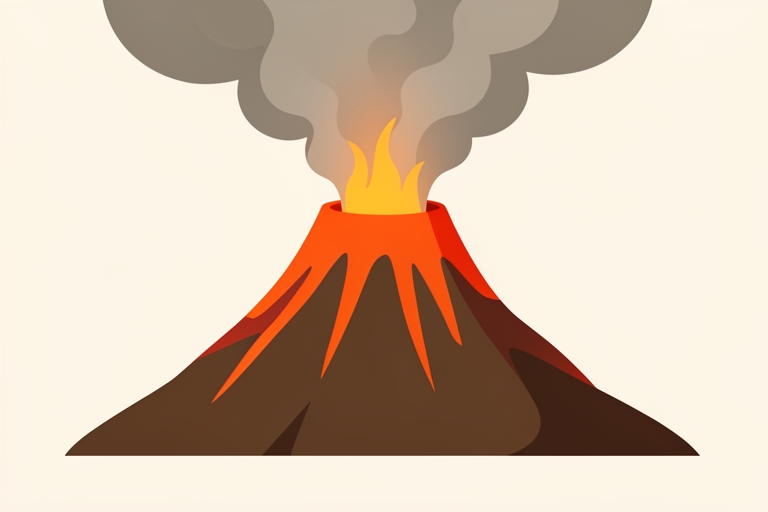
Deep underground, Earth is so hot that rock melts into a liquid called magma, which collects in chambers below the crust.
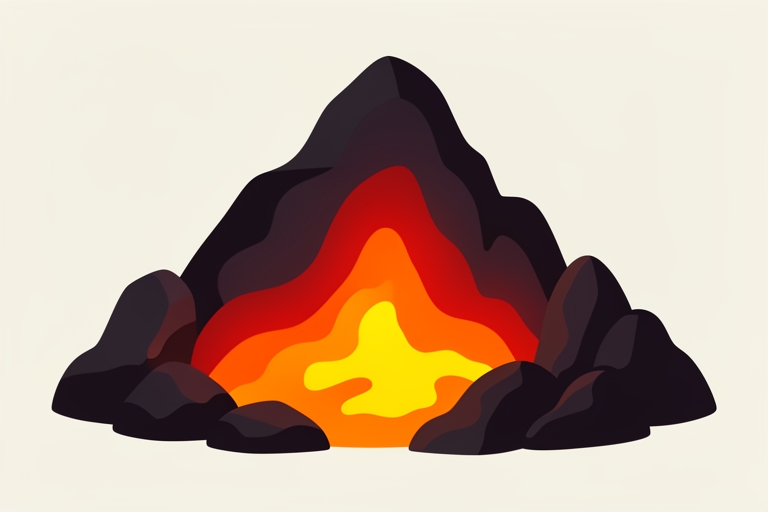

As magma heats up, dissolved gases inside it expand, pushing harder and harder against the rock above.
- Gases: water, carbon dioxide, sulfur

When the pressure becomes too strong, the rock cracks and gives way, like a lid popping off a shaken soda bottle.


Magma rushes up through the crack, reaches the surface, and erupts as lava, ash, and gas.
But not all volcanoes erupt the same way. It depends on where they form and what type of magma they have. At mid-ocean ridges, tectonic plates pull apart, and hot magma rises to fill the gap. This magma is thin and runny.
- Location and magma type matter
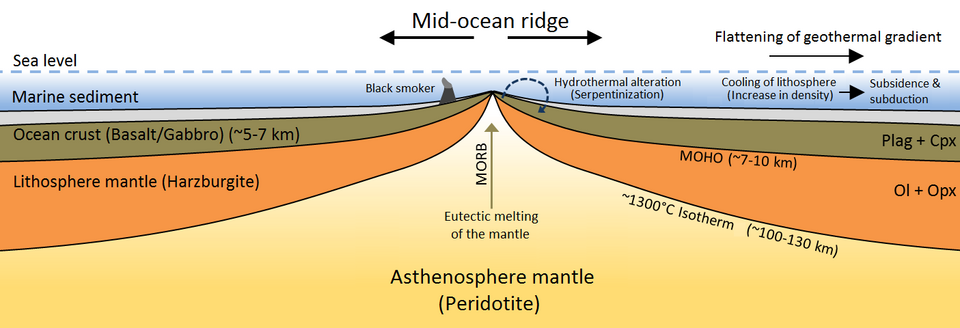
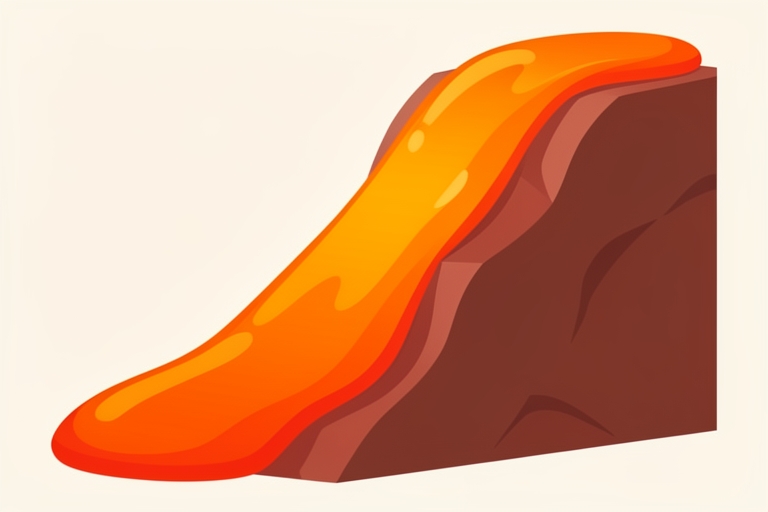
Runny magma lets gases escape easily, so eruptions are gentle and steady, not explosive.
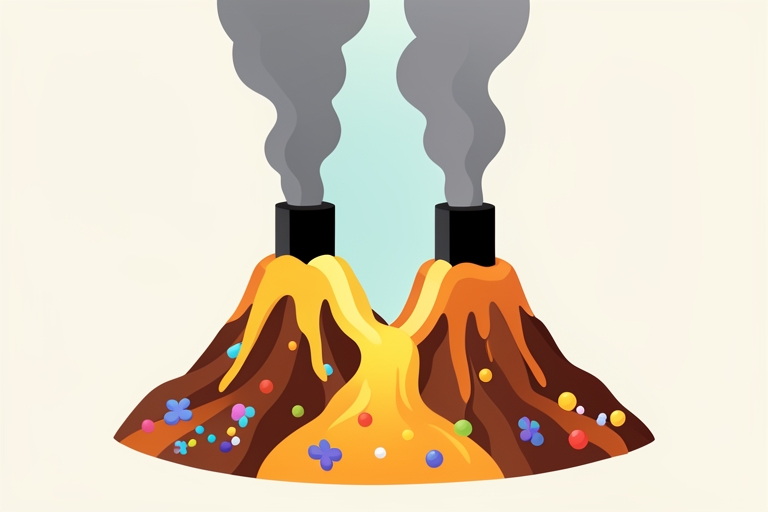
At the Pacific Ring of Fire, tectonic plates crash together and one plate slides under another in a process called subduction. The sinking plate melts deep down, creating thick, sticky magma that traps gases inside like a pressure cooker.
- Plate subduction
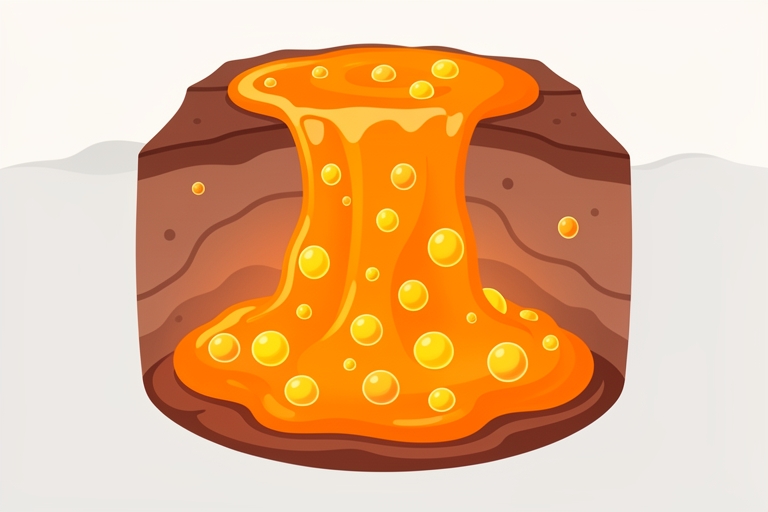
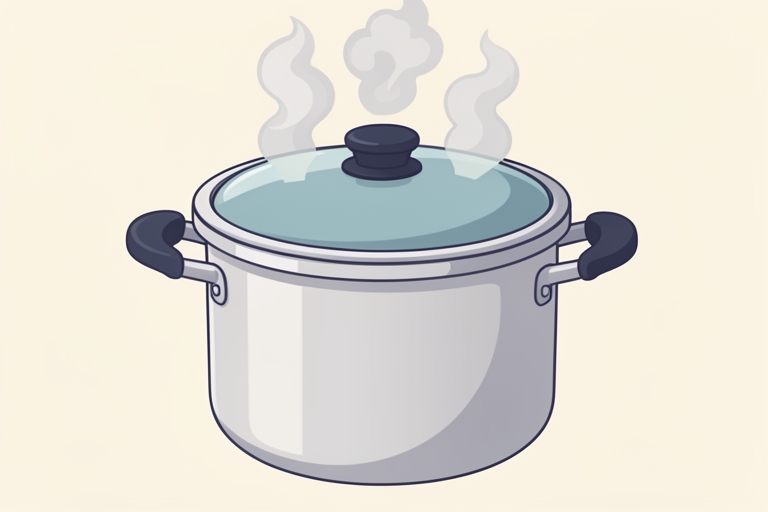
When pressure finally breaks the seal, gases explode violently, sending ash and rock high into the air.
- Thick magma = explosive
Some volcanoes form over hotspots, where a plume of hot rock rises from deep in Earth's mantle, melting the crust above.
The Hawaiian Islands were created this way as the Pacific plate moved over a stationary hotspot, leaving a chain of volcanoes. Quiz: Why do volcanoes at subduction zones erupt more explosively than those at mid-ocean ridges? Volcanoes erupt because pressure from trapped gases forces magma up and out through cracks in Earth's crust.
- Hotspot volcano chain
Quick quiz
Q1. Why do subduction zone volcanoes erupt explosively?
Thick magma at subduction zones traps gases, creating a pressure cooker effect.