Why do volcanoes erupt?
Transcript
Why does a volcano explode and shoot hot stuff into the sky?
Imagine you shake up a fizzy drink bottle really hard. What happens when you open it?
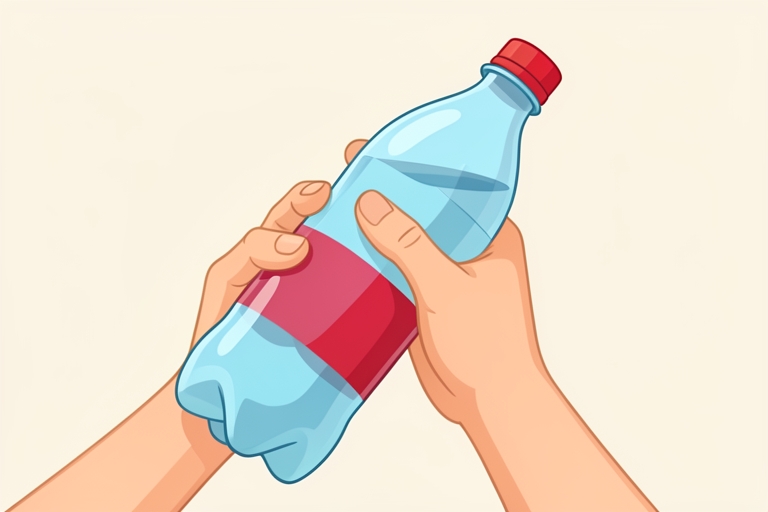

The bubbles inside push and push until—WHOOSH—they burst out. A volcano works almost the same way.
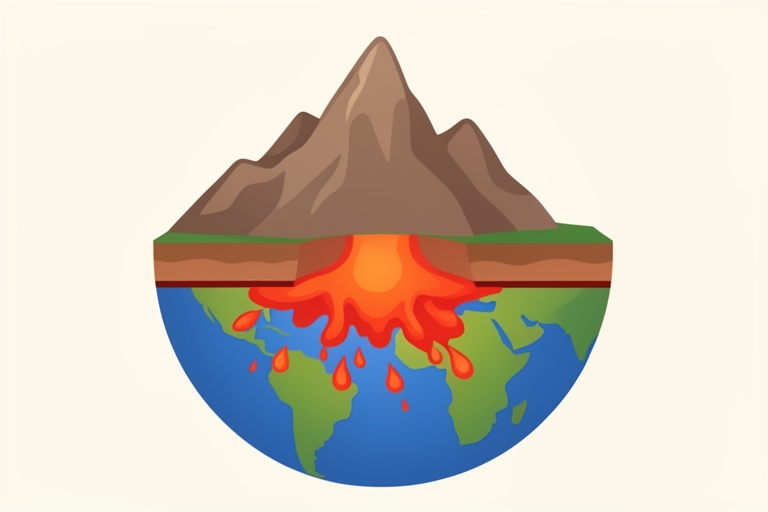
Deep, deep under the ground, it is so hot that rock melts into a gooey liquid called magma.
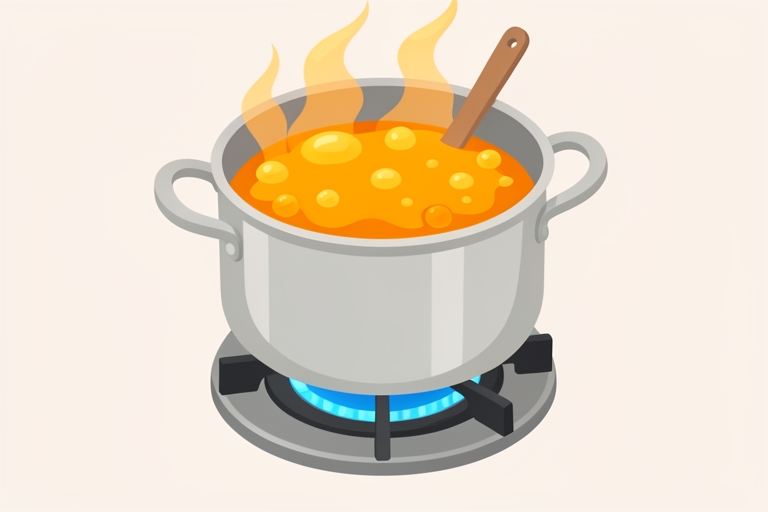
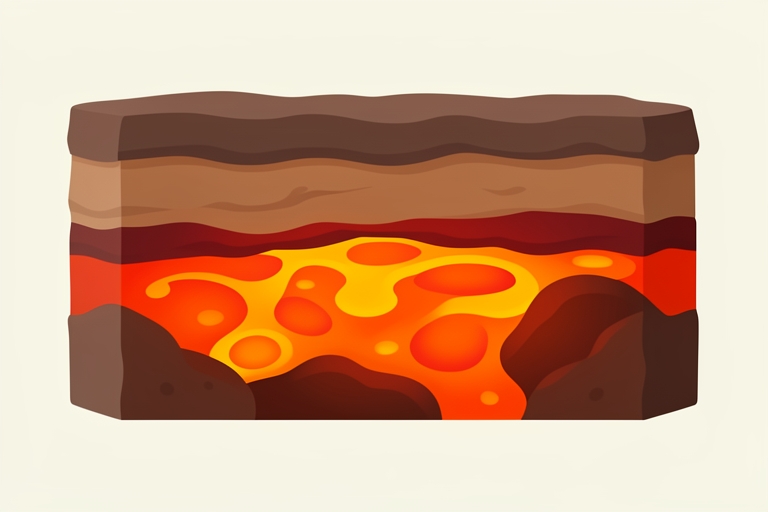
The magma is full of hot gas bubbles, just like the fizzy drink. The bubbles want to go up.
More and more magma and gas squeeze into the space under the mountain. The pressure gets bigger and bigger.
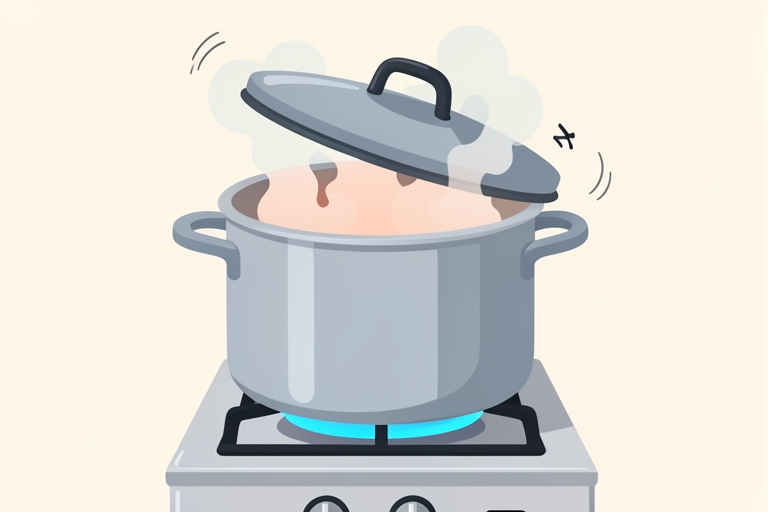
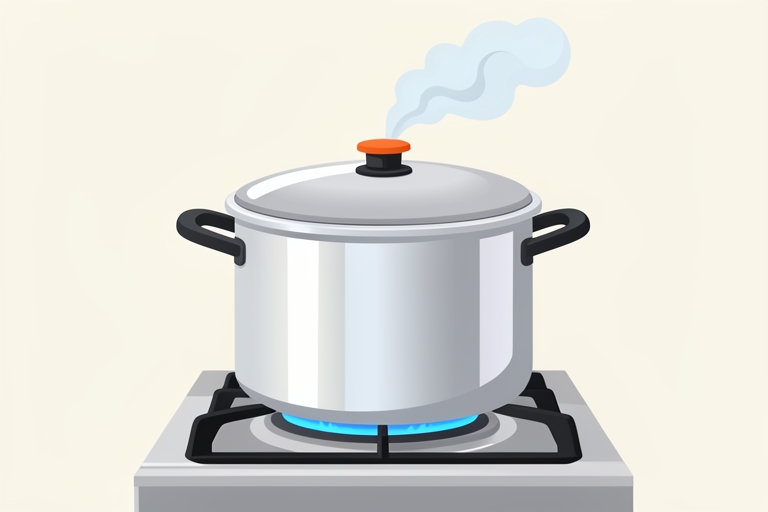
This is like a pressure cooker in your kitchen—the heat and gas push so hard that something has to give.
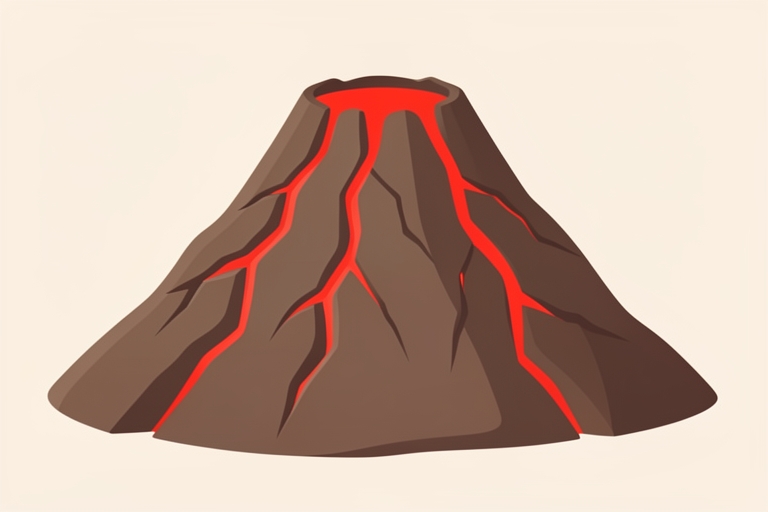
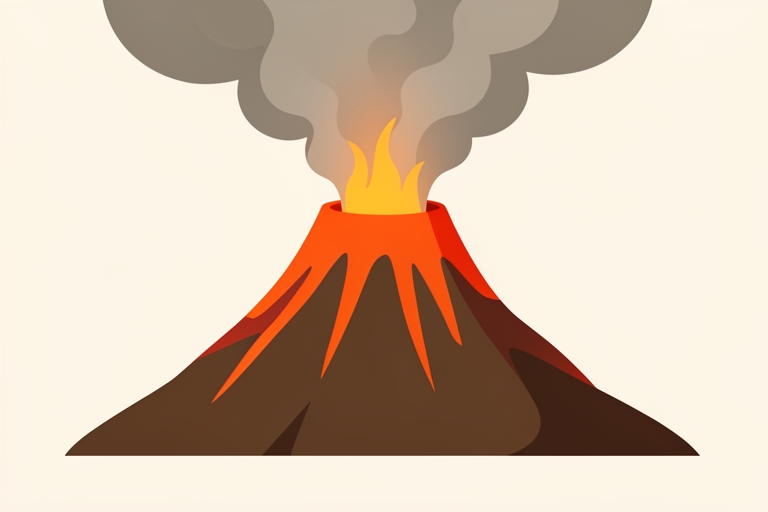
Finally, the pressure is too much. BOOM! The magma and gas blast up through cracks in the rock.
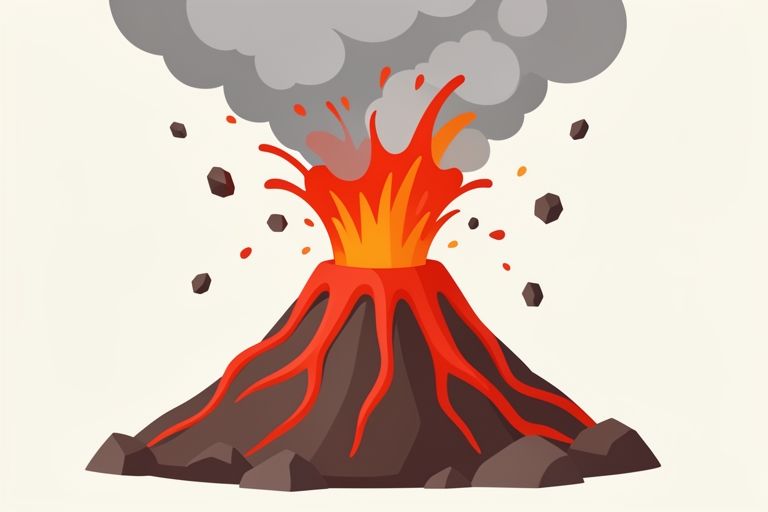
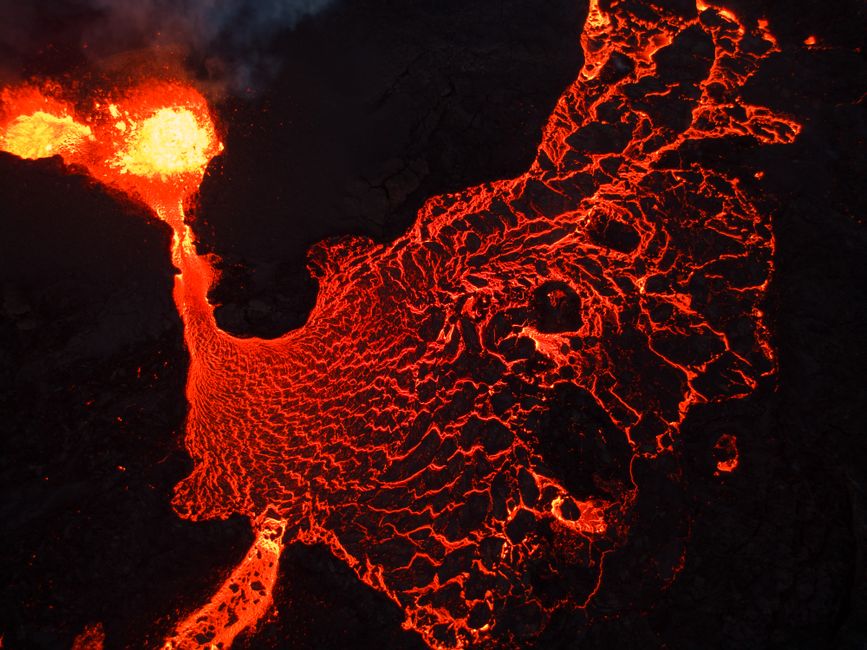
When magma comes out of the volcano, we call it lava. It is still super hot and glowing red.
The hot gas and ash shoot up so fast they make a huge cloud that looks like a giant mushroom.
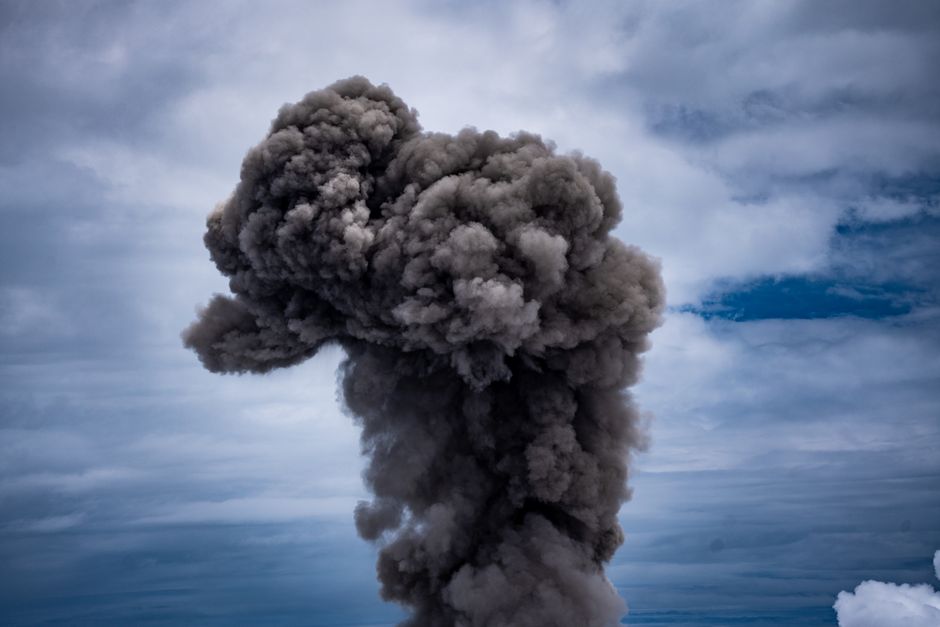
Here is the cool part: this happens because Earth is always moving and changing deep down, just like you are always moving and growing.
Volcanoes are dangerous, but they also make new land and help Earth stay alive and moving. Quick quiz: if you shake a fizzy bottle and then open it, what is most like what happens in a volcano? A volcano erupts because hot melted rock and gas build up pressure underground until it explodes upward.
- Volcanoes create new islands
Quick quiz
Q1. What is like a volcano?
Yes! Bubbles and pressure bursting out—that is exactly how a volcano works!