Why we rarely eat predators
Transcript
Why does almost nobody eat lions, sharks or wolves?

Humans are omnivores and eat nearly everything, yet top predators are almost never on the menu. There is a real chain of reasons.

First, the energy rule. Only about ten percent of energy passes up each step of a food chain, a rough textbook figure.
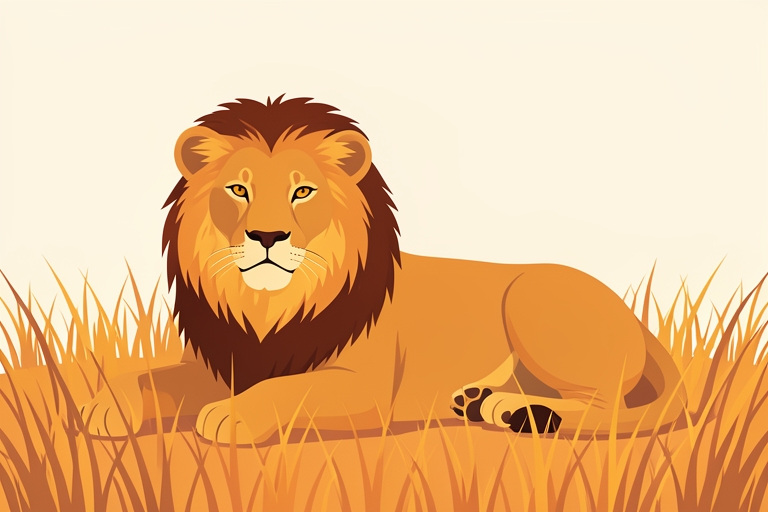
Here is the effect. After three steps, only about one thousandth of the plants' energy is left at the top. So predators are rare. A planet can feed millions of cows, but only a few lions, so there is simply not enough to eat.
- Each step loses about 90%
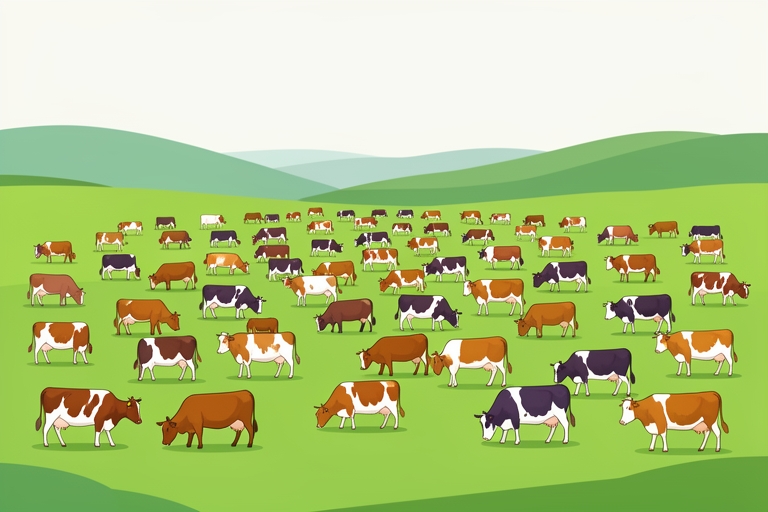
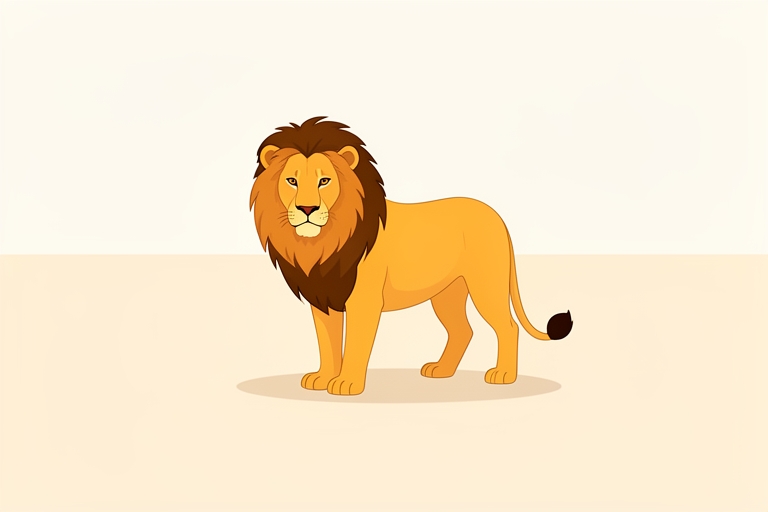
Second, farming cost. Feeding a carnivore means growing plants, feeding herbivores, then feeding the predator, wasting energy at every extra step.
Third, biomagnification. Some toxins do not break down, so each step up the chain concentrates them in body fat.
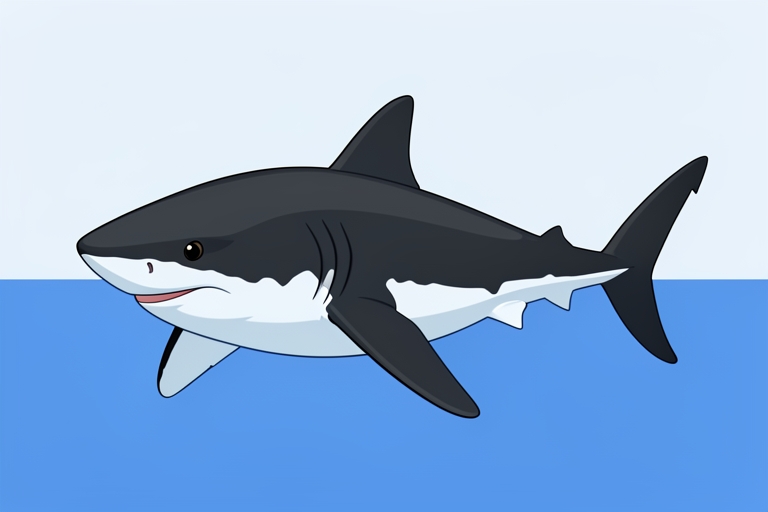
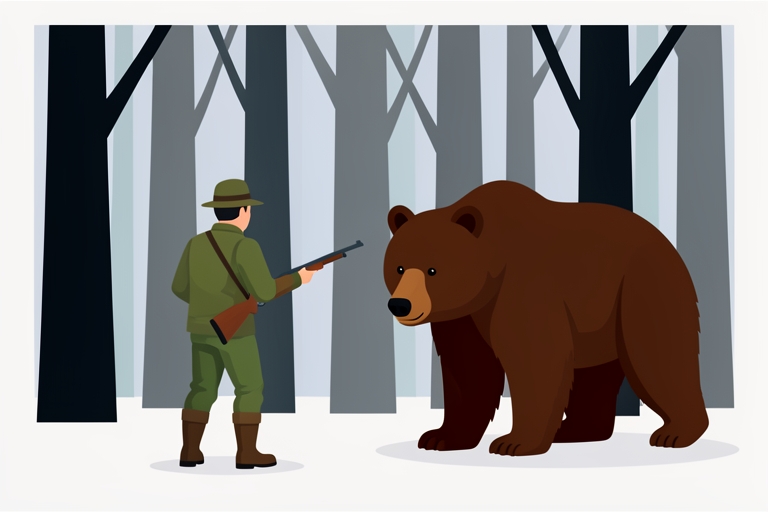
Mercury in large fish like swordfish and shark is a real example, and health agencies advise pregnant women to limit them. Fourth, parasites and disease. Many carnivores carry parasites that spread by eating infected prey, and undercooked meat can pass them on. Fifth, danger and effort. Hunting a wolf or a bear risks your life, while herding a sheep risks almost nothing.
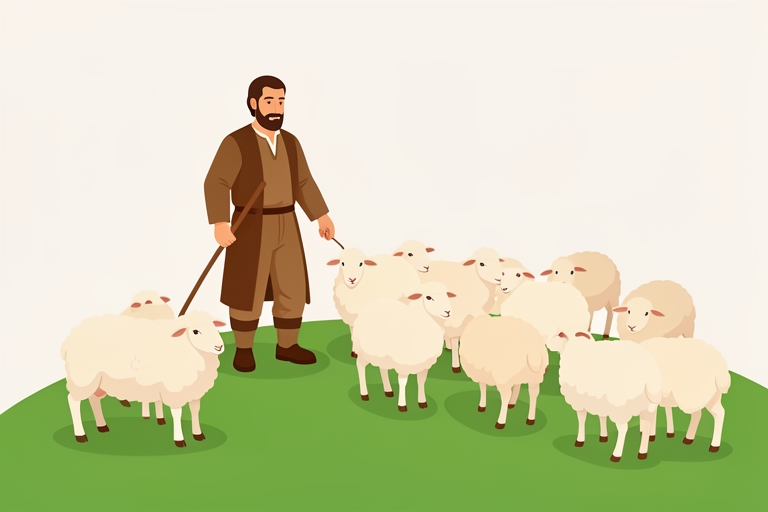
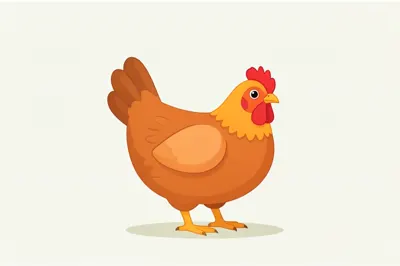
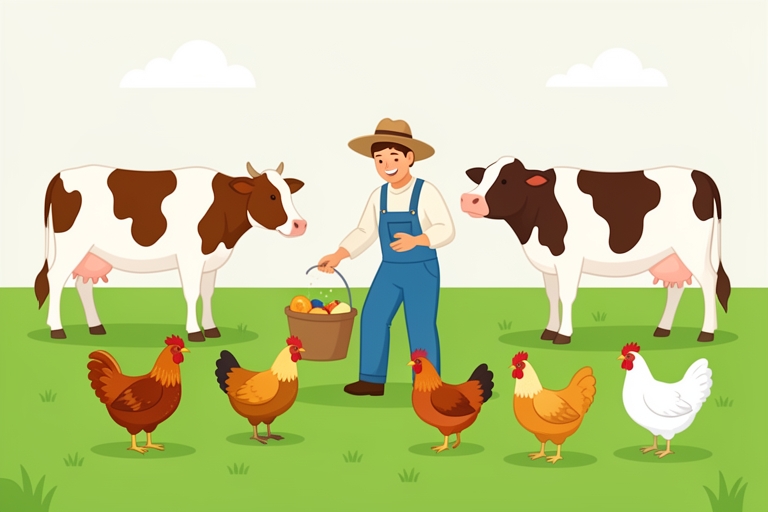
Sixth, domestication. We tamed animals that are herbivores, grow fast, breed in captivity and tolerate crowds, like cows and chickens.
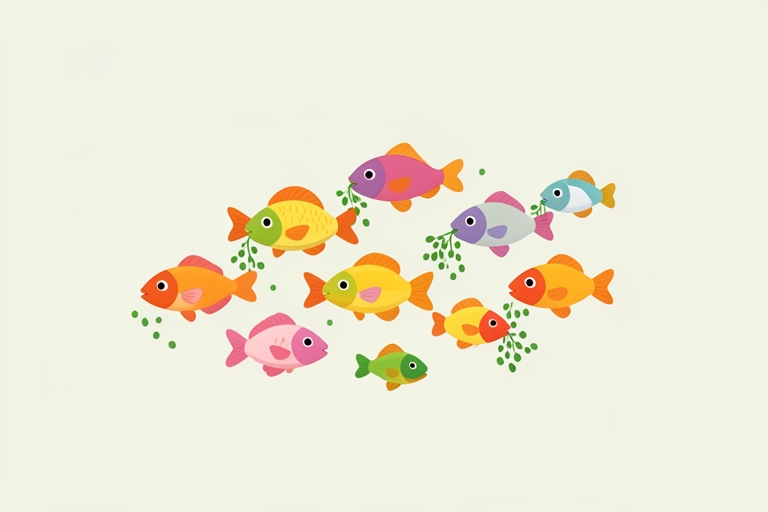
Now the misconception: predators are not poisonous or forbidden by nature. Humans do eat some, like tuna, pigs, and even shark in places.
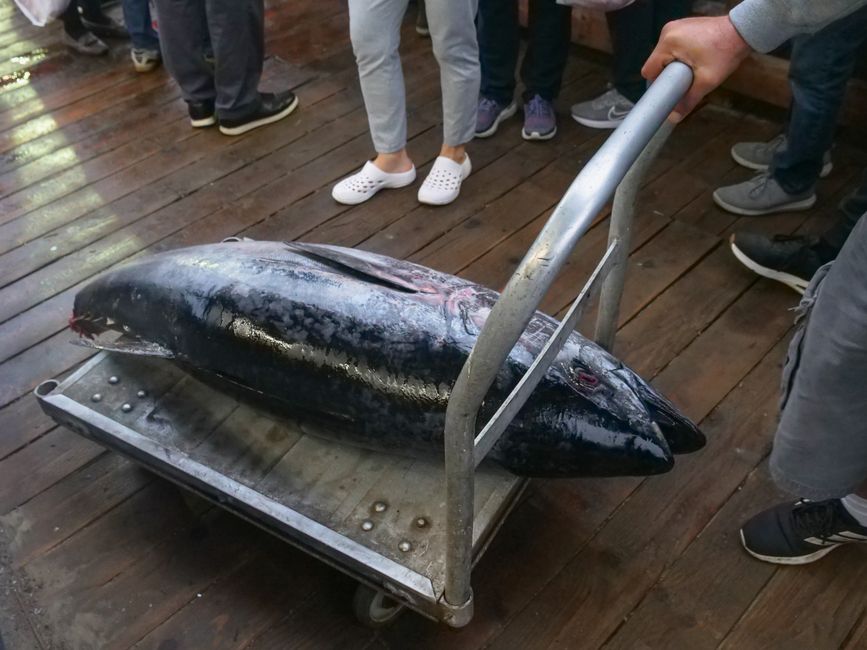
The rule is a tendency, not a law. Pigs are omnivores, tuna are predators, and sharks are eaten, all driven by cost and availability. Edge case: cannibalism. Humans are top predators, and eating humans has occurred in history, but it brings disease risk, famously prion diseases. Test your understanding with a tricky question about why predators are scarce.
- Tendency, not a law
In short, predators are rare, costly, risky and often toxic or parasitic, so humans mostly eat plants and tamed herbivores instead.
Quick quiz
Q1. Why are top predators scarce in nature?
The misconception is that scarcity comes from poison or hunting; it comes from energy loss at each level.