How to Start Isabgol Farming
Transcript
Isabgol farming succeeds when seed development, harvest timing, and clean processing are managed together.
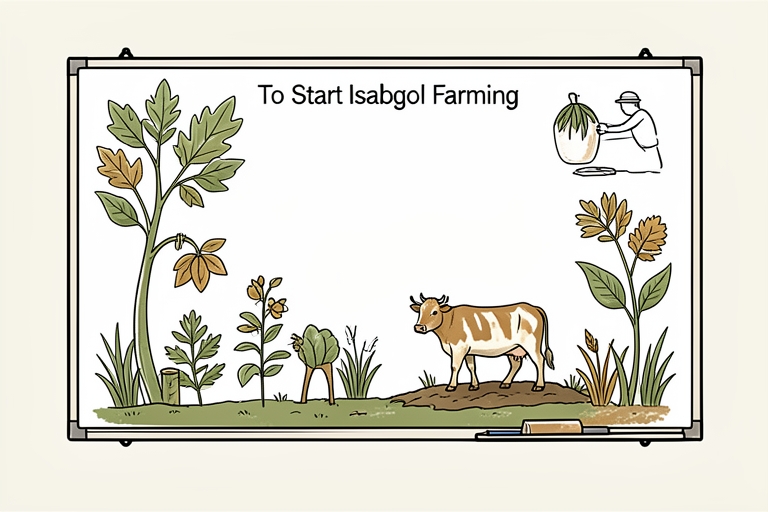
Isabgol, or psyllium, is the seed of Plantago ovata; its husk is a water-swelling fibre used in food and medicine.
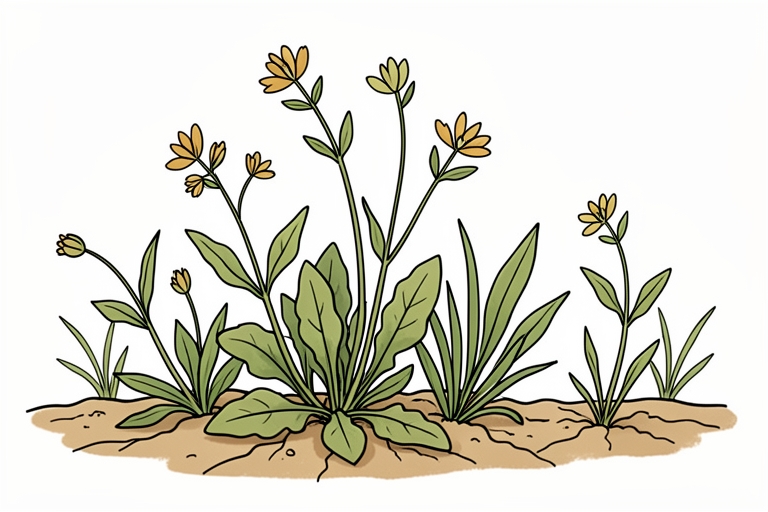
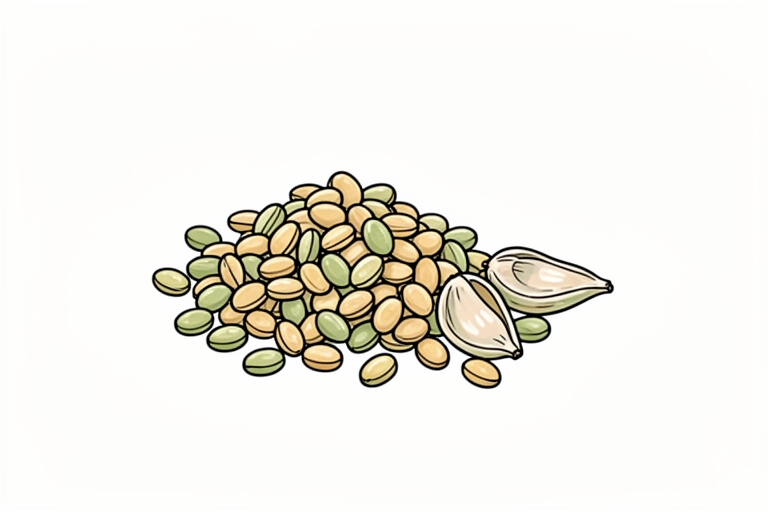
The husk is the seed coat, rich in mucilage, a gel-forming material that absorbs water; clean seed is therefore the crop’s value chain.
Start with local agronomic advice: suitable varieties, seed availability, sowing window, and buyer specifications vary by region and season. Baru is a village in Rajasthan, but its location alone does not prove a particular field is suitable for isabgol.
- Baru, Rajasthan
- Confirm local recommendations first
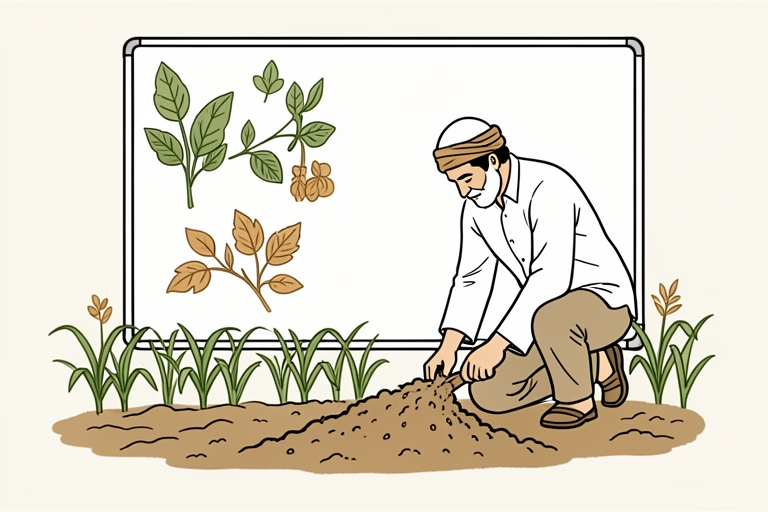
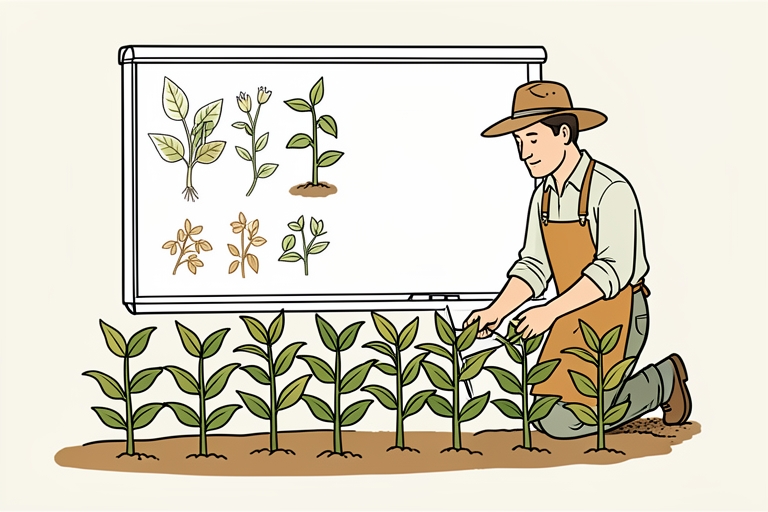
Before planting, test soil and drainage; waterlogging can damage roots, while a well-prepared, fine seedbed helps tiny seeds establish evenly.
Use certified or otherwise verified seed, and follow a local recommendation for rate, spacing, and sowing date rather than copying another district.
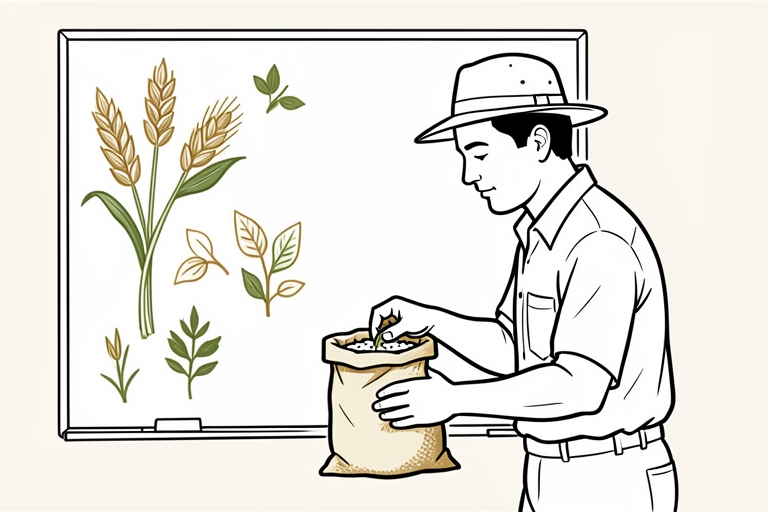
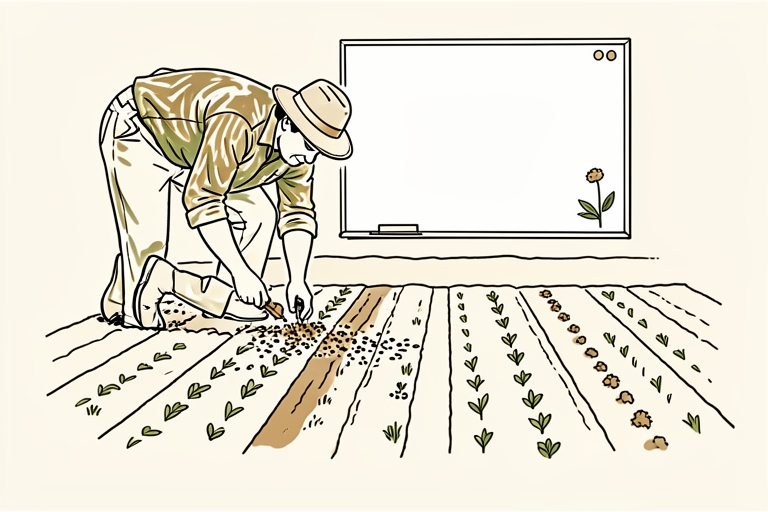
Because the seed is small, sowing depth matters: deep placement can delay emergence or prevent seedlings reaching the surface. Establishment depends on moisture without saturation; if emergence is patchy, diagnose seedbed, seed quality, and water distribution before adding inputs.
Manage weeds early because young crop plants compete poorly; identify weeds correctly and use only locally approved control methods.
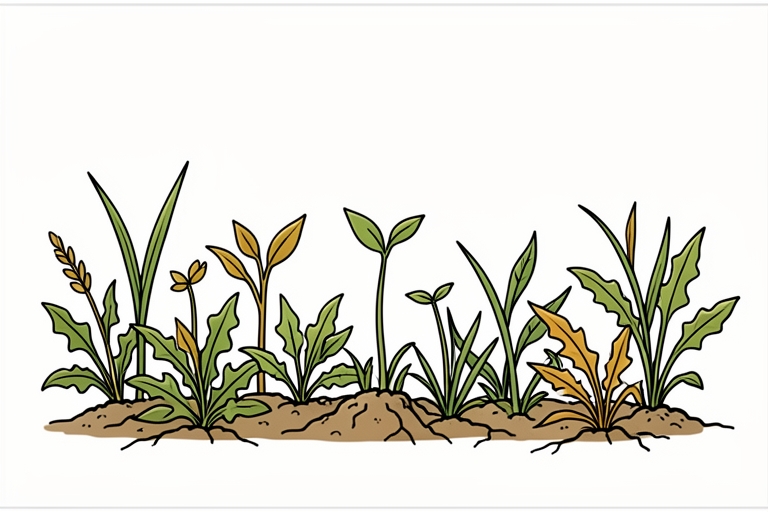
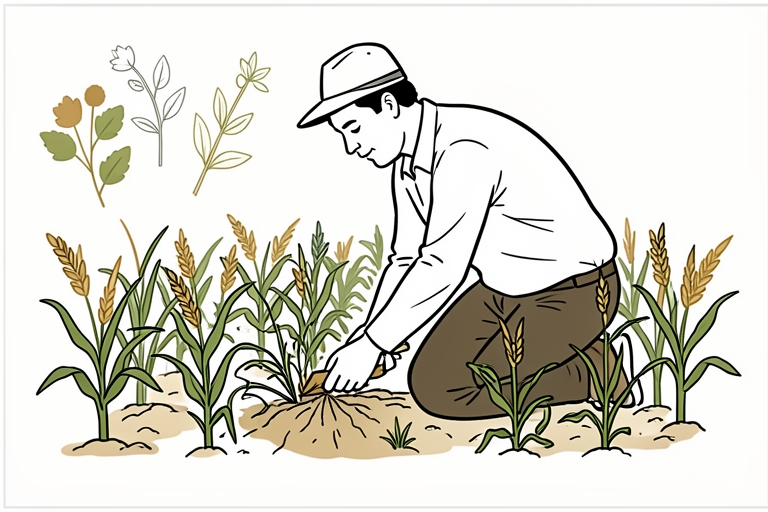
Avoid the misconception that more irrigation always means more yield: excess water can harm roots, so schedule irrigation from crop stage, soil, and weather.
As plants mature, flowering forms seed spikes; harvest too early and seeds may be immature, but waiting too long risks shattering and loss.
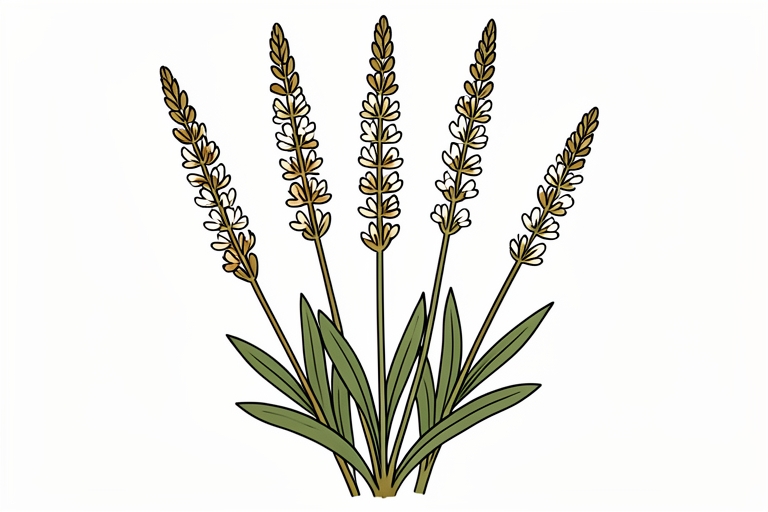
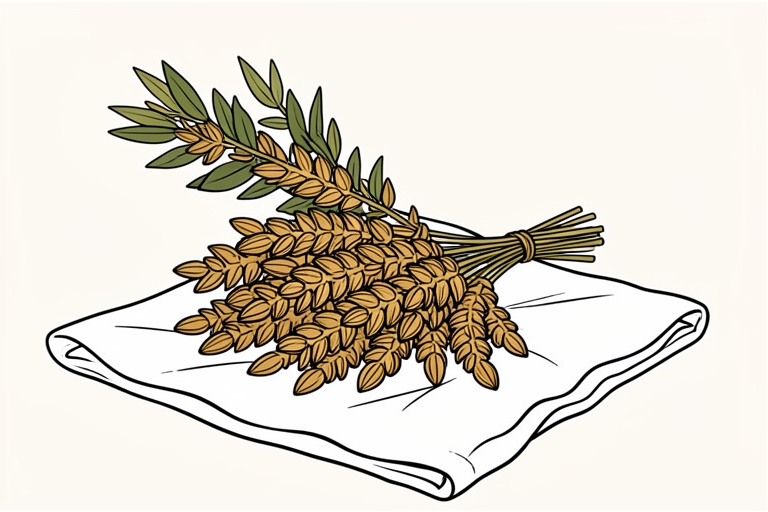
Use seed maturity, not a guessed calendar date, to guide harvest; dry harvested material carefully and thresh gently to limit seed damage and contamination.
For a small first plot, record seed source, sowing date, emergence, irrigation, weed control, harvest condition, and buyer feedback for the next season. The bigger idea is quality control: field practice affects seed cleanliness, and processing affects how much valuable husk can be recovered.
If heavy rain threatens near maturity, what is the better response: keep waiting for a date, or assess maturity and harvest risk? Start small, follow locally verified recommendations, protect establishment and harvest timing, then judge success by clean seed and buyer requirements.
Quick quiz
Q1. Why assess the crop rather than follow a fixed harvest date?
The calendar-date misconception ignores variation in crop maturity and weather risk.