Why we brush our teeth
Transcript
Your mouth hosts a living city, and it never sleeps.
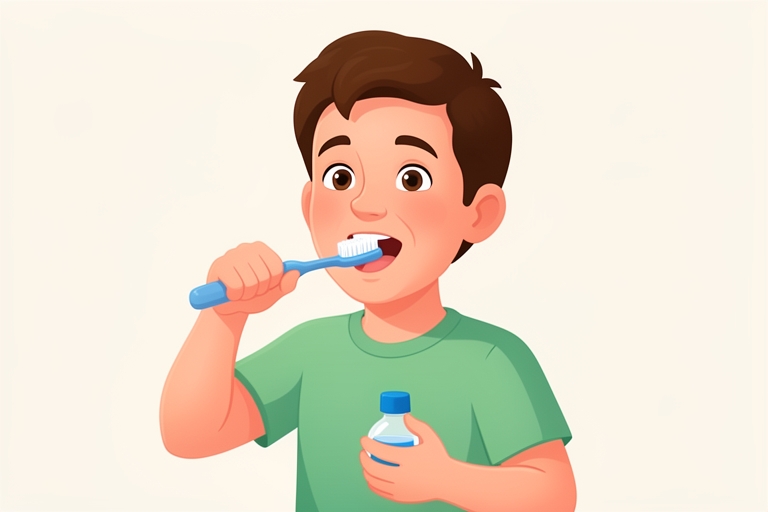
Within hours of brushing, bacteria stick to your teeth and build a sticky film called dental plaque.
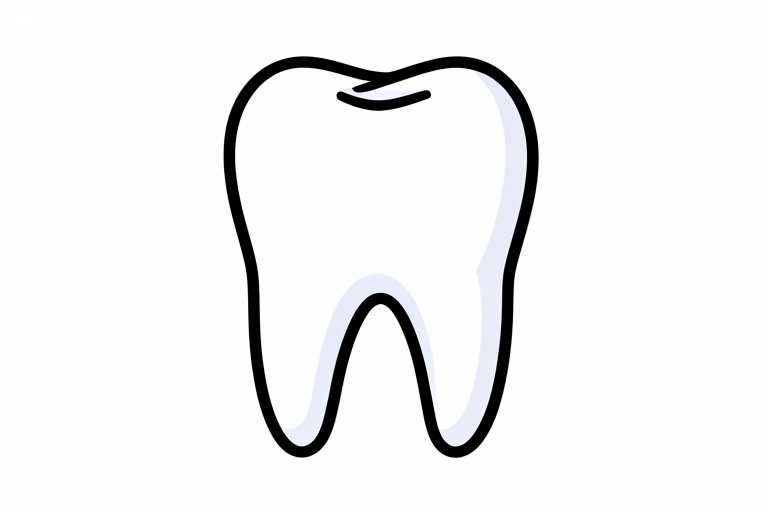
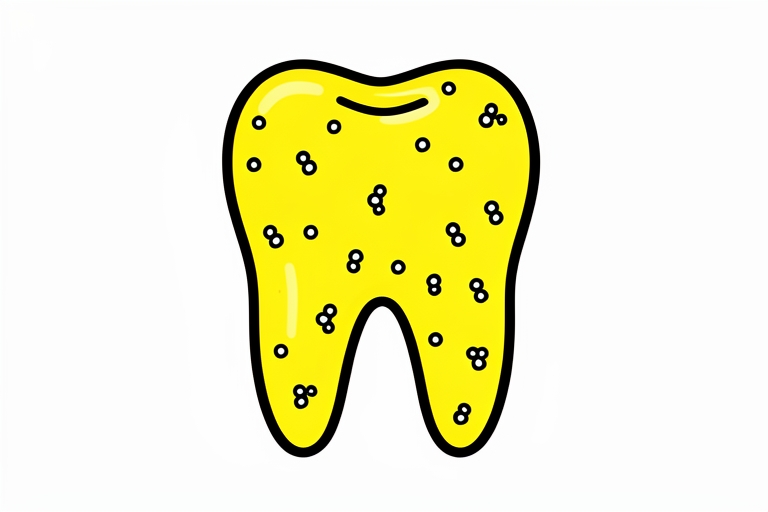
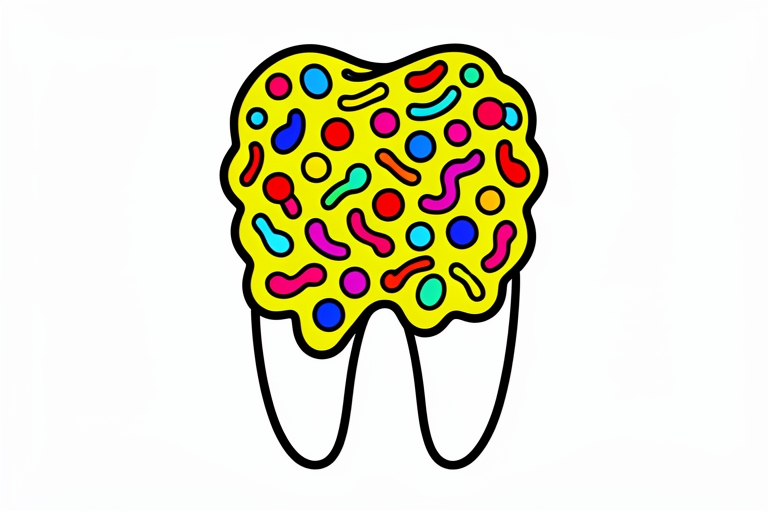
Plaque is a biofilm: bacteria glued together by their own slime, which also shields them from your saliva. Here is the chain of damage. Bacteria eat sugar, make acid, acid dissolves enamel, and a cavity forms.
- Plaque = biofilm
Enamel is mostly hydroxyapatite, a calcium phosphate mineral. It is the hardest tissue in your body, yet acid dissolves it.
- Enamel: calcium phosphate mineral
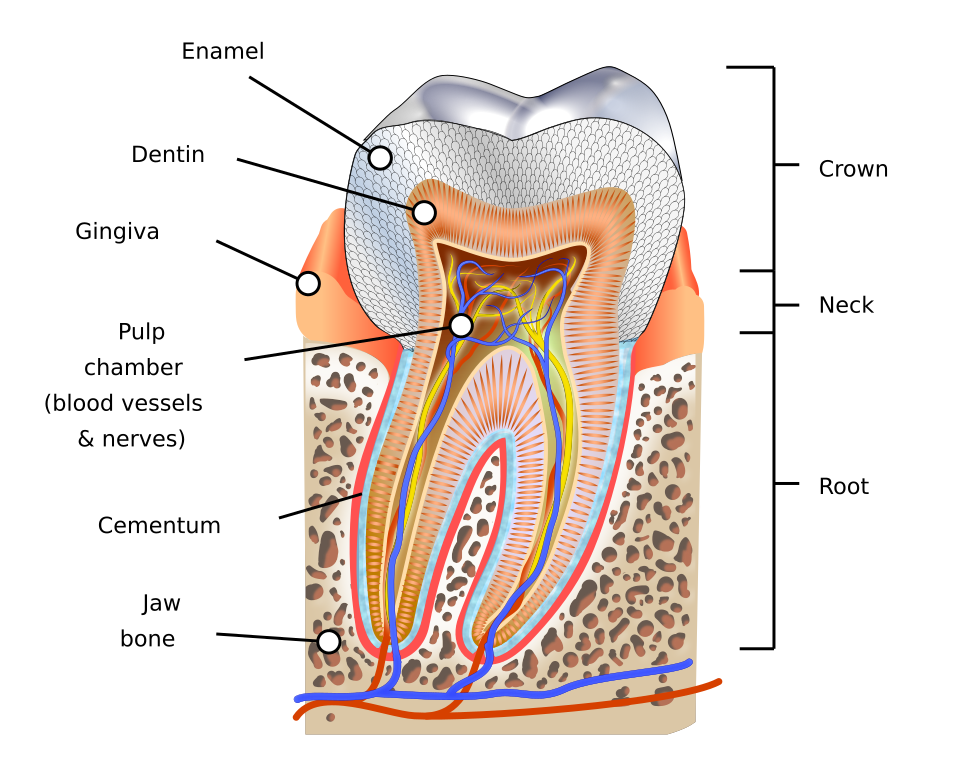
Acid matters because of pH. Below about five and a half, enamel starts losing minerals, a process called demineralisation.
Saliva fights back. It neutralises acid and returns calcium and phosphate, so repair, called remineralisation, competes with damage all day.
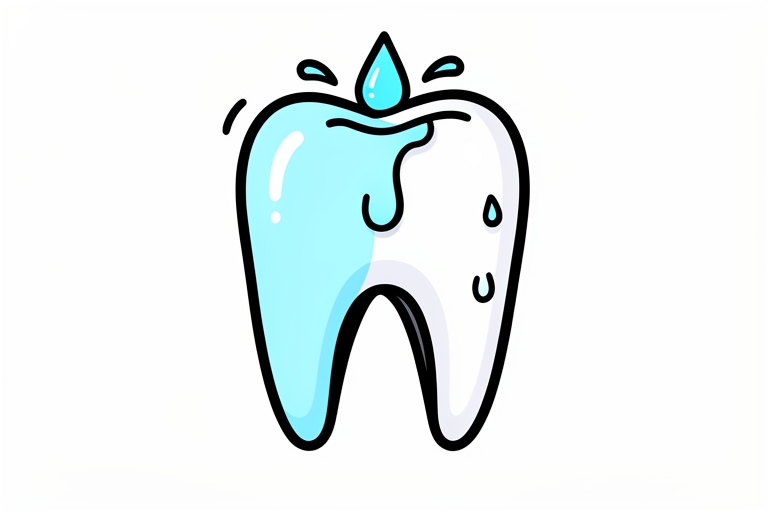
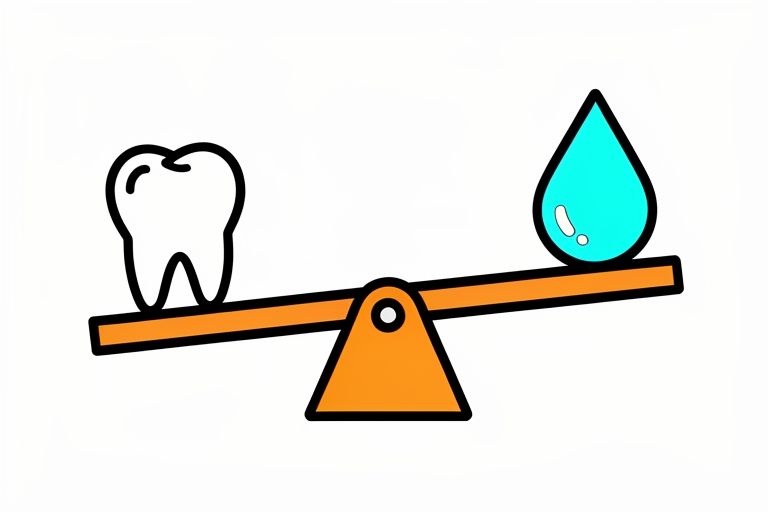
Each sugar hit tips the balance toward damage for a while, so frequent snacking is worse than one dessert.
Brushing works in two ways: it physically scrapes plaque away, and fluoride toothpaste strengthens enamel.
Fluoride swaps into the mineral, forming fluorapatite, which dissolves less easily in acid than the original enamel.
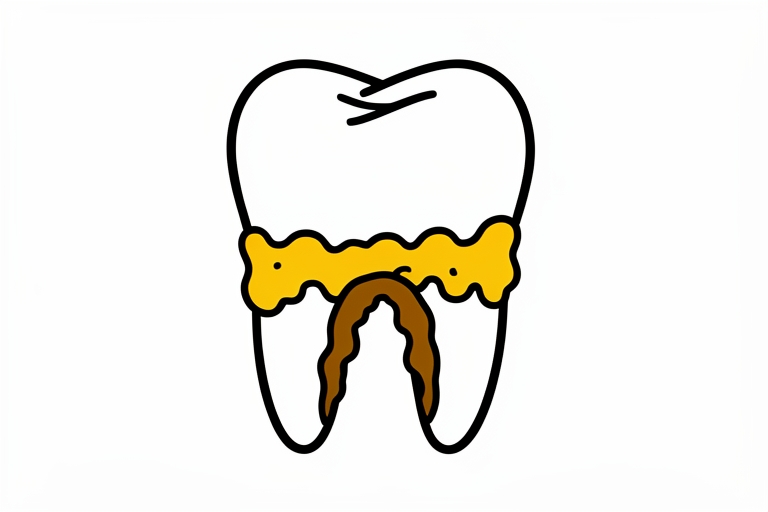
Ca_{10}(PO_4)_6(OH)_2 \rightarrow Ca_{10}(PO_4)_6F_2Edge case: left alone, plaque hardens into tartar, also called calculus, and brushing alone cannot remove it. Only a dentist can.
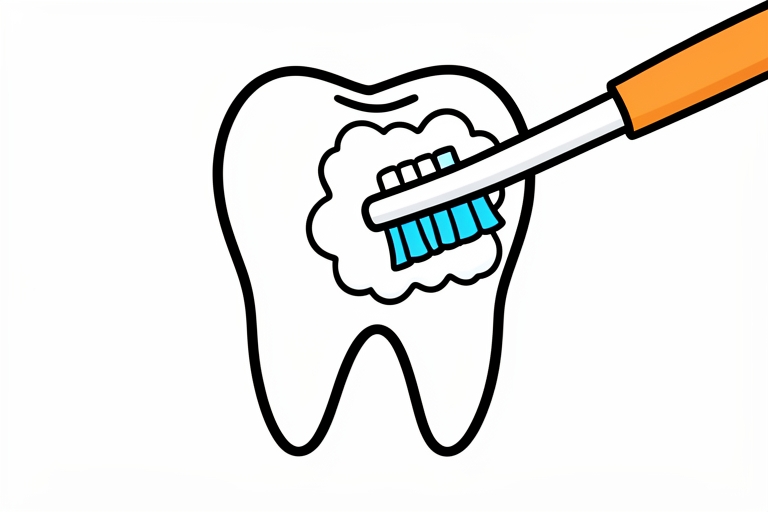
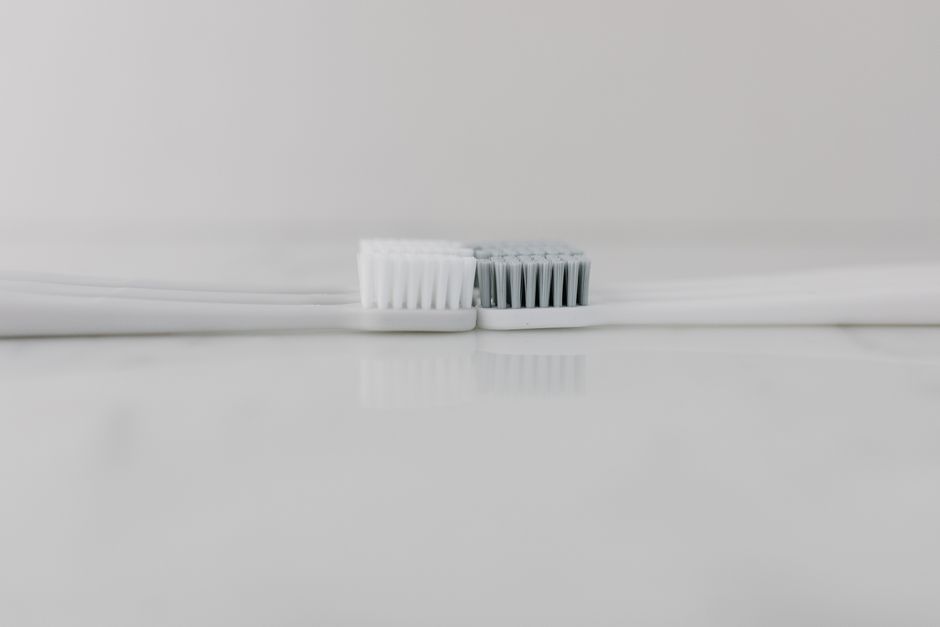
Misconception: brushing harder cleans better. In fact hard bristles and force wear enamel and irritate gums, so dentists recommend soft bristles.
Another gap: bristles cannot reach between teeth, so floss or interdental brushes are needed, and toothpaste should be spat out, not swallowed. The bigger idea: plaque also inflames gums, called gingivitis, linking oral hygiene to your whole body's health.
Quick check: why might sipping a sugary drink all afternoon harm teeth more than drinking it with lunch? In short, brushing removes plaque and delivers fluoride, tipping the daily battle between demineralisation and repair in your favour.
Quick quiz
Q1. Why is sipping a sugary drink all afternoon worse than drinking it quickly with a meal?
Total sugar is not the issue; repeated acid attacks keep pH low, so remineralisation cannot catch up.