Chicken or egg?
Transcript
Which came first, the chicken or the egg?
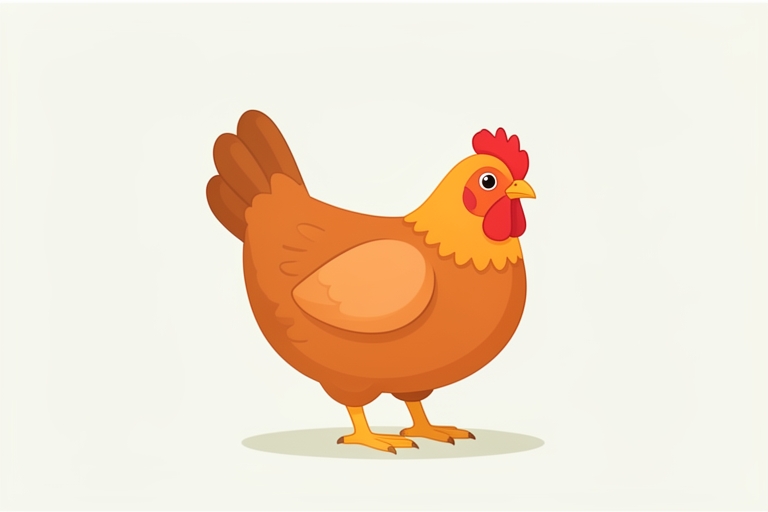
It sounds like a riddle, but evolutionary biology gives a precise answer once we define our terms.
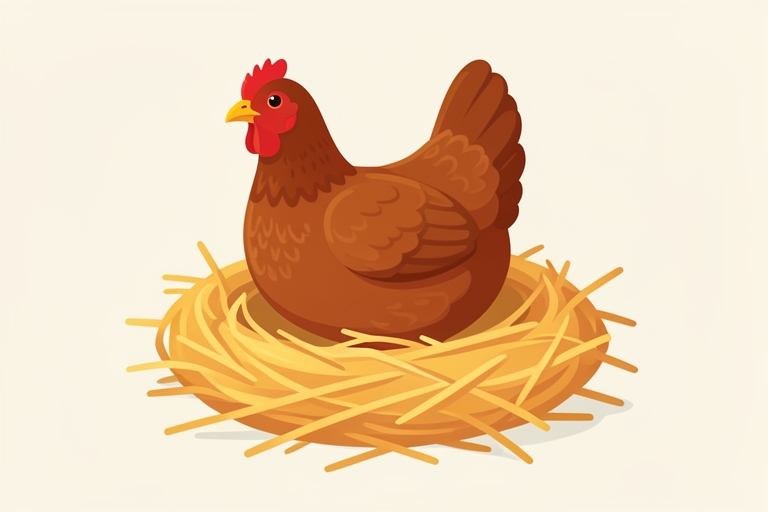
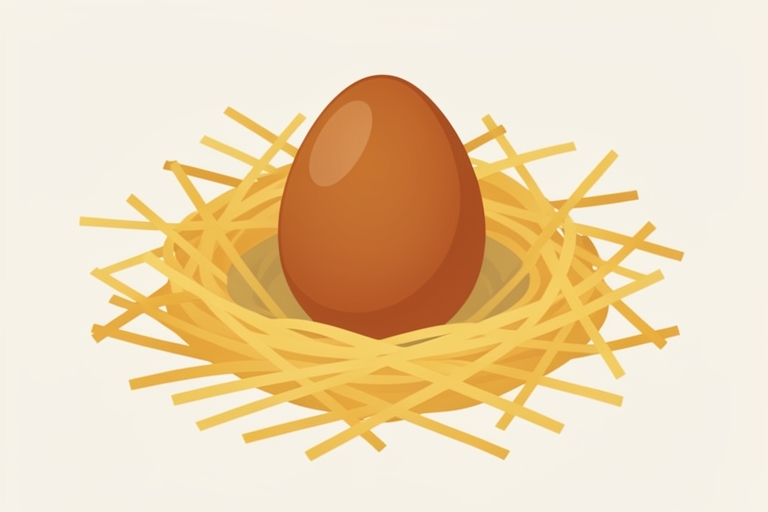
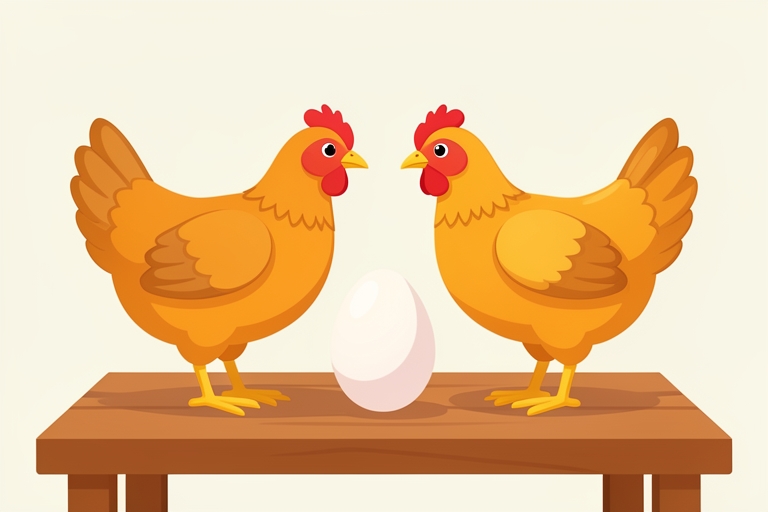
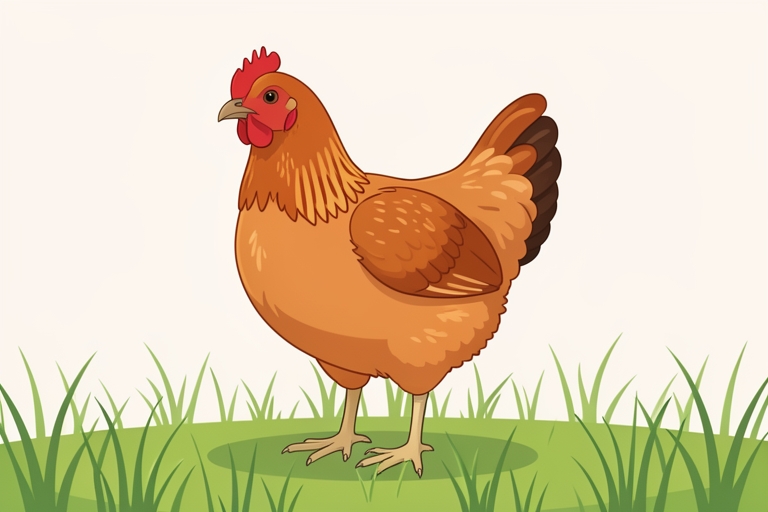
First, a precise term: a species is a population whose members interbreed and share a gene pool that changes over generations. Chickens did not appear from nowhere. Domestic chickens descend from the red junglefowl of Southeast Asia.
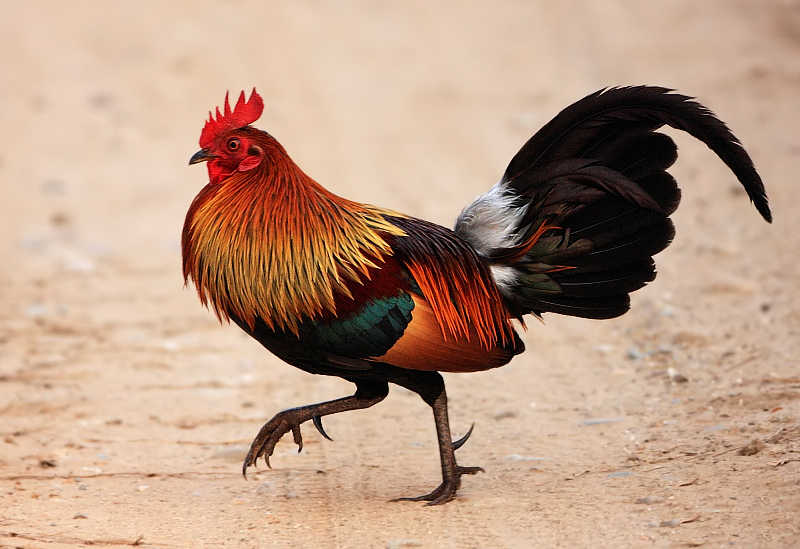
Eggs long predate chickens. Reptiles laid shelled eggs over three hundred million years ago, and birds inherited the habit.
So eggs came first by a huge margin. But the question really asks about the first chicken egg.
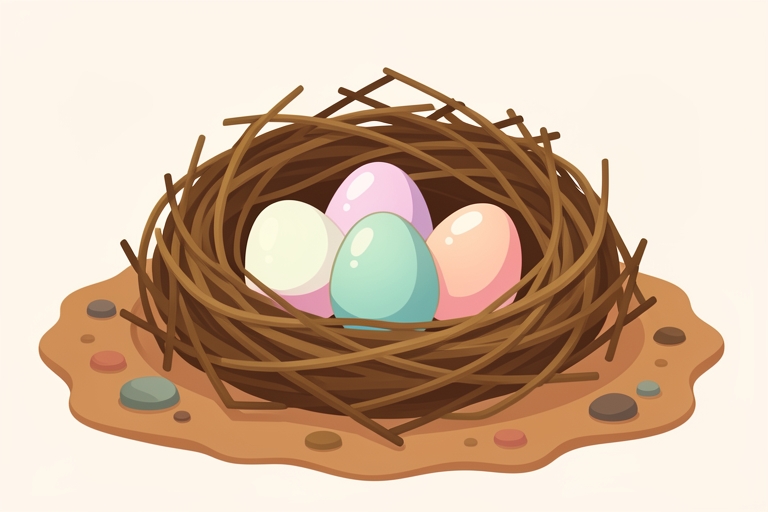
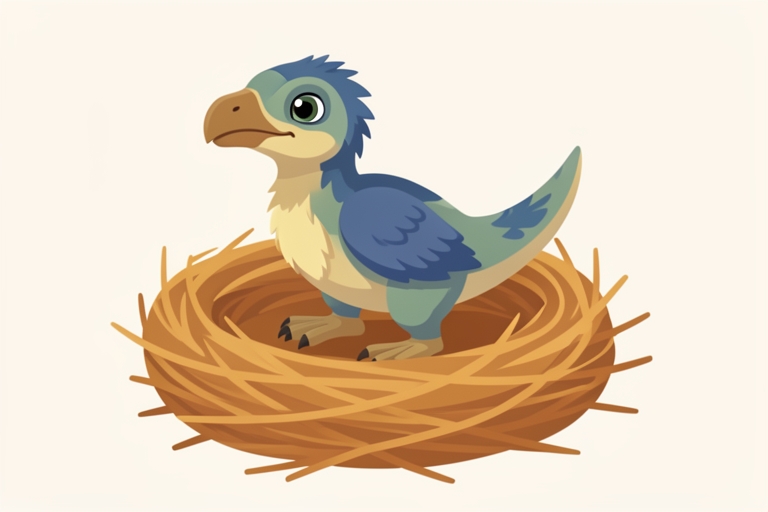
Here is the mechanism. An embryo's genome comes from its parents, formed by recombination and mutation at fertilisation.
Crucially, the genome is fixed inside the egg. The shell encloses the embryo, whose DNA decides what animal hatches. Imagine a bird almost, but not quite, a chicken. Its mutated embryo carries the first true chicken genome.
- Inside a bird egg
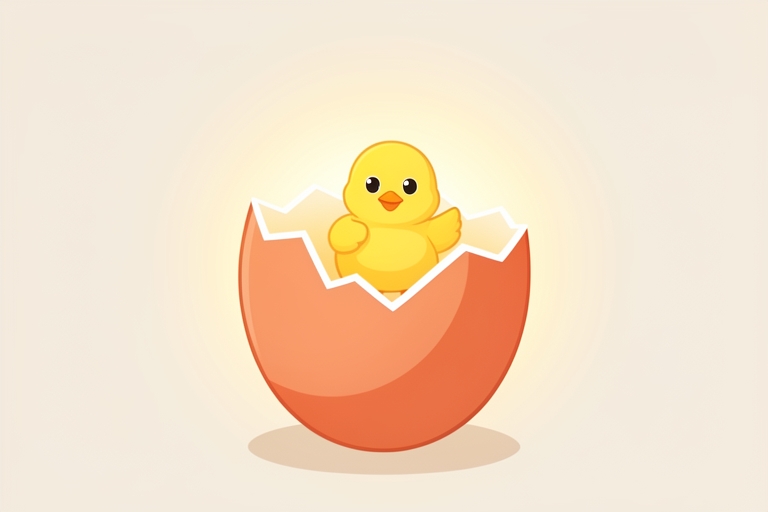
That mutated zygote lives inside an egg laid by a non-chicken. So the egg is a chicken egg, before any chicken exists.
Species change is gradual, so there is no sharp line. A common misconception is that one instant creates a species. This makes the question about definitions, not biology. If you define chicken by genome, the egg wins by one generation. Edge case: some argue the shell protein ovocleidin-17 is made in hens. That shows how bird traits are inherited, not a paradox.
This links to a bigger idea: Darwinian evolution works on populations, and species boundaries blur like colours in a rainbow.

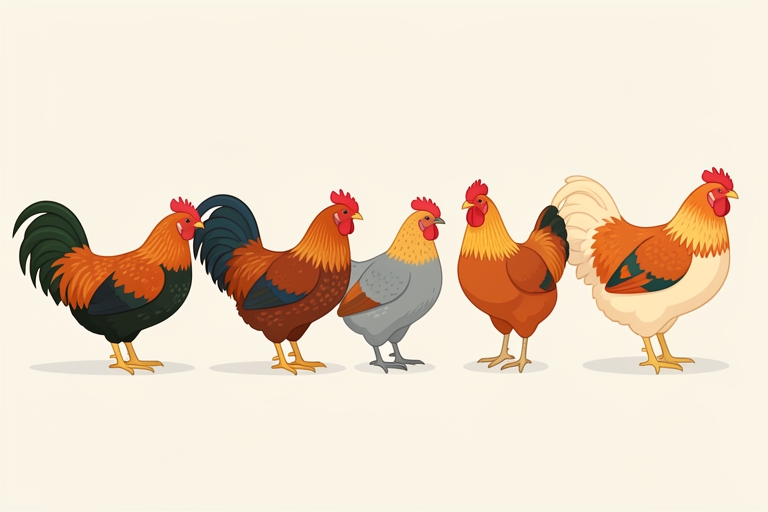
Now test the reasoning: what do you think best explains why the egg came first? In short: eggs long predate chickens, and the first true chicken hatched from an egg laid by a not-quite-chicken.
Quick quiz
Q1. Why does the egg come first, if a chicken is defined by its genome?
The misconception is that a species appears fully formed; mutations arise in the embryo, inside an egg from a non-chicken.