How a function generator works
Transcript
How does a gadget make any wave you ask for?
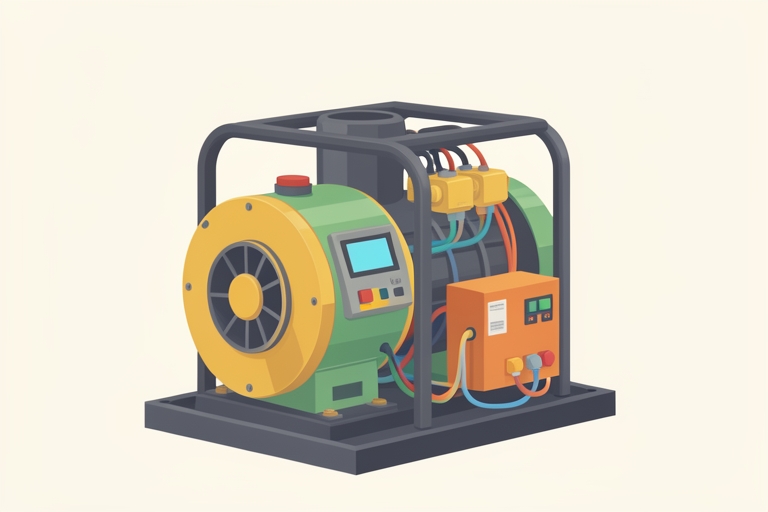
A function generator is a test tool that makes electrical waves, like a musician who can play any rhythm.
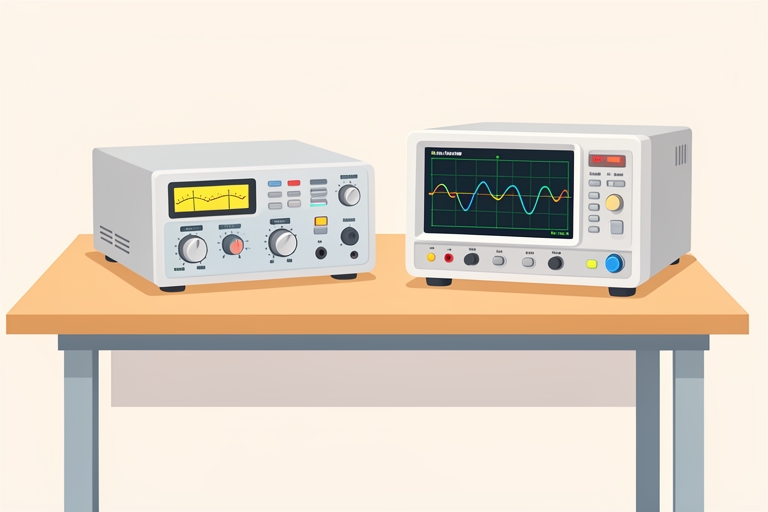

Electricity can go up and down in a pattern. That pattern is called a waveform. The four most common shapes are sine, square, triangle and sawtooth.
- Waveform = voltage over time
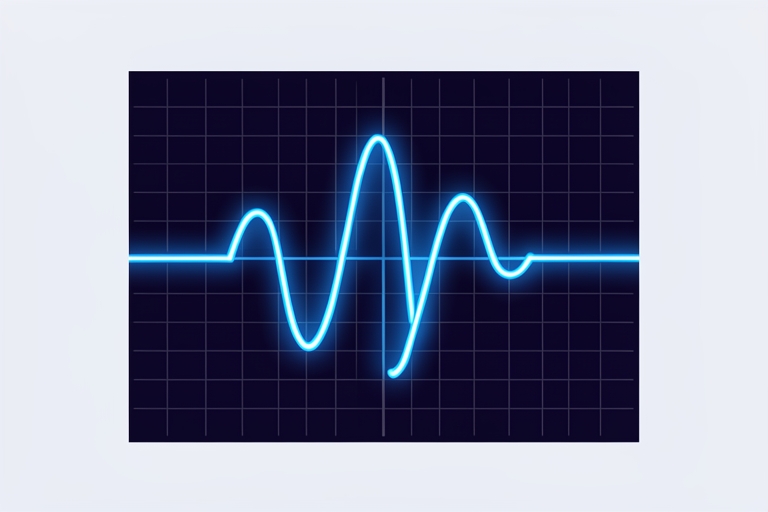
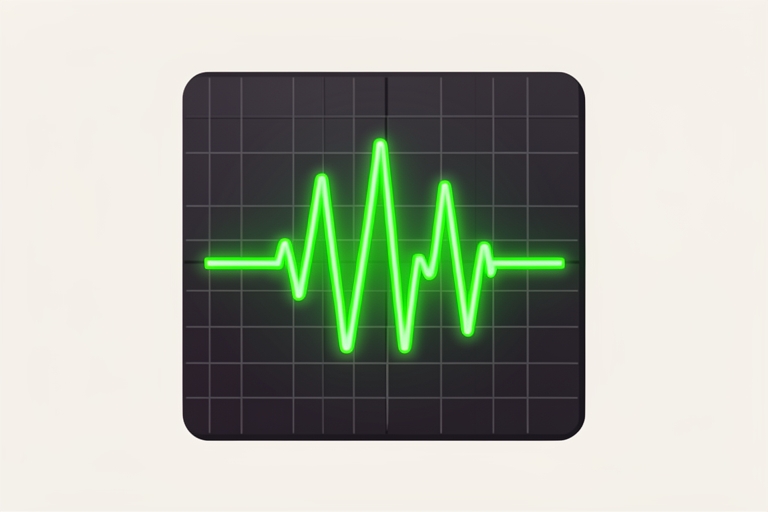
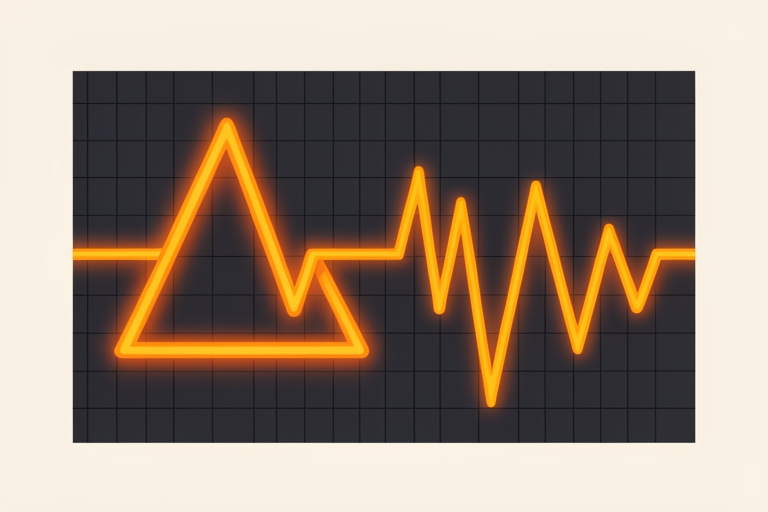
Inside, the generator makes a repeating signal using a circuit that keeps charging and discharging.
Think of a bathtub that slowly fills, then suddenly drains. That repeating fill and drain makes a ramp wave.
- Charge slow, discharge fast


Plot that up-slow, down-fast pattern and you get a sawtooth wave, like the teeth of a saw. Squash that ramp with a switch circuit and you get a square wave. Round it off and you get a sine wave.
You can also turn the knobs. Frequency changes how fast the wave repeats, and amplitude changes how tall it is. A DC offset lifts the whole wave up or down, like moving a swing's resting height. Engineers use it to test amplifiers. Feed in a known wave, then check what comes out.
- Frequency = how fast
It can also add a fake error into a control loop to see how a machine reacts.
One limit: these tools are not perfect, so for very clean or very steady signals, other generators are better. Quick check: which wave does the bathtub fills-slowly drains-fast idea create? So a function generator makes repeating waves of any shape, speed and height, to test and repair electronics.
- Make waves, test electronics
Quick quiz
Q1. Which wave comes from slow charging and fast discharging?
A slow rise and sudden drop repeats like saw teeth.