Motors in a 3D printer
Transcript
How does a tiny motor make a 3D printer move so precisely?
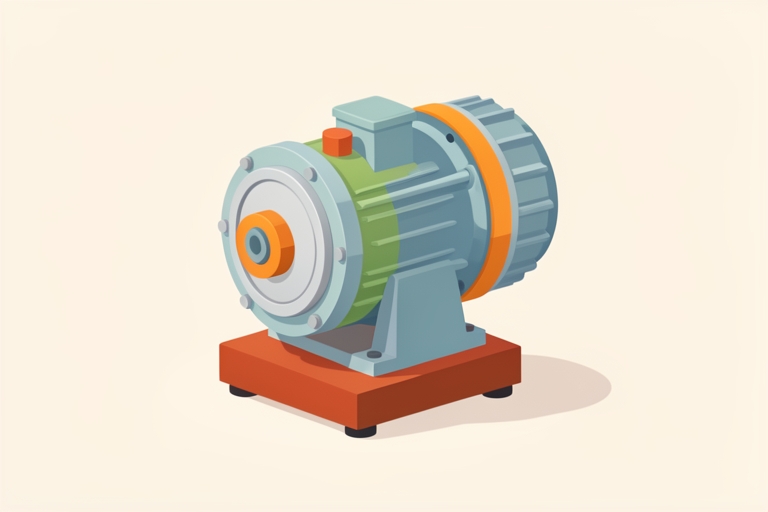
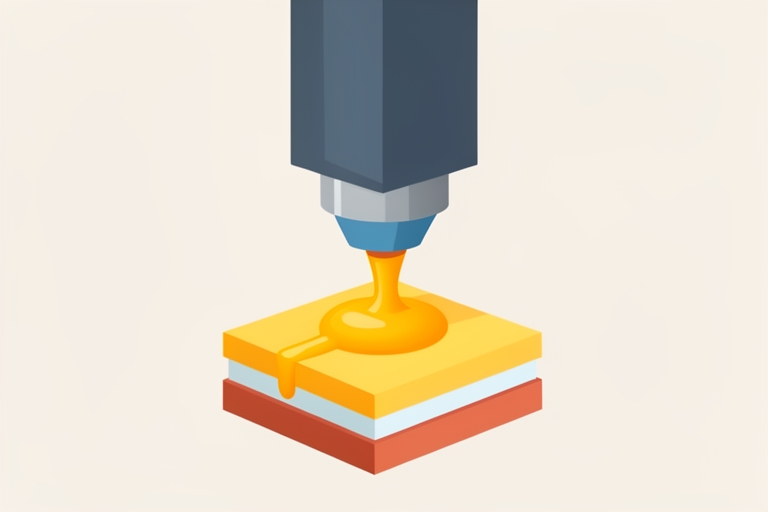
A 3D printer builds objects layer by layer, and motors move the nozzle and the bed to exactly the right spot.
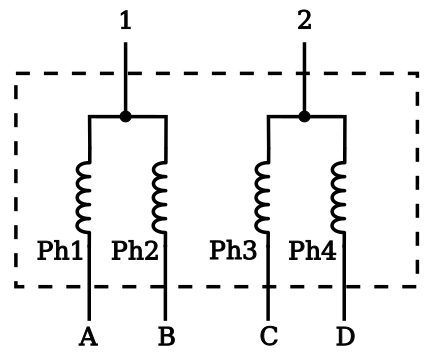
The motors used here are called stepper motors, because they turn in tiny steps instead of spinning freely. Inside, there is a spinning part with magnets, surrounded by coils of wire that become magnets when electricity flows.
- A stepper motor
- Stepper = moves in small steps
Think of a toy car pulled by a magnet you move in front of it. The car follows the magnet.

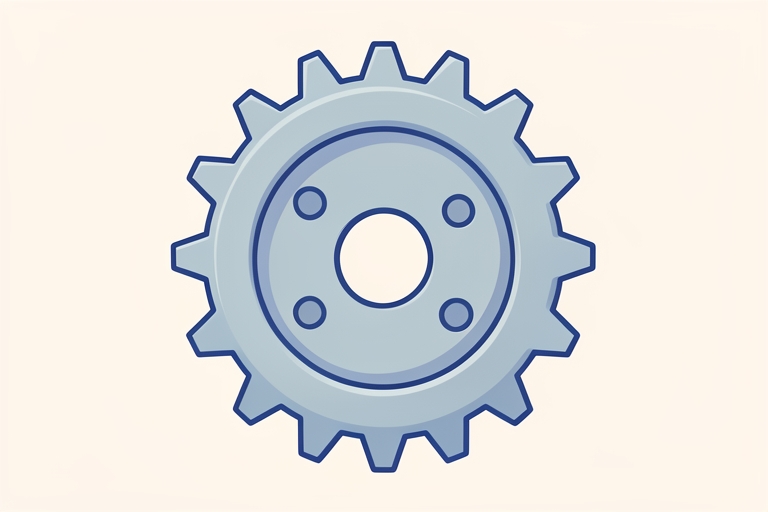
The controller switches the coils on one after another, and the center magnet jumps to follow each coil.
Each jump is one step. Most printer motors take two hundred steps to make one full turn. A small circuit board called a driver tells the motor when to step, how fast, and in which direction.
- 200 steps = 1 full turn
The turning motion must become straight movement, so the motor spins a belt or a long screw.
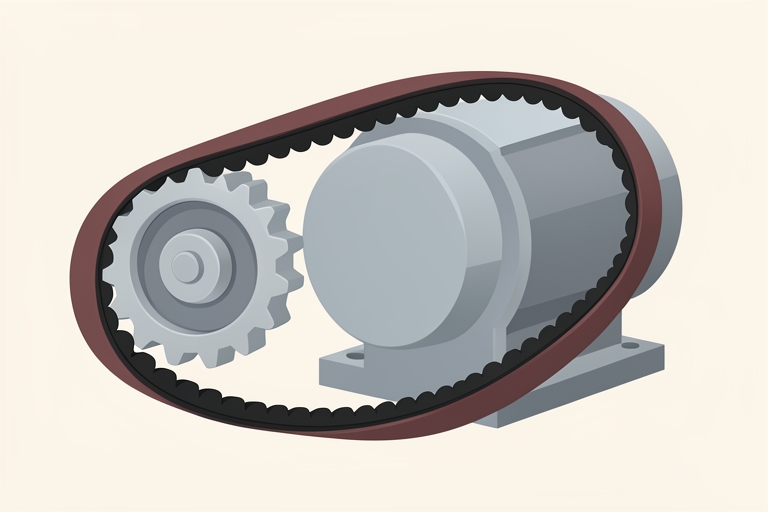
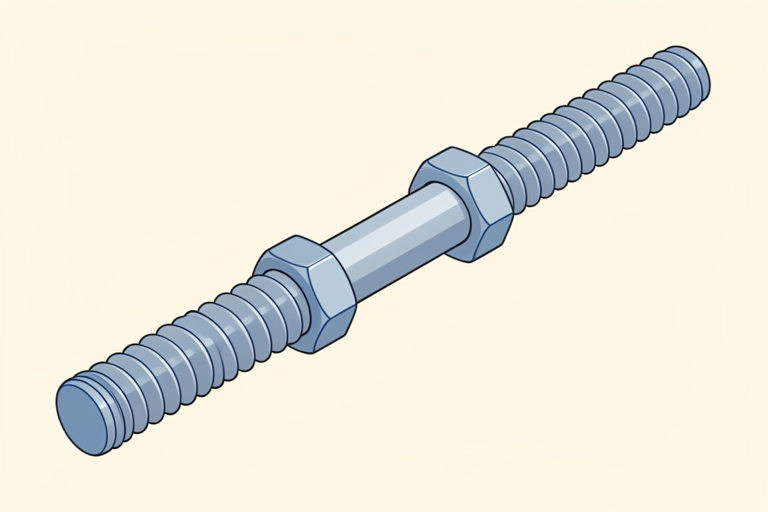
Belts move the nozzle sideways, and screws lift the print bed up or down, one tiny layer at a time. Three directions matter: X goes left and right, Y goes forward and back, and Z goes up and down. Software like OctoPrint gives a web page where you watch the printer and control it from far away.
Example: one step moves a belt about point zero one, so two hundred steps move the nozzle a few millimeters.
200 \text{ steps} = 1 \text{ turn}Quick check to see if it clicked. In short, stepper motors turn coil-by-coil in tiny steps, and belts and screws turn that spinning into precise printer movement.
Quick quiz
Q1. Why are stepper motors used in 3D printers?
Tiny exact steps let the printer place plastic precisely.