How a generator works
Transcript
How does a spinning wheel make your lights glow?
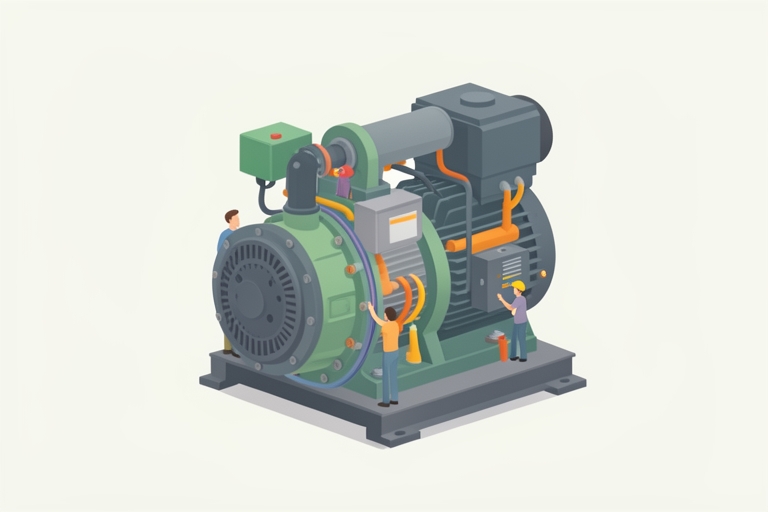
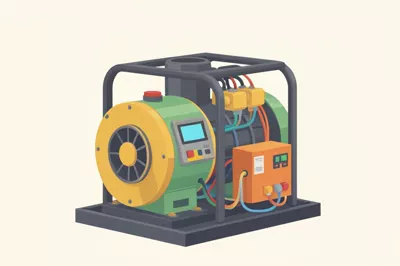
A generator turns movement into electricity. Something pushes it round, and power comes out the other end.
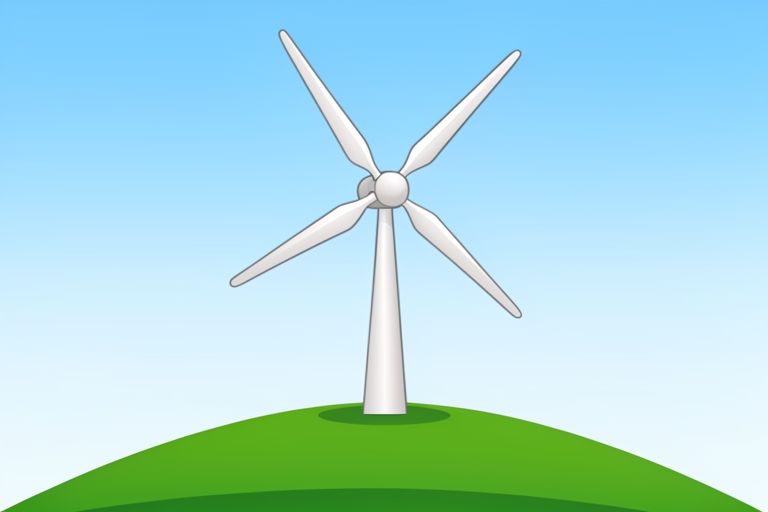
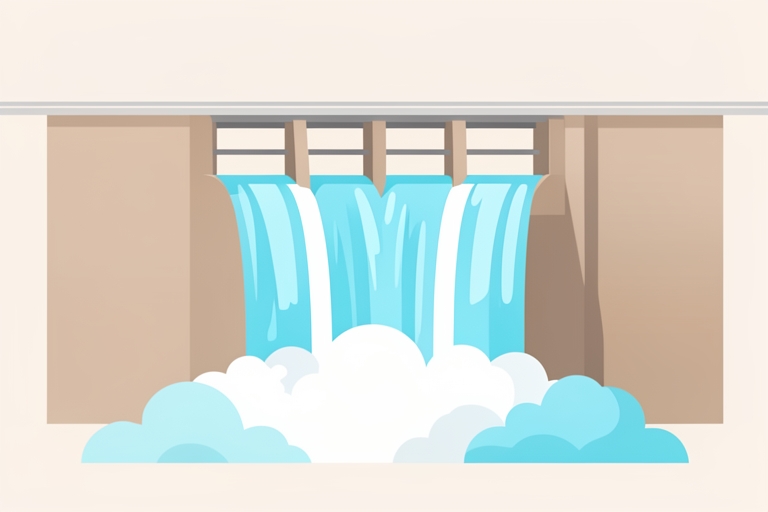
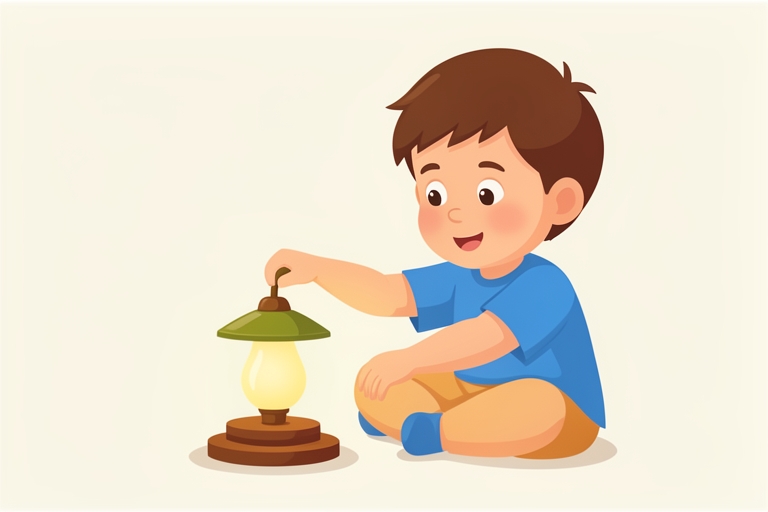
So the big idea is simple: movement in, electricity out.
Inside, there are only two main parts: a magnet, and a coil of copper wire.
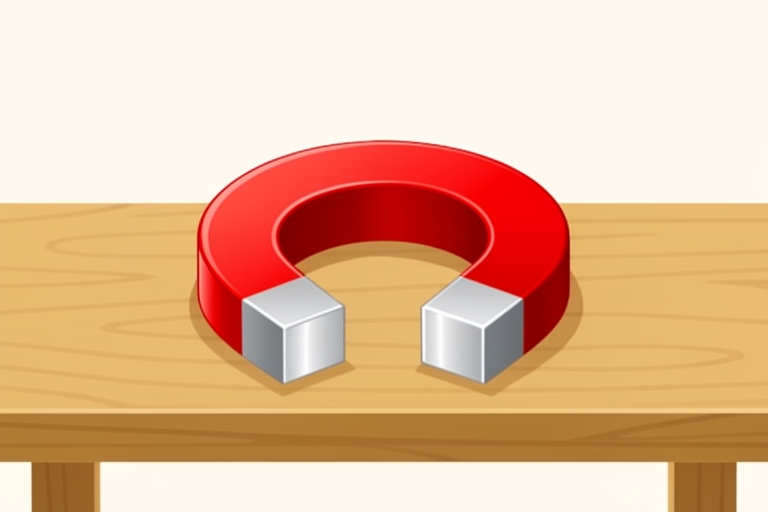
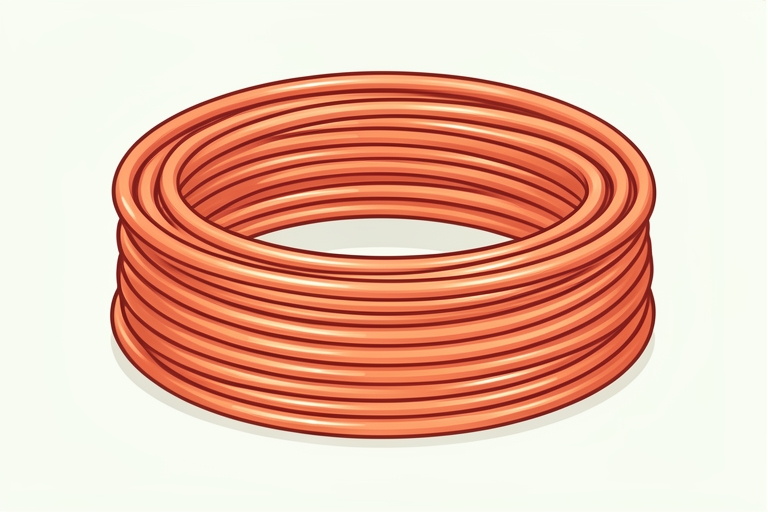
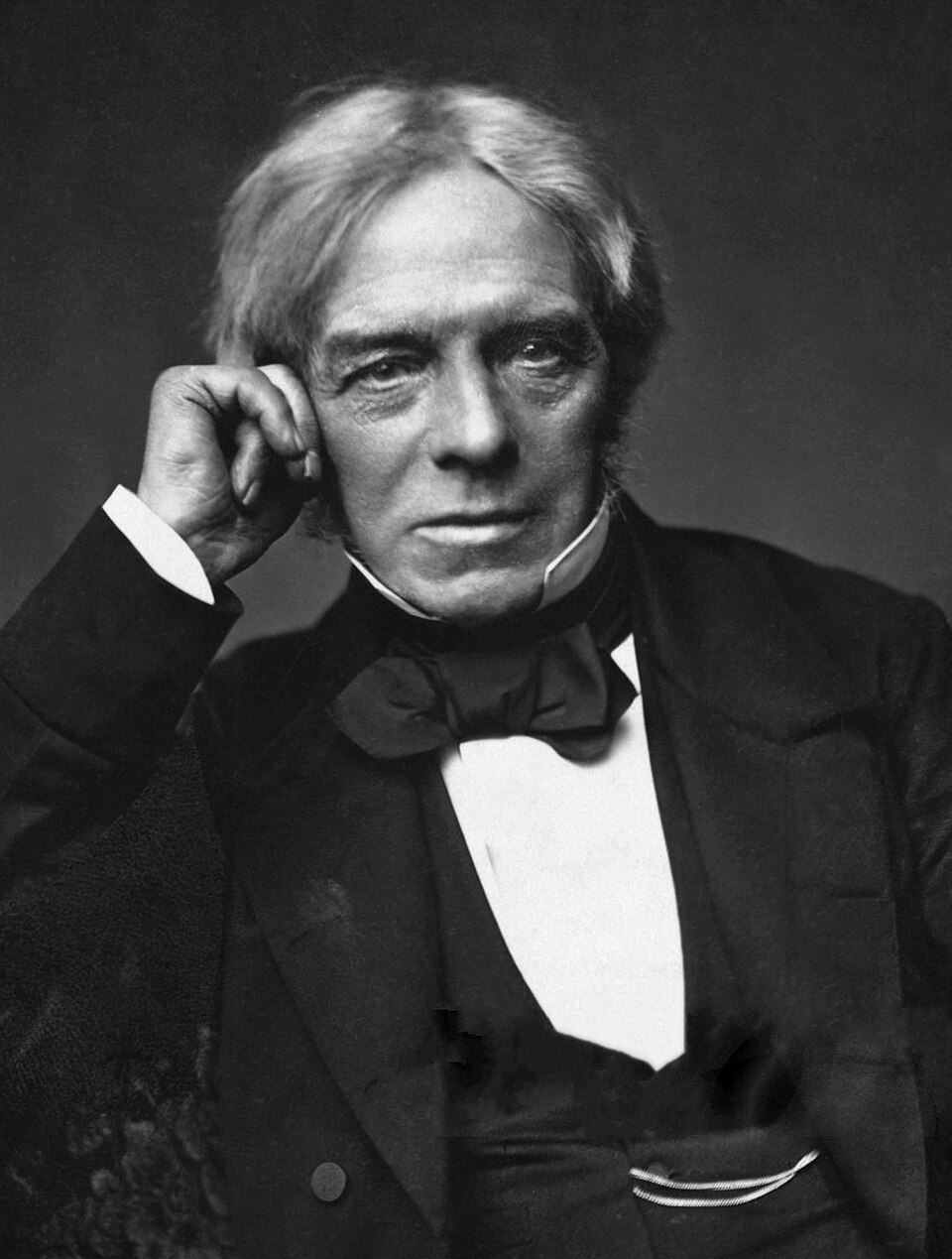
Here is the secret. When a magnet moves near a wire, electricity is pushed through that wire. Michael Faraday found this out in 1831, and built the very first generator.
- Moving magnet = electricity
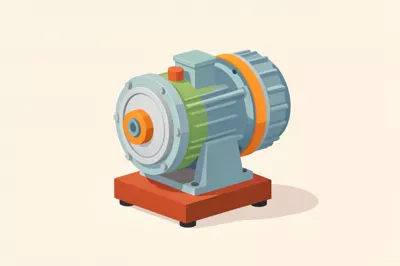
Now watch it spin. A turbine turns a shaft, and the shaft spins the magnet inside the coil.
Each time the magnet turns, the push on the electricity changes direction. That makes a wave, going up and down.
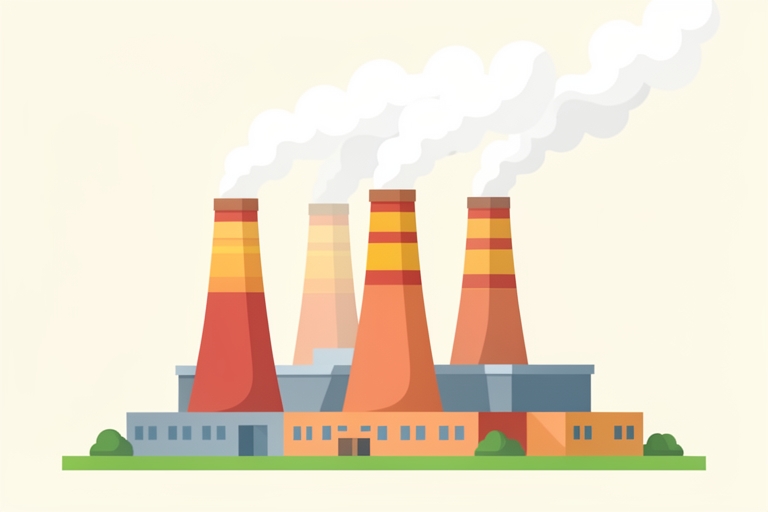
Plot it, and the current rises and falls smoothly, like a wave. We call this alternating current. Spin the magnet faster, or use a stronger magnet, and you get more electricity. Power stations use this same trick. Steam from burning fuel, or flowing water, spins giant generators.
- Faster spin = more power
- Stronger magnet = more power
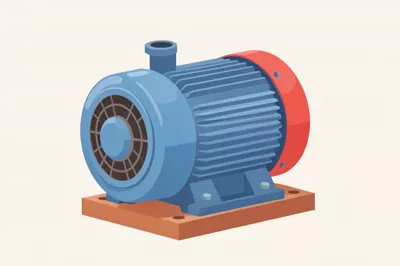
Fun fact: a motor is a generator running backwards. Spin a motor, and it makes electricity.
Quick check. What do you need to move to make electricity in a generator? To sum up: a generator spins a magnet inside a wire coil, turning movement into electricity.
Quick quiz
Q1. What makes a generator produce electricity?
A moving magnet near a wire coil pushes electricity through the wire.