How a fridge stays cold
Transcript
Your fridge doesn't make cold. It moves heat away!
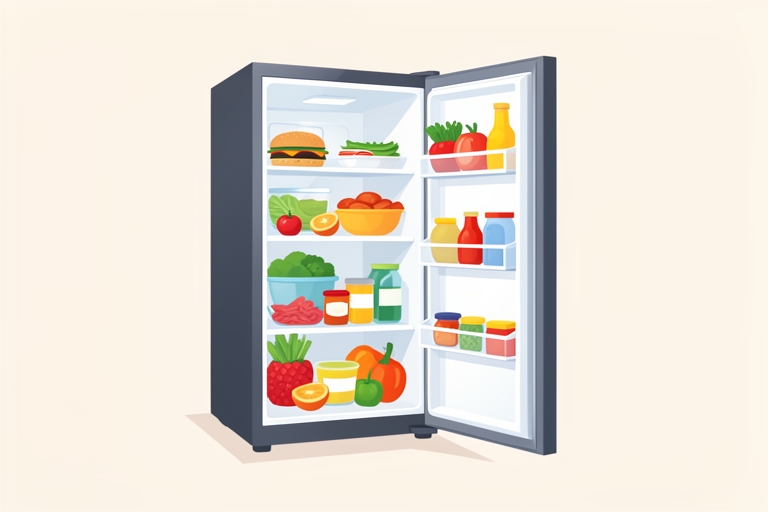
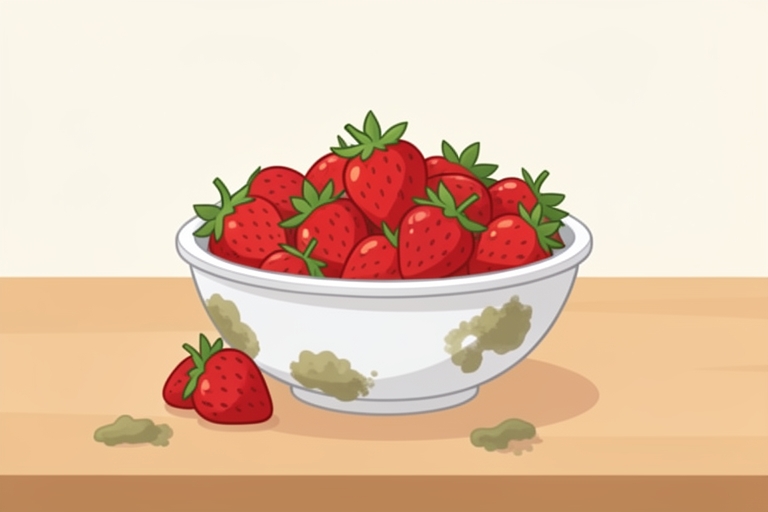
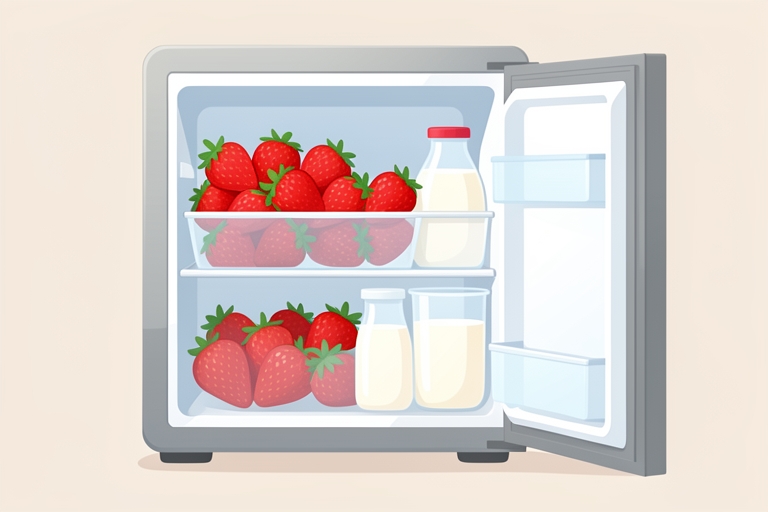
Warm food spoils fast because tiny bacteria love warmth, so keeping food cool keeps it fresh for longer.
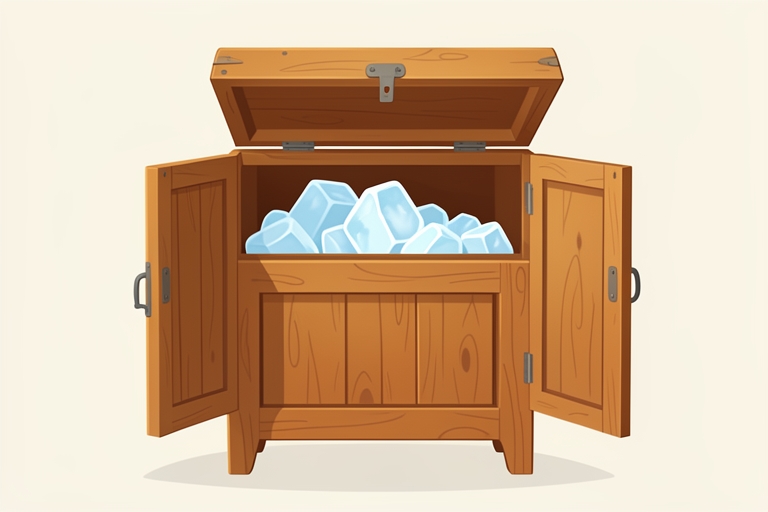
Long ago, people used an icebox, a wooden cupboard with a big block of ice inside.
A modern fridge has a thick insulated box, plus a heat pump that pushes heat from inside to outside. Think of a sponge soaking up water from a spill, then getting squeezed out over a sink.
- Inside a fridge
- Fridge = insulation + heat pump
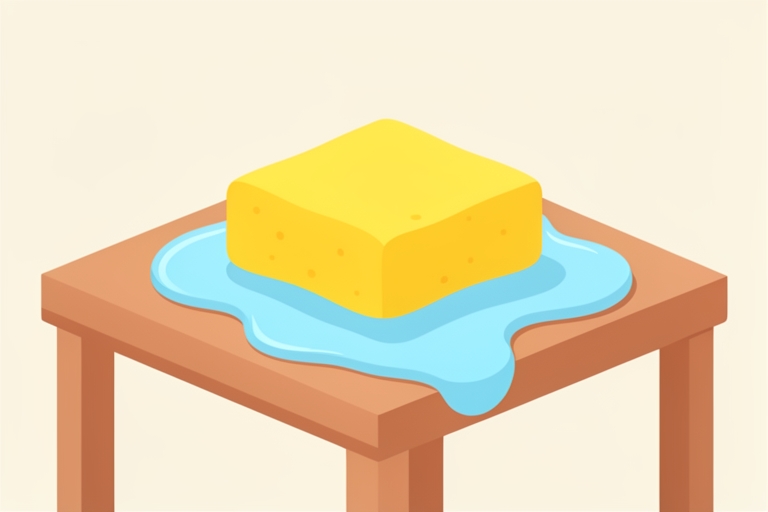
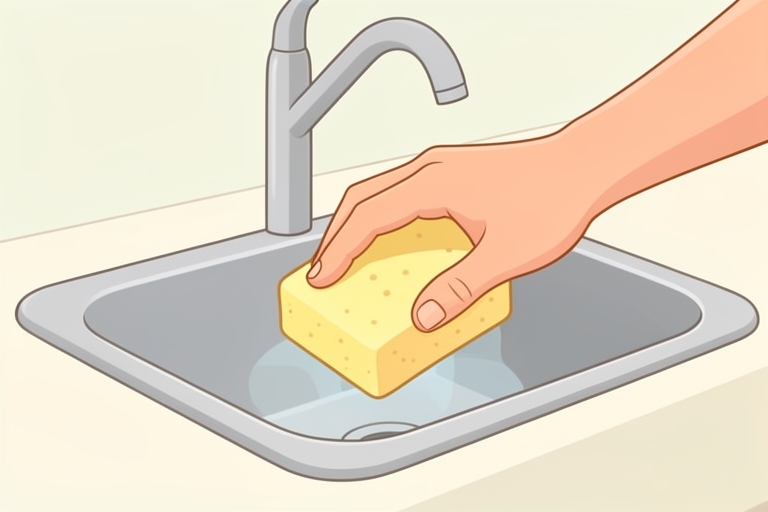
The fridge does the same with heat. It soaks heat up inside, then squeezes it out at the back.
A special liquid called refrigerant travels around a loop of pipes, and it does all the heat carrying.
First, cold liquid refrigerant flows through pipes inside the fridge and boils into gas, soaking up heat from your food. Next, the compressor squeezes that gas. Squeezing makes it much hotter than the room.
- Boiling soaks up heat
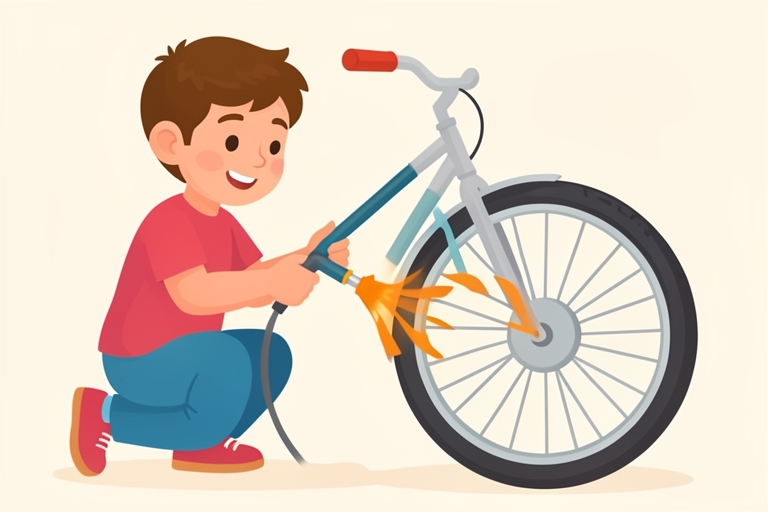
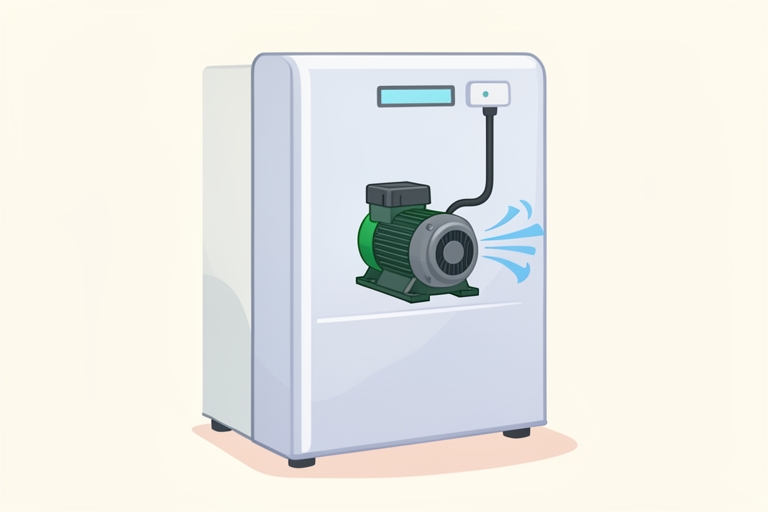
Then the hot gas runs through the black pipes at the back, loses its heat to the room, and turns back into liquid. Finally the liquid squeezes through a tiny valve, gets very cold, and the whole loop starts again. Look at how the temperature changes as the refrigerant goes round the loop.
- Coils at the back
- Back of fridge feels warm
Meanwhile the thick insulated walls and tight door seal stop warm room air sneaking back in. A fridge stays a few degrees above freezing, around four degrees Celsius, cold enough to slow bacteria. Quick check! What does the refrigerant do as it goes around the loop?
- Fridge: about 4 degrees C
- Freezer: minus 18 degrees C
So a fridge keeps food cold by moving heat out, using a loop of refrigerant and good insulation.
Quick quiz
Q1. What does a fridge's refrigerant do?
It soaks up heat inside and releases it at the back.