How does WiFi work?
Transcript
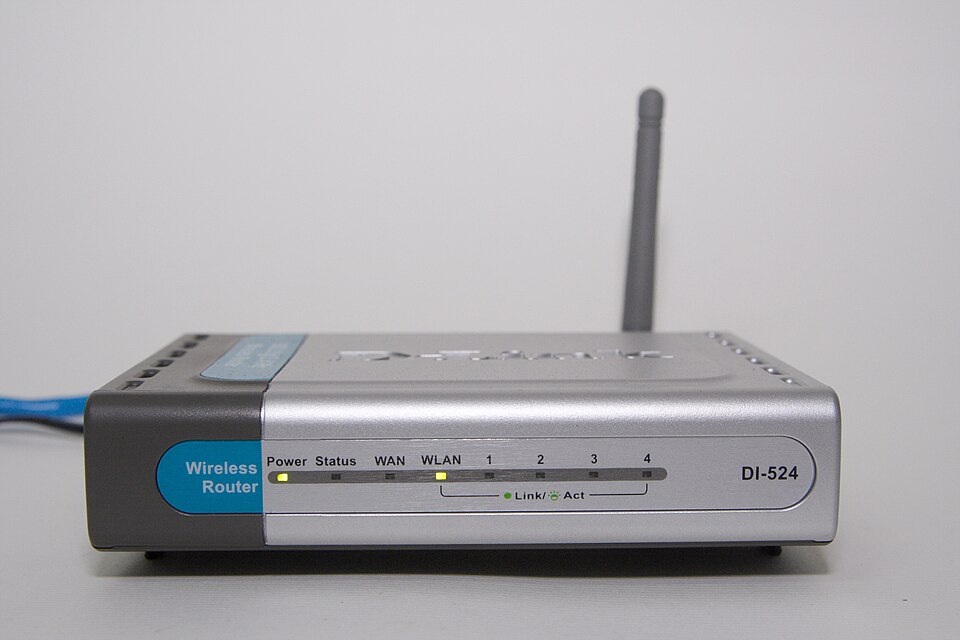
WiFi is just invisible radio waves carrying your data through the air. Your router sends and receives signals at very high frequencies, usually two point four or five gigahertz.
- WiFi = wireless data via radio waves
These frequencies are way higher than AM or FM radio, so they carry much more information. The router encodes your data, like a photo or message, into patterns in these radio waves. Your phone or laptop has an antenna that picks up these waves and decodes the data back.
- Data gets encoded into wave patterns

The range is usually about thirty to fifty meters, depending on walls and interference. Multiple devices can connect at once because they take turns sending data in tiny time slices. Walls, metal, and water absorb radio waves, which is why your signal gets weaker in other rooms.
- Devices share time slots to avoid collisions
WiFi is secure because routers encrypt the data, scrambling it so only your device can read it. WiFi is just radio waves carrying your data wirelessly, encoded and decoded by antennas.
- Encryption keeps your data private
- WiFi = radio waves + antennas + data encoding