How the Internet sends a message
Transcript
How does your message travel from your phone to a friend across the world?

Your message breaks into tiny chunks called packets, each with a destination address, like a postcard with a stamp.


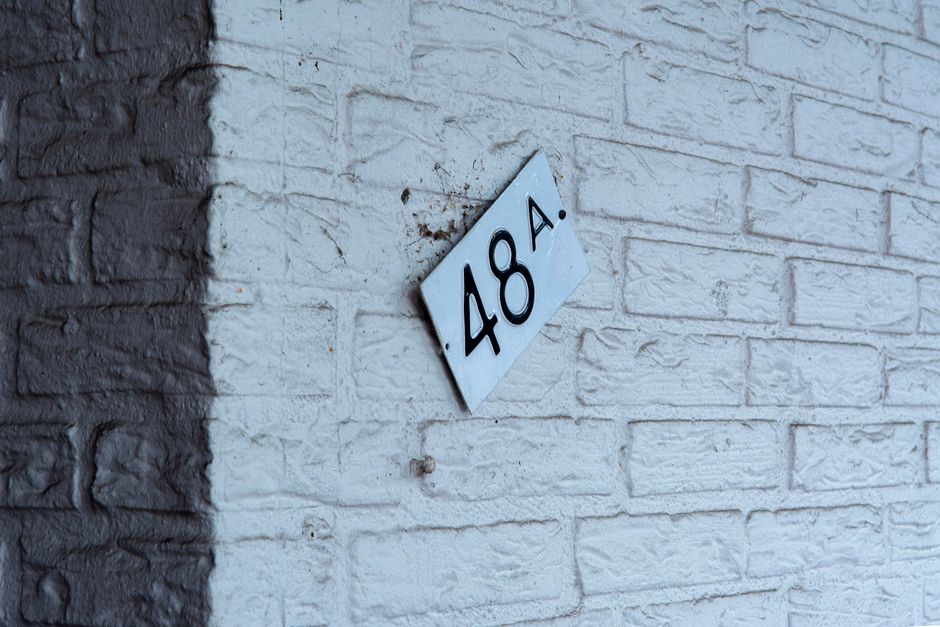
Every device on the internet has a unique address called an IP address, like your home address.
- IP = Internet Protocol address
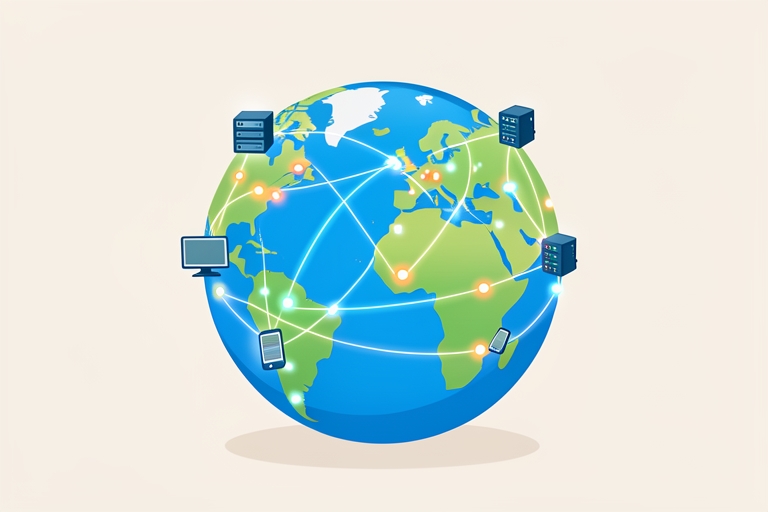
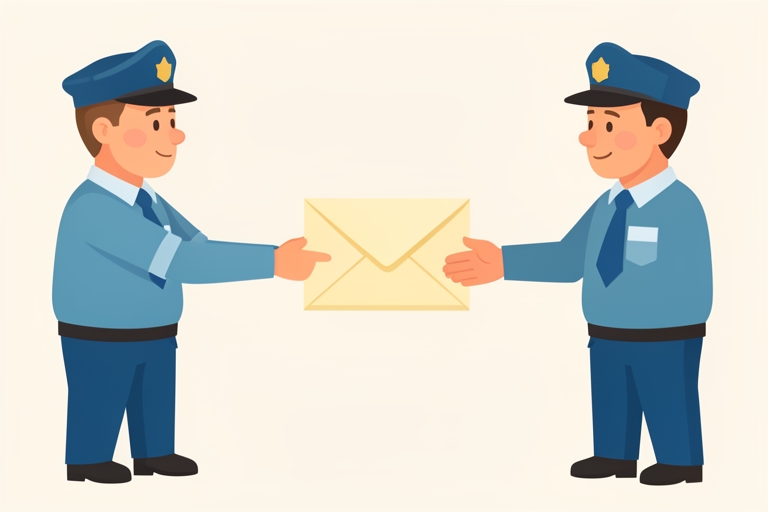
Your packet travels through routers, which are like post offices that read the address and send it the right way.
Each router checks the packet's destination IP and forwards it closer to the target, like passing a letter hand to hand.

The packets might take different paths and arrive out of order, but they all have a number so the friend's device can reassemble them. This system is called TCP, or Transmission Control Protocol, and it guarantees your message arrives complete and correct. But routers also send error messages if something goes wrong, using a protocol called ICMP.
- TCP = Transmission Control Protocol
- Checks packets are complete
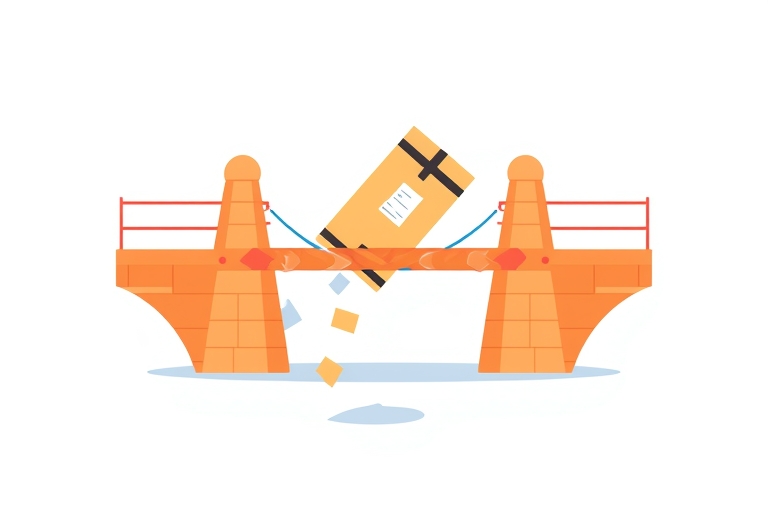
For example, if a router cannot reach the destination, ICMP sends back a message saying the host is unreachable.

A tool called ping uses ICMP to test if a device is online by sending a packet and waiting for a reply.
- Ping = test connection
Let's trace a real example: you send a message to a friend in another country. Your phone breaks it into packets, adds your IP and their IP, and sends them to your router. The routers across the internet forward your packets through the fastest available paths.
- Example: message to friend abroad
Your friend's device receives all the packets, checks they are complete using TCP, and reassembles your message.



Quiz: if a packet gets lost on the internet, what happens? The internet sends messages by breaking them into packets, routing them through routers, and reassembling them at the destination.
Quick quiz
Q1. If a packet gets lost, what happens?
TCP checks every packet arrived; if one is missing, it requests a resend.