Why volcanoes erupt
Transcript
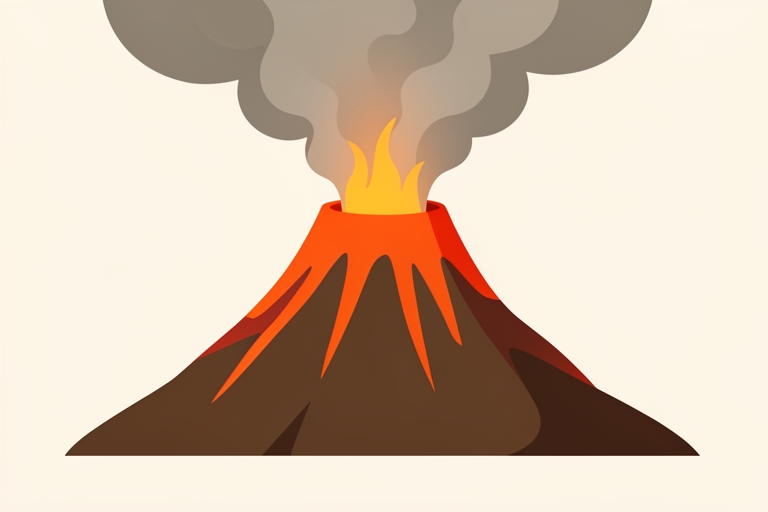
Why do volcanoes erupt? It's pressure, not just heat.
Deep inside Earth, the mantle is hot rock that flows slowly. Where it rises, pressure drops and rock melts into magma.
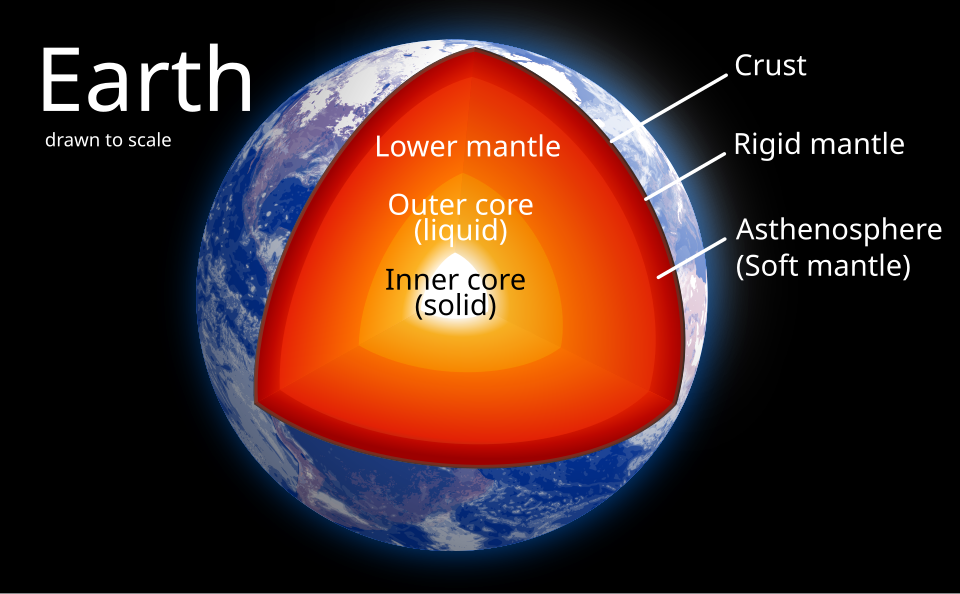
Magma is less dense than solid rock, so it floats upward through cracks in the crust, collecting in a chamber beneath the surface.
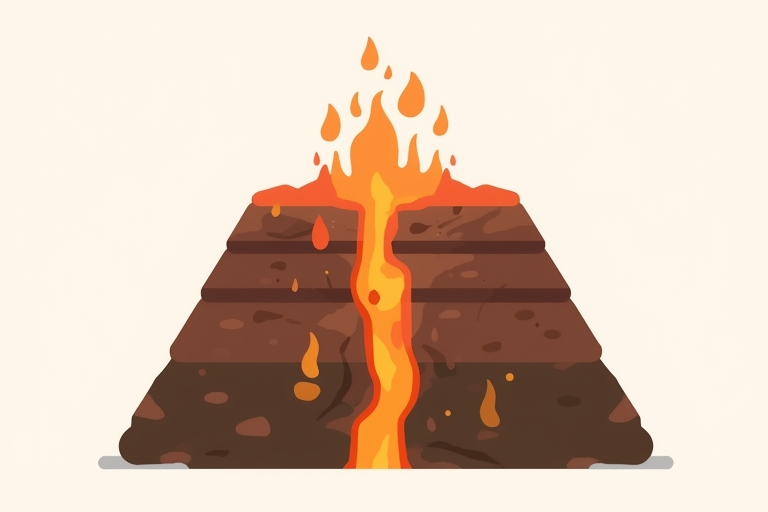
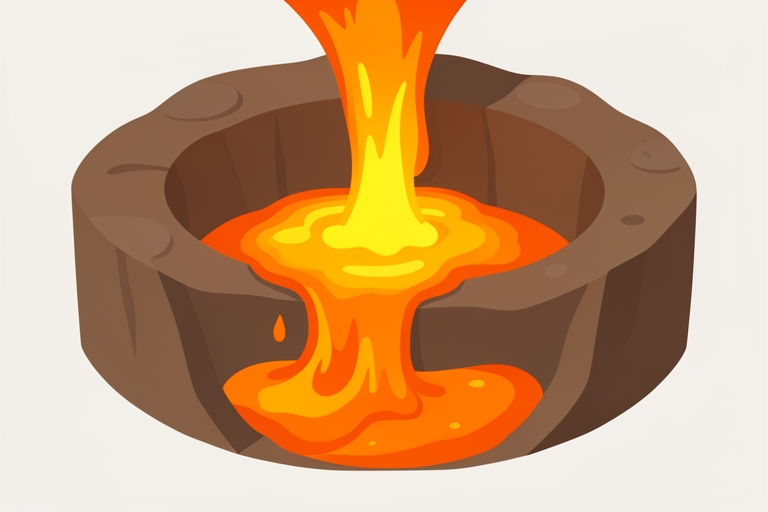
As magma fills the chamber, pressure increases. The weight of overlying rock plus the buoyancy of hot magma pushes outward on all walls. The crust above is not infinitely strong. Rock has a tensile strength—a maximum stress it can bear before it fractures. When magma pressure exceeds the tensile strength of the rock above, the crust cracks. Magma forces its way through the fracture to the surface.
- Tensile strength: ~10–100 megapascals for crustal rock
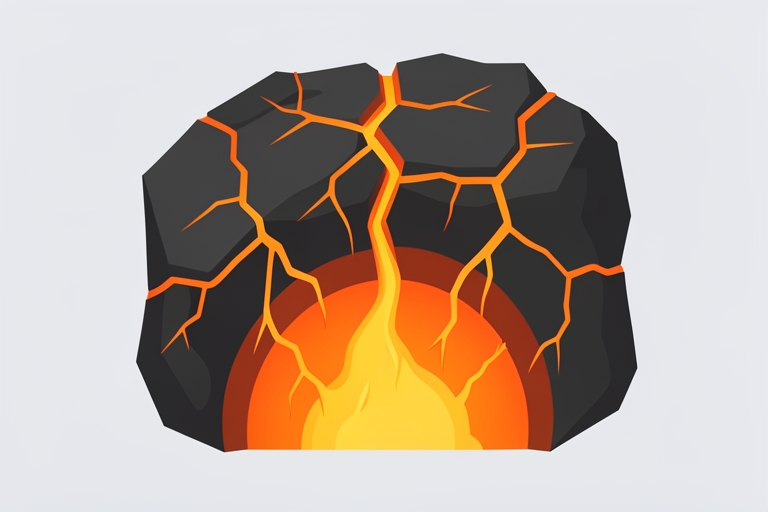
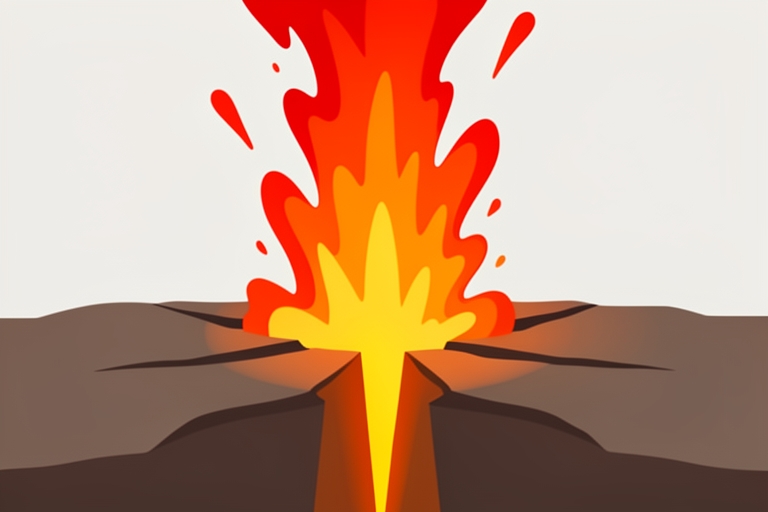
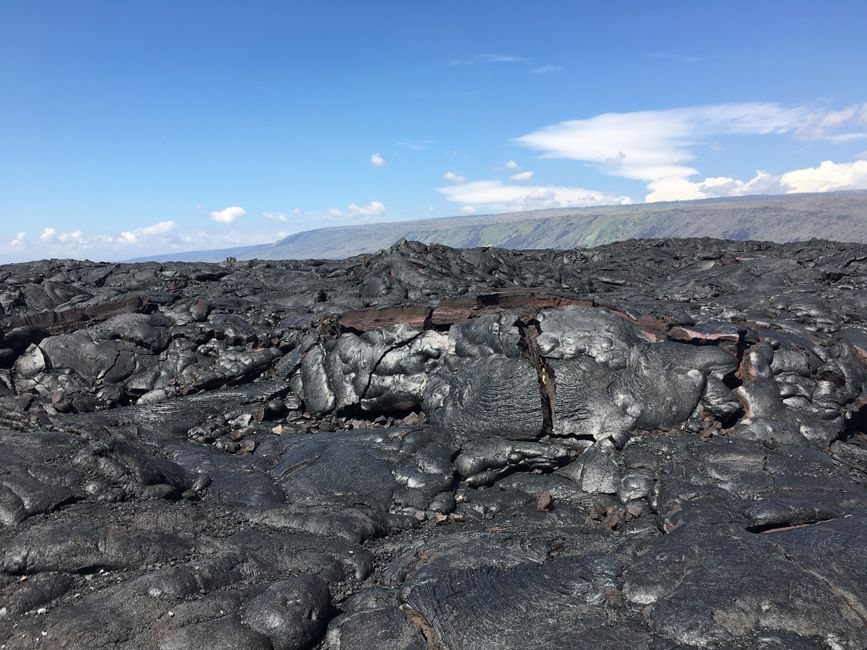
But eruption style depends on magma composition. Low-silica magma, like basalt, is runny and lets gas escape easily—gentle lava flows.
High-silica magma, like rhyolite, is thick and sticky. Gas cannot escape; pressure builds until the crust ruptures violently.
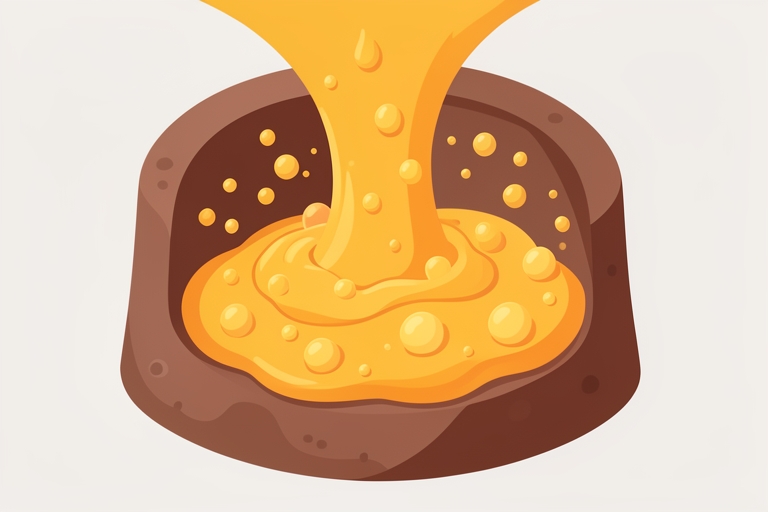
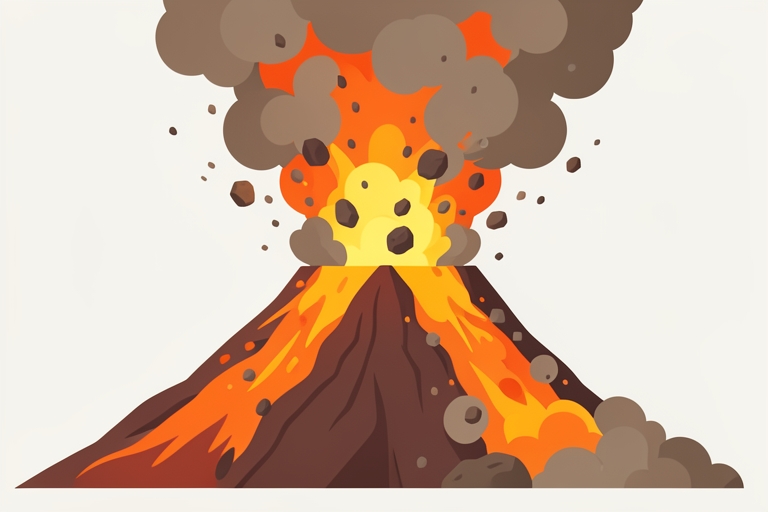
Dissolved water and carbon dioxide are the main gases. As pressure drops during ascent, gases come out of solution—like opening a shaken soda bottle.
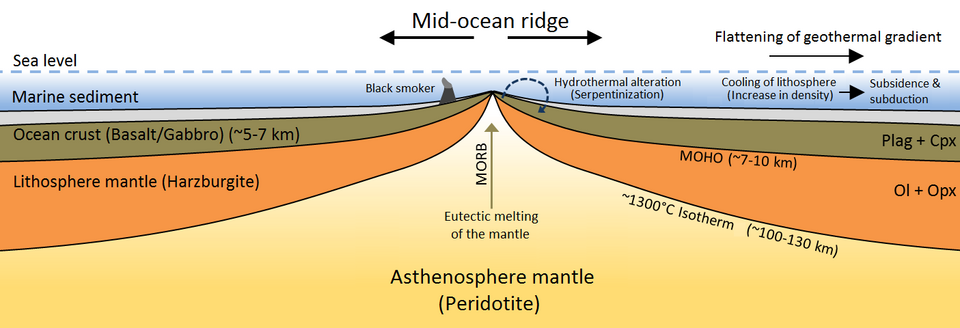
A common misconception: 'Volcanoes erupt because magma is hot.' Wrong. Magma is hot everywhere in the mantle, but it only erupts where pressure forces it to the surface. Plate tectonics explains where eruptions happen. At divergent boundaries, plates pull apart, pressure drops, mantle rock melts—non-explosive.
- Heat alone does not cause eruption; pressure does.
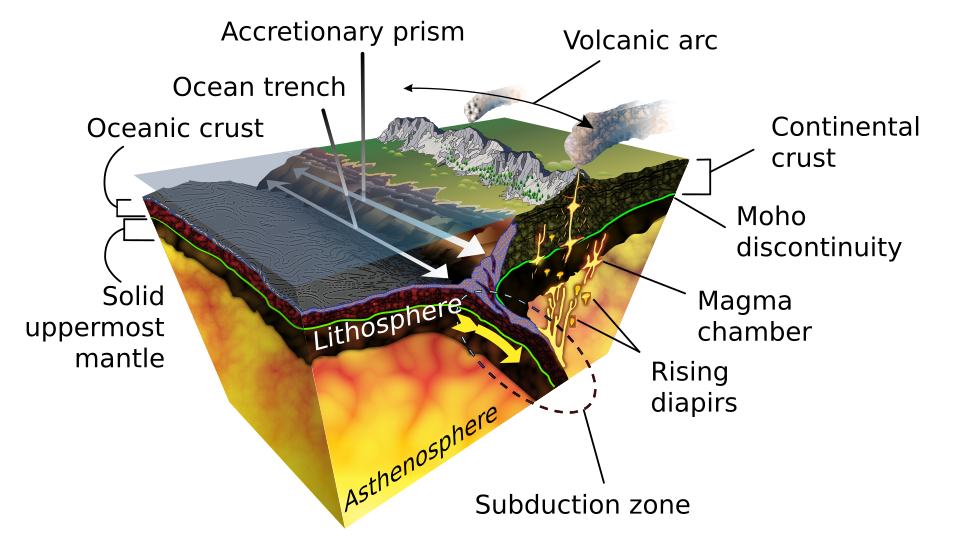
At convergent boundaries, one plate slides under another. The descending slab heats up, releases water, and lowers the melting point of rock above—violent eruptions.
Hotspot volcanism, like Hawaii, occurs where a mantle plume—a column of hot rock rising from 3,000 kilometres deep—punches through the plate.
Quiz: If a magma chamber fills with high-silica magma but the overlying rock is very thick and strong, what happens? Volcanoes erupt when magma pressure overcomes crustal strength, and eruption style depends on magma viscosity and dissolved gas content.
- Eruption = pressure > tensile strength + gas exsolution
Quick quiz
Q1. If magma pressure cannot exceed rock tensile strength, what happens?
Pressure must exceed tensile strength to fracture rock; until then, magma is confined.